





































Muitas pessoas que vivem entre dois ou mais países têm dúvidas sobre quando, ou em que ponto, precisam começar a pagar Imposto de Renda na Itália. Afinal, quais são as regras que determinam essa obrigação fiscal?
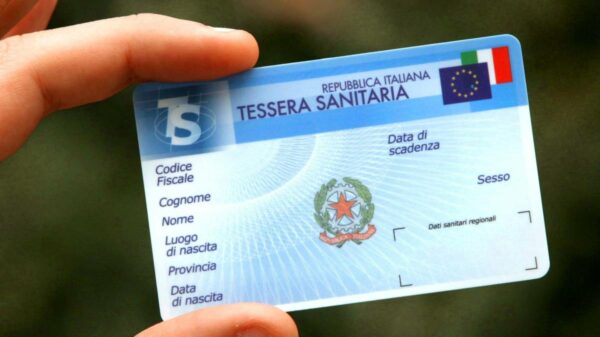
PERGUNTA DO LEITOR: Tenho cidadania italiana e alugamos um apartamento na Itália. Como pagamos impostos no Brasil, não temos certeza se podemos solicitar uma carteira de motorista ou cartão de saúde italiano, ou se podemos pedir autorizações de residência. Minha pergunta é: o que levaria a necessidade de apresentar uma declaração de imposto na Itália?

Como explica a agência tributária italiana, conhecida como Agenzia delle Entrate, a obrigação de pagar Imposto de Renda na Itália é acionada quando você se torna um “residente fiscal” no país.
O site da agência de receita afirma que você é considerado residente fiscal na Itália se, por pelo menos 183 dias por ano, você:
- Estiver registrado no escritório de registro nacional da população da Itália (conhecido como Ufficio Anagrafe);
- Tiver o seu “local de residência ou residência habitual” na Itália.
Basicamente, passar mais de seis meses por ano na Itália significa que as autoridades fiscais italianas podem considerar a Itália como o seu local de residência principal.
Se você optou por se mudar oficialmente para a Itália, atendeu a quaisquer requisitos de visto e está agora registrado com êxito como residente em seu município local, então é bastante simples: você precisará estar preparado para pagar impostos na Itália sobre todos os rendimentos auferidos em qualquer parte do mundo.
A exigência fiscal provavelmente não se aplicará se você passar menos da metade do seu tempo em uma segunda residência na Itália. Isso deve ser o caso se você for um nacional não pertencente à UE sujeito à regra de 90 dias ao visitar a Itália e outros países europeus.
Mas se você mora na Itália na maior parte do tempo, ou se a Itália é onde você tem a maioria dos seus negócios ou outros interesses, também pode ser considerado residente fiscal italiano, mesmo que não esteja legalmente registrado como residente no Ufficio Anagrafe.
E, mesmo que você não seja considerado residente fiscal italiano, esteja ciente de que ainda pode ter que pagar impostos italianos sobre quaisquer rendimentos gerados na Itália.
Aqueles que compram uma propriedade na Itália também são responsáveis por certos impostos locais, independentemente do seu status de residência.
É importante observar que muitos países, incluindo o Brasil, têm tratados de dupla tributação com a Itália que estabelecem as regras sobre qual país deve cobrar certos impostos. Esses tratados são destinados a evitar que você seja tributado duas vezes sobre a mesma renda.
Tornar-se um residente fiscal
As obrigações fiscais serão uma das considerações mais importantes para quem decide se vai ou não adquirir a residência italiana.
A principal coisa que você precisa estar ciente é que, ao se tornar oficialmente residente, você precisará apresentar declarações de impostos anuais às autoridades italianas, mesmo que toda a sua renda venha do seu país de origem ou de outros lugares.
Após se tornar um contribuinte na Itália, você terá o direito de se registrar no sistema de saúde italiano. No entanto, dependendo das suas circunstâncias, isso pode não ser gratuito.
Para obter mais detalhes sobre como as regras fiscais italianas podem se aplicar às suas circunstâncias, busque orientação independente de um profissional de impostos qualificado.
Você também pode encontrar mais informações sobre os impostos de renda da Itália no site Agenzia delle Entrate (em italiano, inglês e alemão): www.agenziaentrate.gov.it
A mordida do Leão na Itália: Entendendo a carga tributária progressiva
A Itália, renomada por sua rica herança cultural e paisagens deslumbrantes, é um destino de sonho para expatriados em todo o mundo. No entanto, quando se trata de impostos, o país é frequentemente apelidado de “Leão” devido à sua alta carga tributária, uma das mais elevadas do mundo.
Grande parte da receita do governo italiano provém dos impostos sobre a renda das pessoas, e o sistema fiscal do país é projetado com progressividade, o que significa que as taxas de imposto aumentam à medida que a renda do contribuinte cresce.
Faixas de Imposto de Renda na Itália:
1º Escalão de Rendimentos (0-15.000 euros): Nesta faixa, a taxa de Imposto de Renda sobre Pessoas Físicas (IRPEF) é de 23%. Isso significa que, por exemplo, para um rendimento anual de 15.000 euros, um contribuinte estaria sujeito a um imposto de 3.450 euros, resultando em uma renda líquida de 11.550 euros. Traduzindo em valores mensais, se alguém ganhasse 1.250 euros por mês, a renda líquida seria de 962,50 euros.
2º Escalão de Rendimentos (15.001-28.000 euros): Na segunda faixa de rendimentos, com rendimentos entre 15.001 e 28.000 euros, a taxa de IRPEF é de 25%. Para ilustrar, um rendimento mensal de 2.333 euros resultaria em uma renda líquida de 1.749,75 euros.
3º Escalão de Rendimentos (28.001-50.000 euros): Para rendimentos entre 28.001 e 50.000 euros, a taxa de IRPEF sobe para 35%. Por exemplo, alguém ganhando 4.166 euros por mês ficaria com 2.707,90 euros após os impostos.
4º Escalão de Rendimentos (acima de 50.000 euros): A faixa mais alta de rendimentos, com ganhos superiores a 50.000 euros, é tributada a uma taxa de IRPEF de 43%. Se alguém estiver nesta faixa e ganhar, por exemplo, 5.000 euros por mês, teria uma renda líquida de 2.850 euros após o pagamento dos impostos. (Foto: Depositphotos)