




















Italian parliamentarians will begin voting to elect the country's new president on January 24, with the Prime Minister Mario Draghi being one of the main candidates, in a process that can last several days and provoke political turmoil.
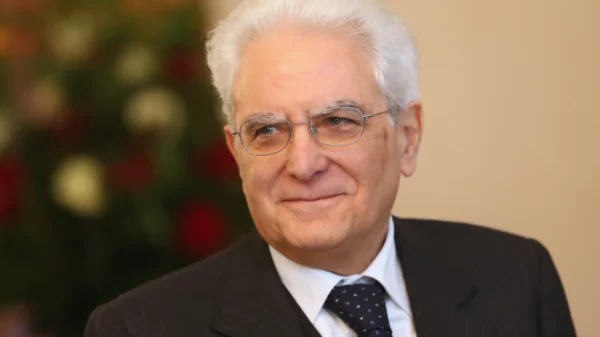
The date of the first secret vote to choose the president's successor Sergio Mattarella was announced this Tuesday by the president of the Chamber of Deputies, Roberto Fico.
More than a thousand Members, senators and representatives of the 20 Italian regions They will vote in Parliament in Rome, in a process that has been compared to the election of a new Pope.
Draghi, 74, is regularly named as one of the main possibilities to succeed Mattarella, whose seven-year term ends at the beginning of next month.
The change from the current premier to the Quirinale Palace, as the presidential palace is known, would shorten the government's term and could trigger an early general election, in which recent polls show a center-right coalition likely to win.
Markets are watching events uneasily as the former European Central Bank president is leading Italy's economic revival and is seen as the guarantor of more than €200 billion (R$1,28 trillion) from the European Union's recovery fund (UE) that the country will receive in the coming years.
An eventual government headed by the leader of the radical right-wing League, Matteo Salvini, would destabilize markets due to its previous clashes with the EU.
Last month, Draghi left the door open to becoming president, telling reporters he was “a man, if you like, a grandfather at the service of institutions.”
He also sought to dispel concerns that his election to the presidency would lead to early elections, saying stability could continue regardless of who leads a future government, as long as they are supported by the current large majority. According to the normal cycle, the general election in the country would take place in 2023.
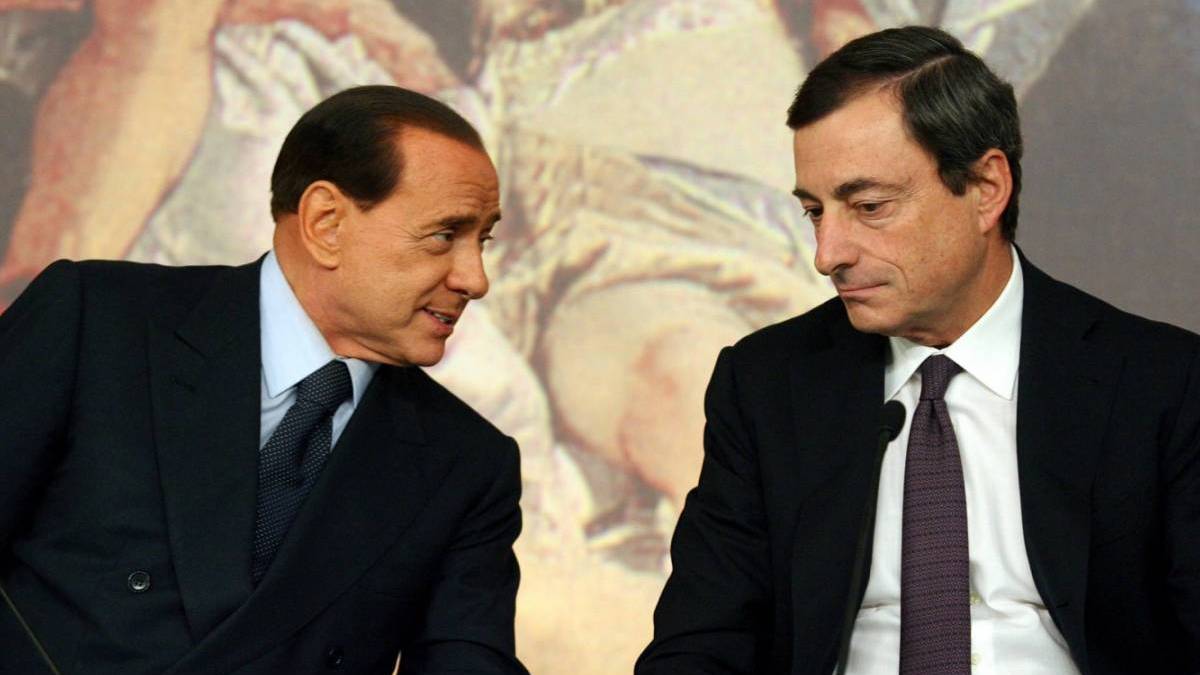
Although so far there are no official candidates for the presidential election, former prime ministers Julian Amato, Silvio Berlusconi e Paolo Gentiloni, the Minister of Justice Martha Cartabia and the former president of the Chamber of Deputies Pier Ferdinando Casini are among the names that frequently appear as possible candidates.
Although the head of state's powers are mainly ceremonial, they become crucial during Italy's frequent government crises.
The president is a stabilizing force, appointing prime ministers and ministers chosen by the premier, as well as having the final say on the dissolution of Parliament. The president can also reject laws and decrees on constitutional grounds.
FOLLOW ITALIANISM