
























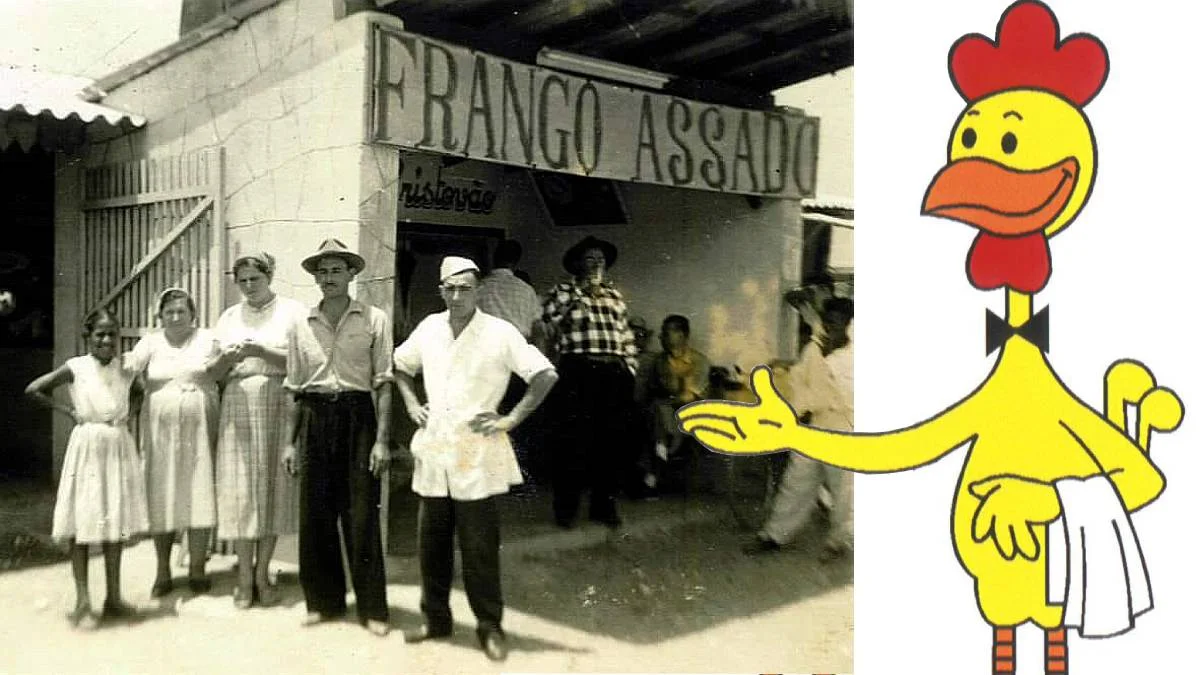
A Roast Chicken, a chain of roadside restaurants, emerged in 1952, with an elevation difference of fruit stand of the couple Rosa and José Mamprin, son of Italian immigrants.
Just like so many Italian immigrants did between late 19th century and early 20th century, Mamprin family came to Brazil from Veneto, with the aim of working and succeeding in his New Earth.
Many of those families saved as much as possible in order to send the surplus of their salary gains to Italy or even acquire properties here in Brazil, as soon as the first difficulties were overcome.
With the encouragement of migratory movement promoted at the time by government of São Paulo, the Mamprin arrived in the region of Louve tree, about 70 kilometers from the capital and 30 kilometers from Campinas.
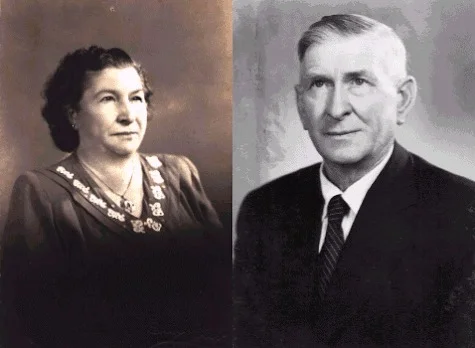
It was there that José Mamprin, from second generation Italian immigrant family, married to Rosa Giardelli Mamprin, and father of three young children, bought a place. After working as a settler, then a potter and chicken seller, finally Mamprin started to produce fruit on your own property.
José Mamprin acquires more land
In 1947, with the prospect of marriage for his children and increasing family, José Mamprin acquired another site in the neighborhood of Chapel, in the current city of Vineyard. Divided the property into four parts and gave them to his children
O Mamprin couple He started living on the original farm, which was managed by his eldest son, Guilherme, and his wife Ana Thomé. The administration of new property de Vinhedo stayed with her daughter Luiza and her husband Francisco Rovere. To make the productive area, the couple planted it across its entire length.
Arnaldo, the third son, single, moved between the two properties, without a defined occupation in the division of labor familiar. Constantina, the youngest, was married to Antonio Trivellato, with whom she ran a small restaurant at Louveira train station, known as Station Bar.
Rancho São Cristóvão appears
A Anhanguera highway arrived in Campinas in 1950. At the same time, Guilherme Mamprin suggested to his father that they explore a sales point in the fruit surplus produced on family farms in new highway.
In 1952 the Department of Highways (DER) accepted the request and offered a concession for the business exploration, at kilometer 73, towards interior – capital, near the city of Louve tree.
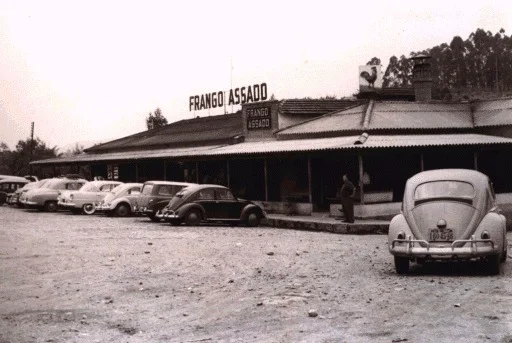
Em November 15th, 1952 then inaugurated the Rancho São Cristóvão, a name that honored the patron saint of drivers. In addition to fruits, the place offered sausage sandwiches, ham quality beef, in addition to the so-called coscorões (cracklings) and various types of drinks, such as soft drinks e beers.
At that time, traffic on the highway increased little by little, mainly due to the transport of agricultural products to the capital of São Paulo and industrialized products for the interior and other states. Many drivers wanted to have lunch and not just eat a snack.
Roast Chicken came naturally

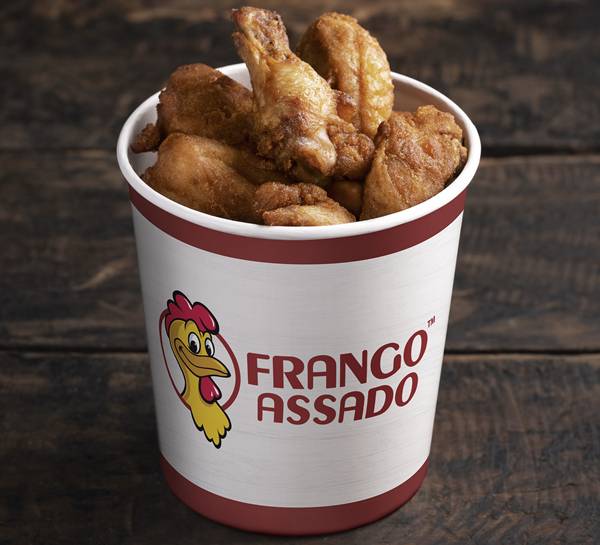
With that in mind, Rosa began preparing the most popular dishes of the region, such as pork ribs with potatoes. However, what really started to be successful was the Roast Chicken that Rosa was preparing for the husband and grandchildren lunch. The smell began to reach customers, who not only began to demand the dish as identify the location to name of the tasty recipe.
It was thus that, in 1955, José had no doubts and, taking advantage of the fame of the chicken prepared by Rosa, incorporated the novelty into the menu and renamed the tent with the name of Roast Chicken.
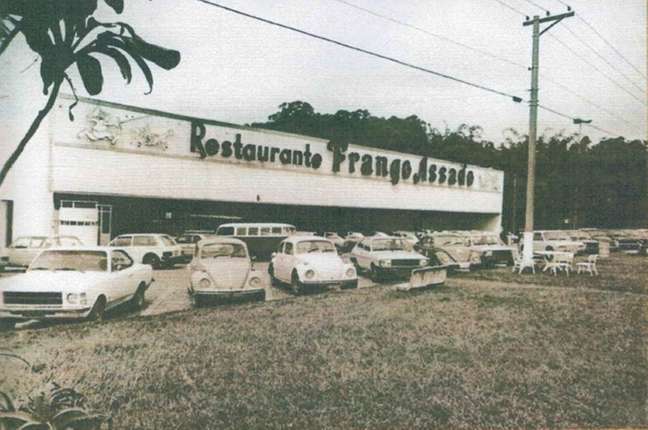
The following year, with the duplication of the highway, the area where the shed was located was expropriated. Thus, the Mamprin family took advantage of the opportunity and built a restaurant at kilometer 72, on the same road, now emphasizing the meals.
Restaurant full of innovations
The building was modest, rectangular in shape, wooden furniture. In the kitchen, smells and flavors of old and new pans were mixed on a large wood stove. The chain was a pioneer in customer service, as in 1958 it dressed its waiters and waitresses in uniform, innovation in roadside restaurants.
In the 1960s, the Mamprin family establishment sold so much roast chicken that some poultry farms began to establish themselves in the region, just to enjoy the wave and turn around restaurant suppliers.
Such success was explained by other factors, such as service efficiency and a kitchen that mixed quick dishes with a homemade touch. O breaded chicken skewer, semolina bread and the tapioca cookies quickly became some of his trademarks.
Despite its success, all the profits from Frango Assado went to another venture, the Fonte Santa Teresa RestaurantOn Valinhos. However, in the late 1960s, the restaurant began to be managed by third generation of the family, Valmik Mamprin, Antonio Rovere e Cesar Trivellato.
Third generation expands Roast Chicken
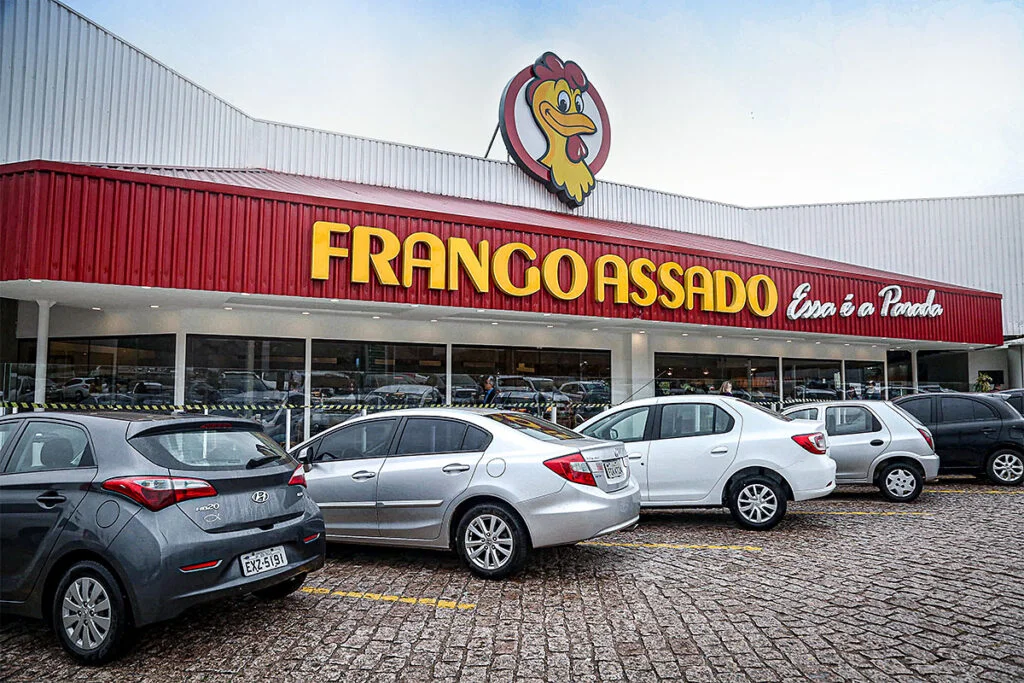
With new blood at the head of the business, the establishment was completely transformed, undergoing renovation that lasted three years. The funds won large dining room, the kitchen and bakery came to the center, allowing customers observe employees work. The front of the restaurant was reserved for quick service counters and minimarket shelves.
With the construction of Bandeirantes Highway, a new route to the interior of the state, the family was worried about a possible drop in movement and didn't stop. Ended up opening branches on other highways of intense movement in São Paulo: Rodovia dos Immigrantes (Diadema unit), in 1976, and Via Dutra (Jacareí unit), in 1977.
Roasted Chicken now offers varied dishes with options of salads, pastas, grilled meats, assadas, drinks e Desktop. All with the support of trained waiters and supervision of a maitre d'hotel, ensuring customer comfort and satisfaction.
Innovations in all areas
Os counters became very fast consumption places de good quality productsas the assorted sandwiches, baked and fried savory, drinks, fruits, candy e ice creams. the bakery began to make available a wide variety of breads, homemade sweets e threads, as well as the mini market began selling items such as toys, magazines e até pharmacy products.
Furthermore, we service stations became available in full vehicle assistance also, like all types of fuels, tire repair services e purchase and exchange of accessories. The Sanitary were equipped with baby changing facilities e access for people with special needs.
The net Roast Chicken implemented another innovation, brought by Walmik Mamprin, son of Guilherme Mamprin, after getting to know the system on a trip to Italy, where there were many roadside restaurants: individual form for consumers. In addition to more effective control of payments, the novelty resulted in significant increase in spending per customer.
Frango Assado chain is sold
In 1985 the chain opened another branch, in the city of Sumaré, on Via Anhanguera. During the decade 1990, new network units were opened in strategic locations, such as Cubatao, Itu, Caieiras e Cajamar.
With a Faithful clientele who stopped by their stores to supply, use your bathrooms e eat your snacks with a homemade flavor and appearance, the chain Roast Chicken ended up being acquired in 2008 by R $ million 170 from BMI (International Meal Company), a leading company in casual dining restaurants e fast food da Latin America.
A restaurant chain started in 1952 on that land acquired by Italian immigrant family on the margins of Via Anhanguera today has more than 36 storesNear 4 thousand employees and estimated revenue of R $ million 400. In total, there are more than 13 million customers served annually in all chain stores.
This is one more history of Italian immigrants who arrived in Brazil without much money in their pockets and built true empires from simple ideas, family collaboration e a lot of work.
By Roberto Schiavon/Italianism
FOLLOW-US