





























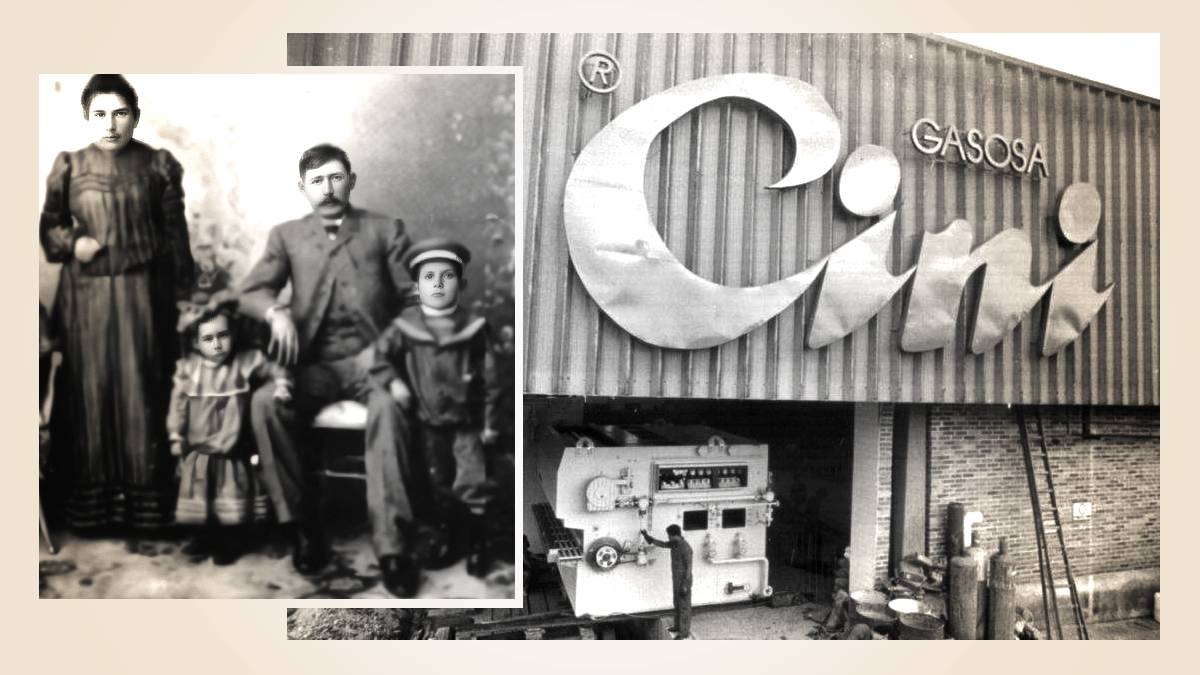
the italian Egízio Cini migrated to Brazil in 1890. Here he founded a libertarian newspaper, opened a brewery and sowed the seed of Cini soft drinks.
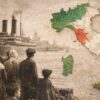
This adventure began when Egízio decided to leave the region of Veneto, the Italy, where he was born, to come to Brazil, just as thousands of Italian immigrants at the same time, in search of better work conditions.

Arriving in Brazil, he went to live in Colonia Cecilia, famous anarchist experiment installed in Palmeira, region of General Fieldsin the state of Paraná.
In the colony, Egízio Cini married Aldina Benedetti, from a pioneer family. He and Aldina built a cornmeal mill and had children. The firstborn was Hugo Cini, born October 1, 1891.
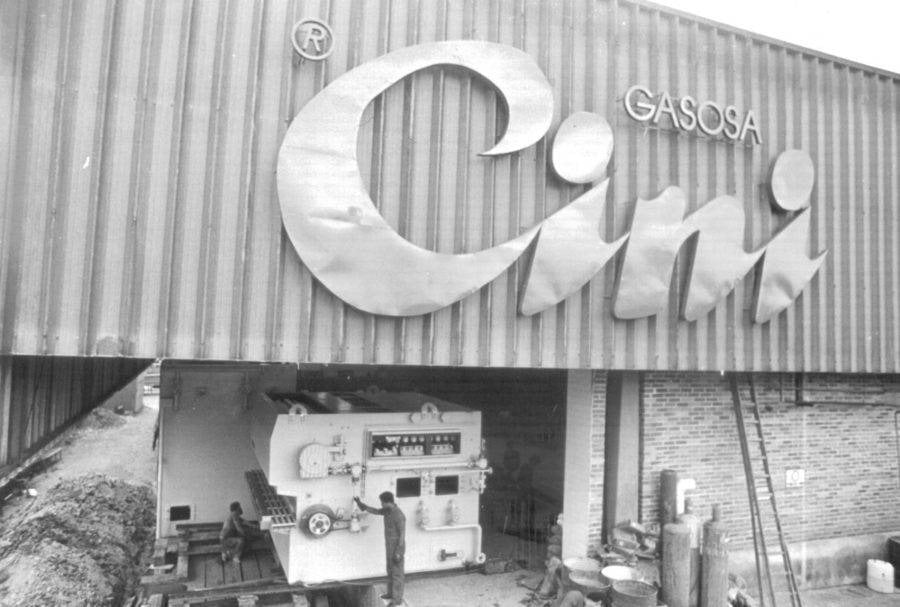
Recipe that would become a symbol of a region
It was also in Colônia Cecília that the recipe for the famous ginger, produced at home by Egízio Cini and his family, to be drunk on weekends.
The drink was a mixture of water, sugar and ginger. Despite its name, a combination of ginger and birra (beer in Italian), it was not alcoholic, but it got its name because it was fermented.
Egízio Cini was considered an intellectual, who defended his ideals, through a newspaper founded in 1899, in Curitiba, which was directed by him, the II Libertarian Right.
The newspaper was biased towards anarchist outreach and even printed the subtitle Communist periodical – anarchic. With Proclamation of the Republic, the colonial debt came and Colônia Cecília fell into decay.
Change and society in a brewery
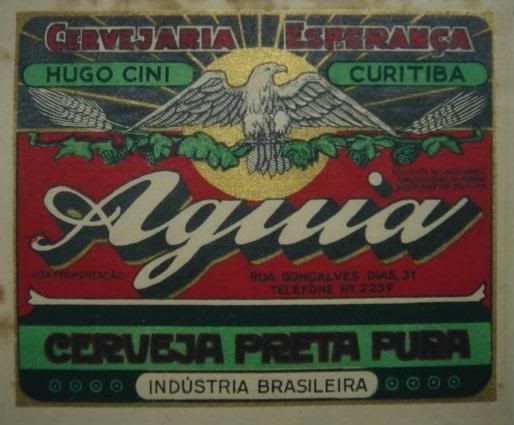
In 1904, Egízio Cini and his family went to live in Sao Jose Dos Pinhais, metropolitan region of Curitiba. There he decided to found, in the same year, the Esperança Brewery, in partnership with Carlos Chelli.
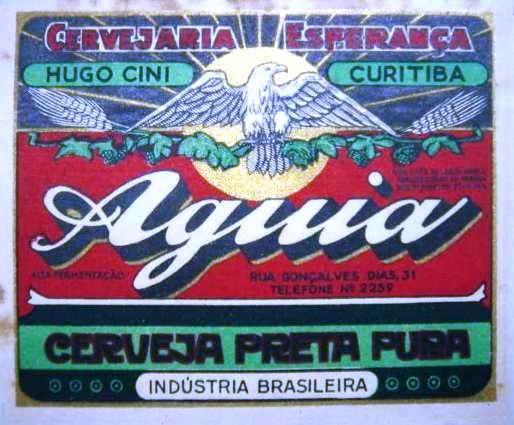
It was a small company liquor, like Fernet, and two beers – one light and one dark, called Eagle. Águia beer was artisanal, and the manufacturing process included fermentation in the bottle itself.

In the 1920s, Egízio Cini died. Thus, his wife Aldina and son Hugo, who bought Carlos Chelli's share, took over the business. The company was renamed Hugo Cini and Co.. And it was the first-born Hugo who took the formula for ginger soda to the factory.
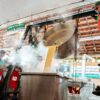
At the time, the company had a pedal-powered manual machine, a tank for washing bottles and oak barrels for beer. Fermentation took 25 to 30 days and the raw material came from Czechoslovakia, in boxes sealed with zinc.
State capital and specialization in soft drinks
The factory was in São José dos Pinhais and a deposit was built in Curitiba. On March 4, 1928, the warehouse in Curitiba was transformed into a factory, with its facilities significantly expanded.
In 1945, the company was transformed into Hugo Cini e Filhos Ltda., with the participation of Hugo Cini's wife, Amelia Gobbo Cini, and his children Carlos Egízio, Carolina Isolina, Aldina, Orlando, Espérdie, Nilo and Ginete.
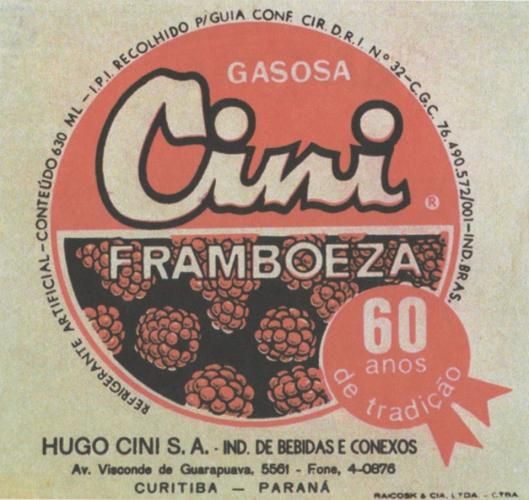
Sales were made in carts loaded with around 60 dozen, carrying capilé, brandy, soda and beer. As the beer manufacturing process was very expensive, the factory stopped producing them during the Second World War. In the 40s, Cini was already manufacturing cola, 190 ml soft drink, with a malty flavor.
In May 1963, Cini was transformed into Anonymous society, under the name of Hugo Cini SA – Beverage and Related Industry.
In the 60s, even with a promotion on the soda cola, which offered prizes inside the cork cap, the factory stopped producing the product, due to the large competition from Coca-Cola.
The carbonated ones, however, had conquered the market in Paraná and Santa Catarina, especially ginger. In the following years, Cini conquered the market: it purchased the Wimi brand, a traditional orange soft drink, and modernized the machinery.
Bebidas Cini goes through transition, but remains in the family
In the early 70s, the businessman Hugo Cini died and the company was run by his sons Orlando and Nile. In the 80s, the group went through a transition process, like many other family businesses.
In 1996, the industry's headquarters in Curitiba moved to the municipality of Pinhais, in the metropolitan region of Curitiba, where it now has an area of 10.000 m², with 6.000 m² of built area.
On March 17, 2003, at the age of 84, industrialist Orlando Cini died, grandson of the immigrant Egízio Cini.
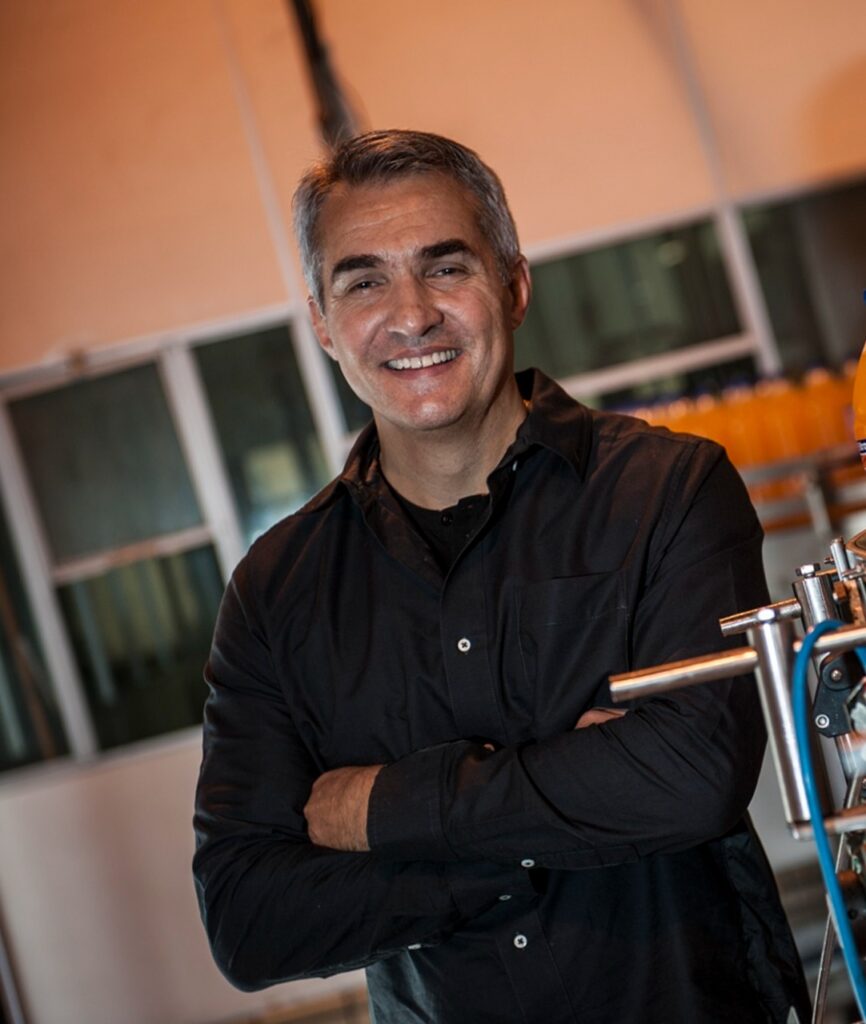
In March 2004, the industry celebrated 100 years of its foundation, starting to offer new product lines, in addition to carbonated drinks, such as Yerba mate Tea and ready-made fruit juice drinks.
In 2006, the group returned to its roots, in São José dos Pinhais. Currently, Cini is managed by two groups of shareholders, heirs of the brothers Orlando and Nilo Cini and is already in fourth generation, with Nilo Cini Junior, member of Cini Bebidas Shareholders Committee.
The strength of Egízio Cini's heritage
The company's soft drinks have a large share in the states of Santa Catarina and Paraná, being the second best-selling brand in Curitiba.
One of the best-selling products is the ginger drink, created by Egízio at Colônia Cecília. Your recipe was passed from generation to generation and became a family company soft drink. Finally, in 2019, the ginger was listed as intangible cultural heritage from Palmeira and turned symbol of the State of Paraná.
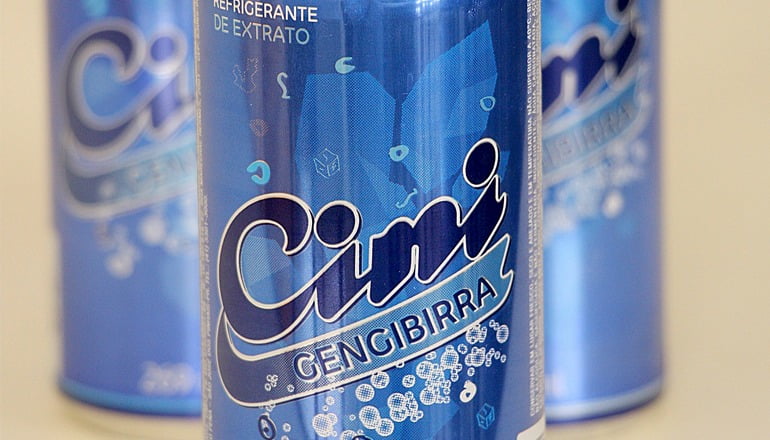
Cini Bebidas produces more than 5 million liters of ginger per year. Production is not greater only because of the seasonality of ginger. To get the drink, Cini processes almost 20 tons of ginger per annum.
All of this is a legacy of effort by the Italian Egízio, who decided while still there in Veneto to seek a new life in Brazil and, with a lot of work, saw his family give so many fruits for so many years.
By Roberto Schiavon/Italianism
FOLLOW ITALIANISM