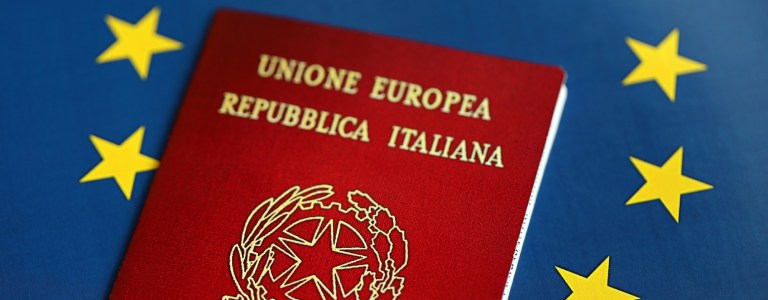





















Who hasn't dreamed of having a passport full of stamps? Especially one from Italy?
Traces of departures and arrivals, of borders crossed with butterflies in the stomach and curious eyes. With each new stamp, a conquest. With each print, a country, a language, a story to tell.
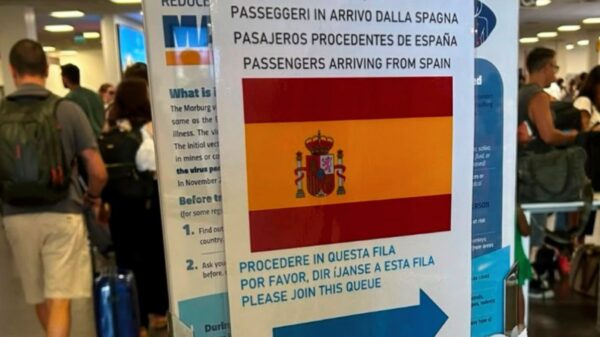
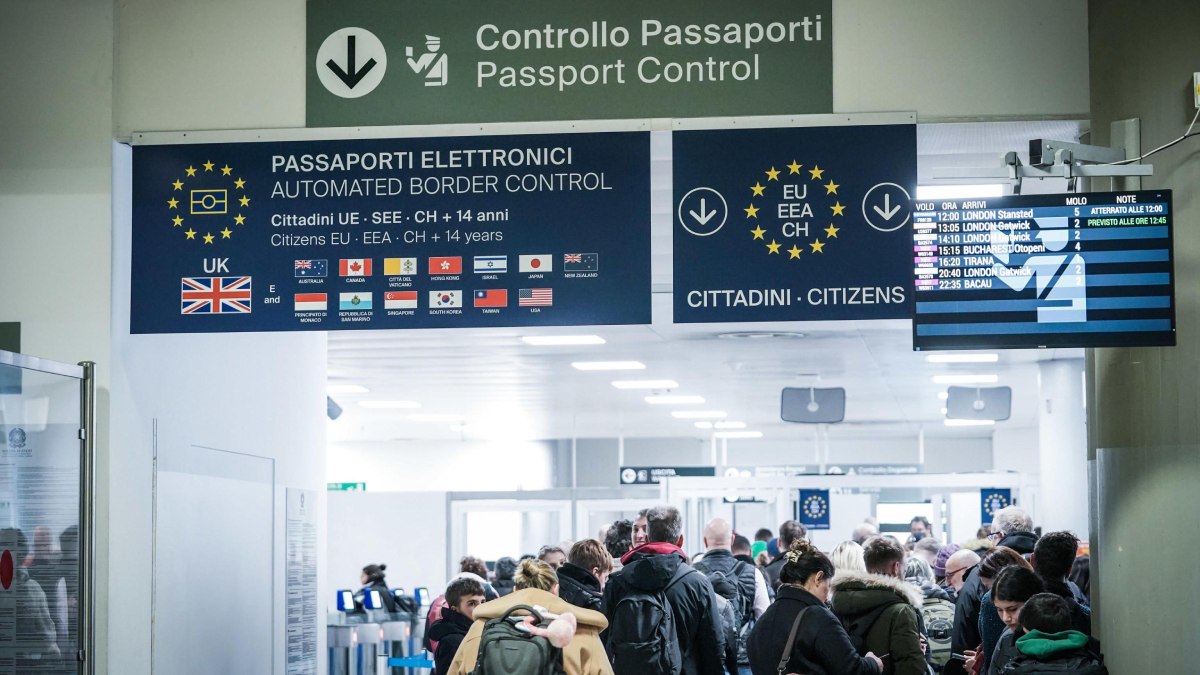
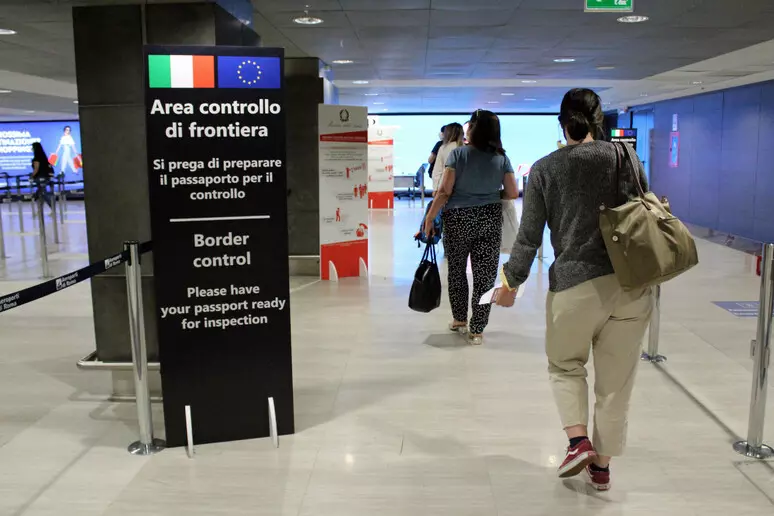
Starting this Sunday (12), the European Union begins a new phase in border controls. The EES system, an acronym for “Entry/Exit System”, now digitally records the entry and exit of non-EU tourists in the Schengen Area — including Brazilians.
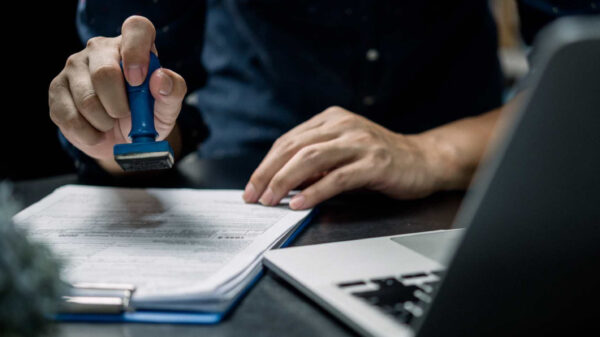
In practice, the old black or blue ink stamps, hastily applied by officials at immigration counters, will begin to disappear. In their place will be facial recognition, fingerprint collection, and automated data matching.
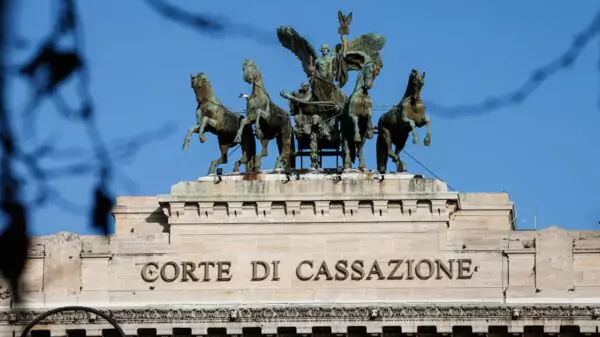
The Supreme Court reaffirmed: citizenship is born with the person.
- New legal front opened
- Processes can still be filed.
- Individual assessment before any decision.
Goodbye to ink, hello to biometrics
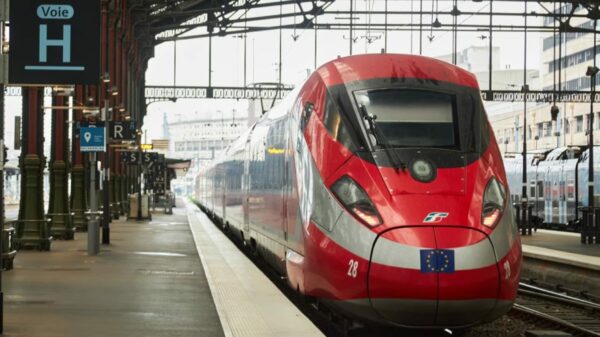
The new model will be adopted in all 25 countries of the Schengen Area, as well as Iceland, Liechtenstein, Norway, and Switzerland, with completion scheduled for April 2026. In Italy, the airports of Rome-Fiumicino and Milan-Malpensa already operate with the system, as do the ports of Genoa and Civitavecchia.
Upon arrival, travelers will provide a photo of their face and fingerprints. Passport information, including entry and exit dates, will be stored digitally. The technology promises faster and more secure borders. And, according to authorities, it will also help combat illegal immigration.
But for those who travel not just out of necessity, but also out of enchantment, the passport is losing one of its most poetic functions: that of a silent diary. A piece of letterhead with records that no app can replicate.
Between modernity and memory
"This is an important milestone for the bloc's security and migration control," said Rasmus Stoklund, Minister of Migration of Denmark, the country that holds the rotating EU presidency.
Still, there are those who lament. For many, the stamp was more than an entry control—it was concrete proof of a crossing. Small marks that recorded more than time and space: they recorded belonging.
Passports will continue to exist, of course. But blank. Or almost. And perhaps, somewhere in the world, there's still a more nostalgic official, willing to stamp the present to immortalize the past.