

































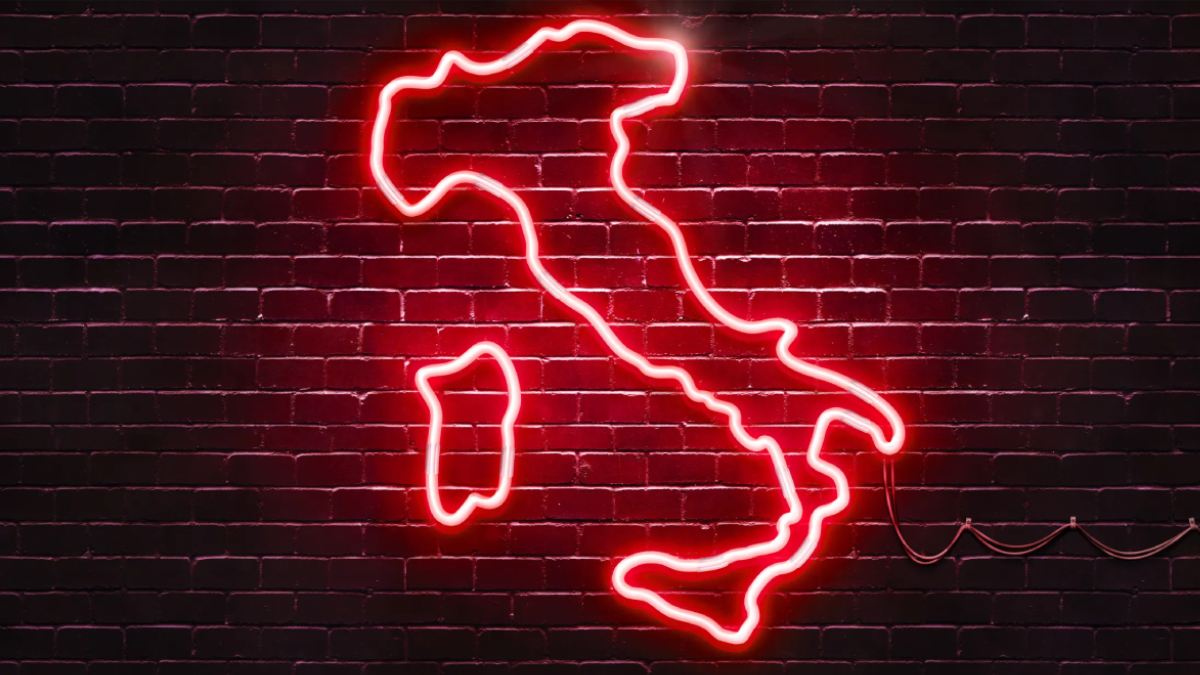
Have you ever wondered where the names of italian regions and provinces? A new study shows how the etymology of these areas reflects aspects of nature, myths and the country's multifaceted history.
Names like Basilicata, Puglia e Calabria carry surprising meanings and, in many cases, refer to centuries of domination and cultural changes. Now, the Veneto, for example, that is to say “land of the beloved”.
The fascination behind names
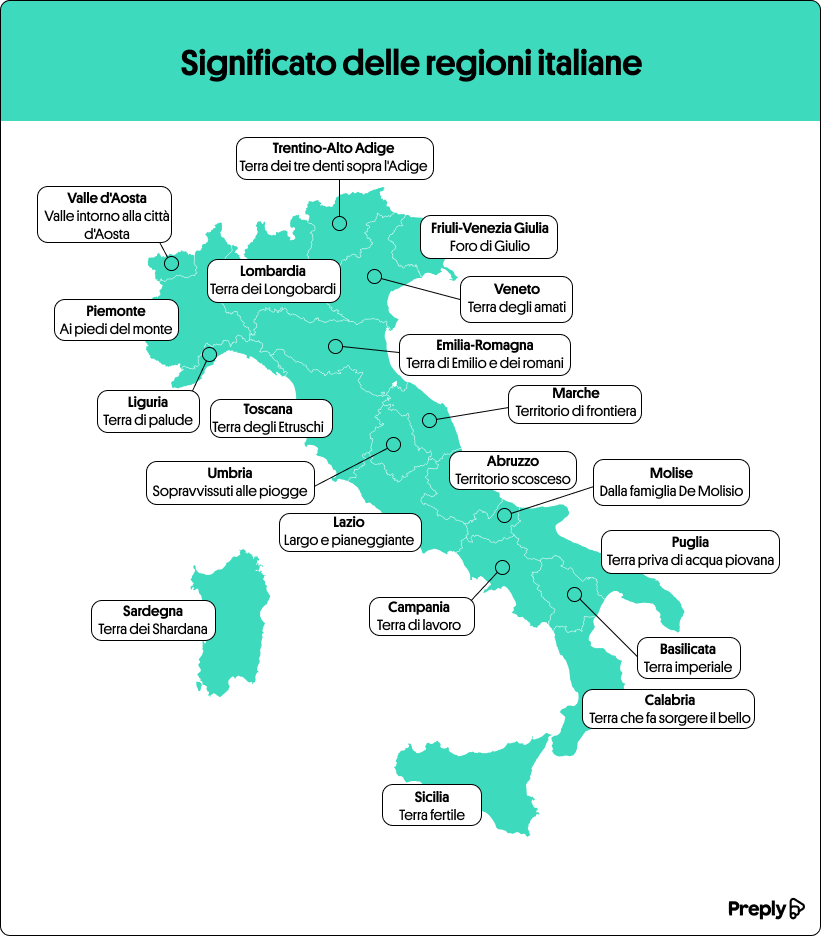
According to research carried out by the platform Prely, the origin of the names of Italian regions reveals a rich tapestry of historical, geographical and linguistic influences.
For instance, on our trip to Basilicata derives from the Greek term “basilikos”, referring to a royal official, reflecting the Byzantine era.
Yes, Puglia has a connection with the word “a-pluvia”, linked to the lack of rain in the region, highlighting its arid geography.
A Calabria has a more complex etymology: its current name, originally used to describe Salento, was adopted by the Byzantines to unify the southern peninsulas.
Its roots may be in “kalàbris” (good air) or “kalón-bryōn” (land that gives rise to beauty).
Each name tells a part of the history of these lands, whether through their relief or the people who lived there.
Regions: between land and mythology
The connection between geography and the name of each region is evident. The name of the campania, for example, can come either from Latin “campus” (field), for its vast plains, as for the Oscan “kampanom”, which refers to the former local inhabitants.
A Sicilia it derivates from “-sik”, an Indo-Germanic term for fertile land, showing the island's natural abundance.
A Umbria, in turn, carries in its name the Greek word “shoulders” (rain), reflecting the legend of a flood that would have shaped the local people.
Other regions, such as Sardinia e Toscana, also keep in their names memories of ancient peoples, such as the Phoenicians and the Etruscans, respectively.
Curiosities of the Provinces
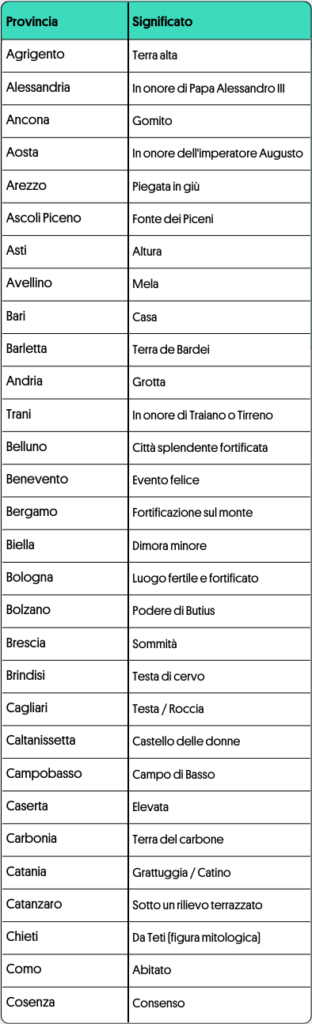
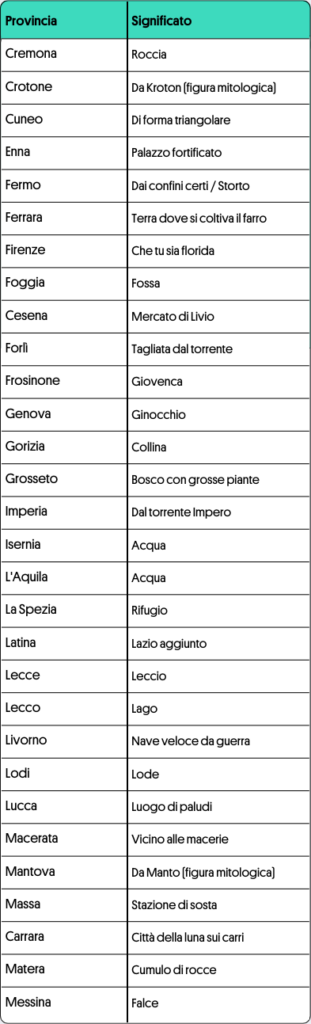
When it comes to the Italian provinces, the etymology is no less interesting. Many of them have origins linked to the territory or myths. Agrigento, in Sicily, means “high land” in Greek, while Asti comes from the word ligure “ast” (elevation). Already Chieti was named after the nymph Teti, mother of Achilles, and Taranto to the Greek hero Taras, son of Poseidon.
Interestingly, province names like Toast e Parma are connected to shapes and objects. Brindisi comes from “brention” (deer's head), referring to the shape of its port, and Parma possibly from the circular shield used by Roman soldiers.
These linguistic histories offer us a window into the eras of conquest, agriculture and culture that shaped the country, making Italy's etymology a true historical treasure trove.
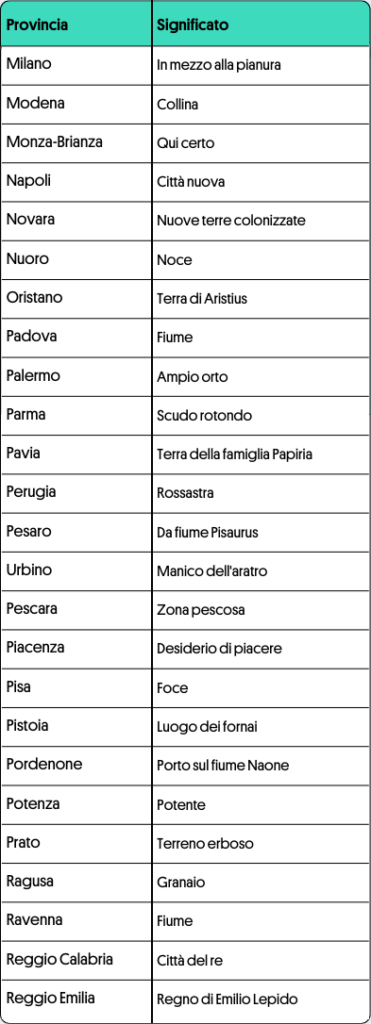
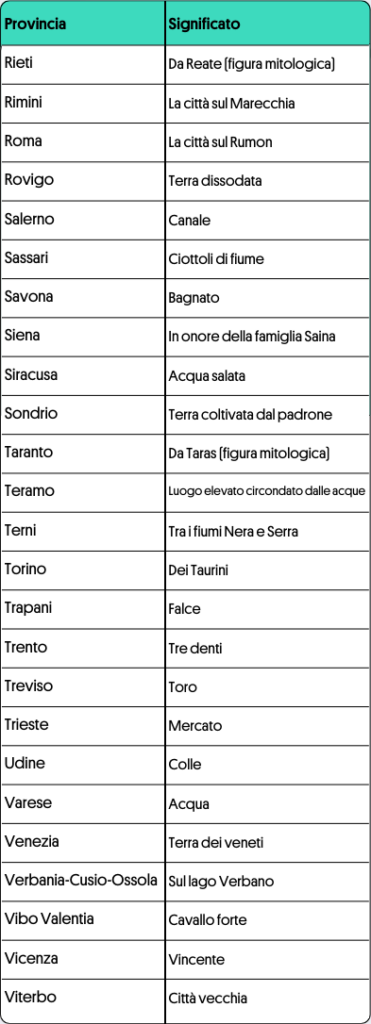
Meaning of Italian provinces
FOLLOW ITALIANISM