




















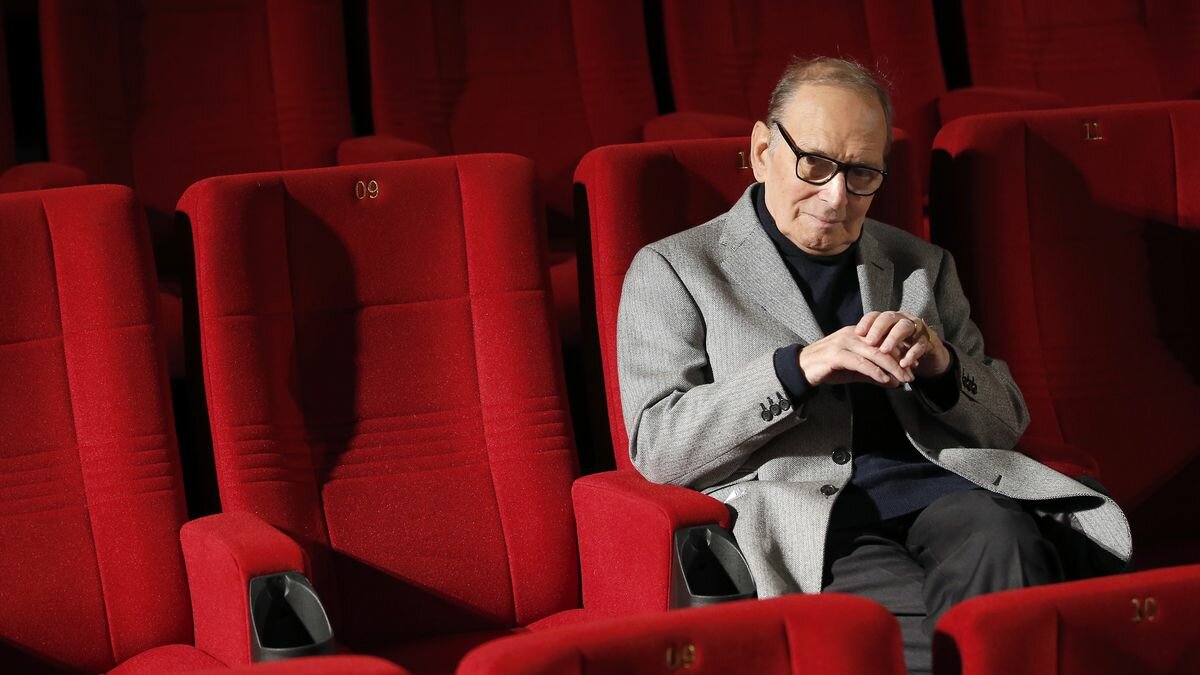
Italian composer who changed music and cinema passes away at 91
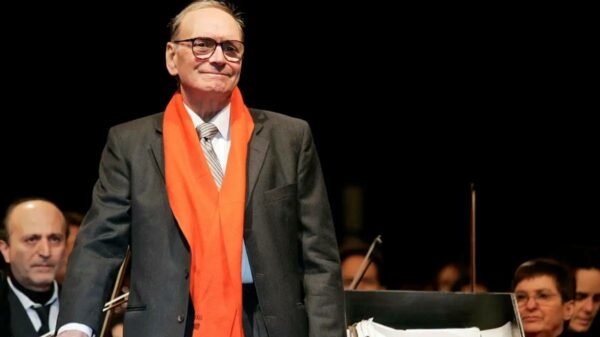
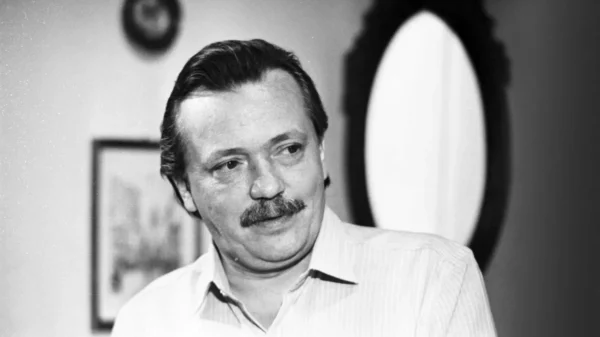
It's no exaggeration to say that cinema and music have lost one of their greatest names. Ennio Morricone, an Italian composer of inestimable talent, passed away today, aged 91. But his instantly recognizable works, which changed the world of soundtracks, live forever.
Following the announcement of Morricone's death, the American director Edgar Wright shared his mourning on social media, describing the composer in an accurate way: “He could transform a mediocre film into an unmissable work, transform a good film into a work of art and a great film into a legend.” Few composers have achieved what Morricone accomplished: when you remember films like Three Men in Conflict, The mission ou Cinema Paradiso, it's his notes that resonate in the mind.

Morricone is often remembered for his work on spaghetti westerns and its partnerships with Sergio Leone...in films that would become classics largely because of his compositions, but his legacy is much greater than that. Since he began composing – at the age of six – Morricone has had a brilliant career that spanned jazz and popular music (Morricone has compositions in the careers of...). Pet Shop Boys, Andrea Bocelli, Mina e StingThrough theater, radio, and film, he explored various genres. And despite his historical influence in Hollywood, he never left Rome, his hometown, and never abandoned Italian cinema, which today mourns the loss of one of its greatest names.
Remembering a historical legacy, we have selected 10 unforgettable soundtracks by Ennio Morricone below:
FOR A FANDFUL OF DOLLARS (1964)
It is a simply impossible task to select just one of Morricone's works for the Dollars Trilogy, spaghetti-westerns that marked the beginning of the composer's partnership with the director Sergio LeoneThe three films are marked by compositions that are not only unforgettable but revolutionary, and therefore, when listing their most important soundtracks, it is necessary to make room for the music that started it all. In "A Fistful of Dollars," Morricone (credited as Dan Savio so as not to alienate the American public, unaccustomed to Italian westerns) left a mark in the minds of everyone who watched it: a striking whistle and a totally peculiar electric guitar, which gives the film a unique atmosphere. As Morricone composed the songs before the film was filmed, it is a known fact that Leone prolonged scenes just to let the composer's music play in full. The result of this changed cinema forever.
THREE MEN IN CONFLICT (1966)
It's a shame to have to leave a work of Dollars Trilogy from outside – especially because the trail For a Few Dollars More is truly brilliant in its own right – but to list the essence of Ennio Morricone, the other track that makes the list is Three Men in Conflict. While he laid a brilliant foundation for what would come to the conclusion of the trilogy, it is in Three Men in Conflict that the grand atmosphere of Morricone reaches its peak. It would be impossible to remember this classic without hearing the guitar, the whistle, and that peculiar singing, which build the climax of Three Men in Conflict. Its most memorable sequence, at the end of the film, in the cemetery, would be absolutely different without Morricone's creation. But it's not just this peak that makes the 66 film's soundtrack so brilliant. In this film, Morricone creates themes for each of the characters, associating each of them with a specific instrument or sound, thus establishing a relationship between music and film that becomes inseparable.
ONCE UPON A TIME IN THE WEST (1968)
Still with Sergio Leone, Morricone created one of the most unforgettable soundtracks for the film Once Upon a Time in the West, from 1968, creating a much more romantic and melancholic atmosphere than his western trilogy. The first notes of the feature's main theme are instantly recognizable, but for this feature, Morricone's compositions are also remembered for the themes created for each of the characters, particularly that of the character of Claudia Cardinale, Jill. Again, the Italian's score was composed before filming, and Leone had a curious method of recording, playing the tracks in the studio so that the actors could act on top of Morricone's compositions.
THE VIOLENT GO TO HELL (1968)
Also in 68, Ennio Morricone created the soundtrack for The Violent Go to Hell, his third partnership with another frequent spaghetti-western collaborator, director Sergio corbucci. Investing again in an iconic whistle, Morricone has once again created an instantly recognizable track. And for those who have never seen the classic and know that they have heard this melody somewhere, they may remember one of the most memorable scenes from Kill Bill Vol. first, on what Quentin Tarantino used the track to create the grand moment in which Beatrix Kiddo emerges from the coffin.
BURNED! (1969)
Although most of the entries on Morricone's unforgettable list have a distinctly Western feel, as we've said before, the composer was much more than this genre. One of the first and greatest proofs of his versatility is the soundtrack of Burned!, a 1969 classic by gillo pontecorvo, remembered mainly for the performance of Marlon Brando. With much more beats and a striking chorus like the track “Abolisson”, Morricone demonstrates his unerring ability to capture the spirit of a film in his compositions.
ONCE UPON A TIME IN AMERICA (1984)
It may seem exaggerated to include a fourth Sergio Leone film on the list of 10 unforgettable scores by Ennio Morricone, but anyone who has seen them all knows that there is no way to leave one of these out. Ending a historic partnership between director and composer, the maestro composed his last score for Leone in 1984, with the classic Once Upon a Time in America. Eternally remembered for its melancholy flute, this latest partnership has a bitter story behind it. Despite being considered one of Morricone's best creations, the soundtrack Once Upon a Time in America cannot be considered among the nominees for Best Score at the Oscars because Morricone's name was accidentally cut from the opening credits, to make the film shorter.
THE MISSION (1986)
The mission, feature film from 86 Roland Joffe and one of Morricone's most remembered soundtracks, is another example of his ability to capture atmospheres and feelings and deposit them in his compositions. Telling the story of a Jesuit missionary in South America, The mission combines liturgical chants with beats, Hispanic chants and strings, which reflect the different cultures portrayed in the film. Marking his second Oscar nomination – the first was for his memorable work in Ashes in Paradise (1978) – Morricone always reiterated that his work should certainly have won the statuette, especially because the winner, Around Midnight, Herbie Hancock, generated controversy for using previously composed pieces of music.
THE UNTOUCHABLES (1987)
Morricone also created one of his most memorable songs in his collaboration with Brian DePalma in drama The Untouchables, from 1987, remembered mainly for that symphony of trumpets, and a melody that not only fits perfectly with the atmosphere of the criminal underworld in the USA but also creates a feeling of growing expectation. The entire soundtrack The Untouchables is spot on, but who could forget the theme of Al Capone, which matches perfectly with the caricatured performance of Robert De Niro?
CINEMA PARADISO (1988)
A list of Morricone's unforgettable works would not be complete if it did not exemplify his talent in genres other than cinema. Despite being remembered for the strong and extravagant tone of westerns, crime stories or drama, one of his most sensitive works is in Cinema Paradiso, from 1988, the film that marked the beginning of his partnership with the Italian director Giuseppe Tornatore. To convey the life story of a filmmaker and the birth of his love for cinema, Morricone invested in a more intimate and delicate instrumental, with piano, celesta and strings.
THE HATED EIGHT (2015)
Coming to the end of our list, it is difficult not to feel a certain discomfort in just listing 10 of Ennio Morricone's tracks, especially because there is a long time between the last two items in the selection. But the soundtrack The eight hated, Tarantino's only film that features original compositions by Morricone (the director used several tracks by the composer in several of his films) was notable for several reasons: it was Morricone's return to the western genre, it fulfilled a well-known desire of the director and represented the Morricone's well-deserved Oscar win. But the fact that the maestro was only presented with a statuette in 2015 is more a testament to the Academy's failings than a sign of the composer's belated merit (despite the Oscars presenting Morricone with a lifetime achievement award in 2007). At 87 years old, Morricone created intense and striking pieces for The eight hated, somehow showing that even after so much time he still had a lot to say.
FOLLOW ITALIANISM