

























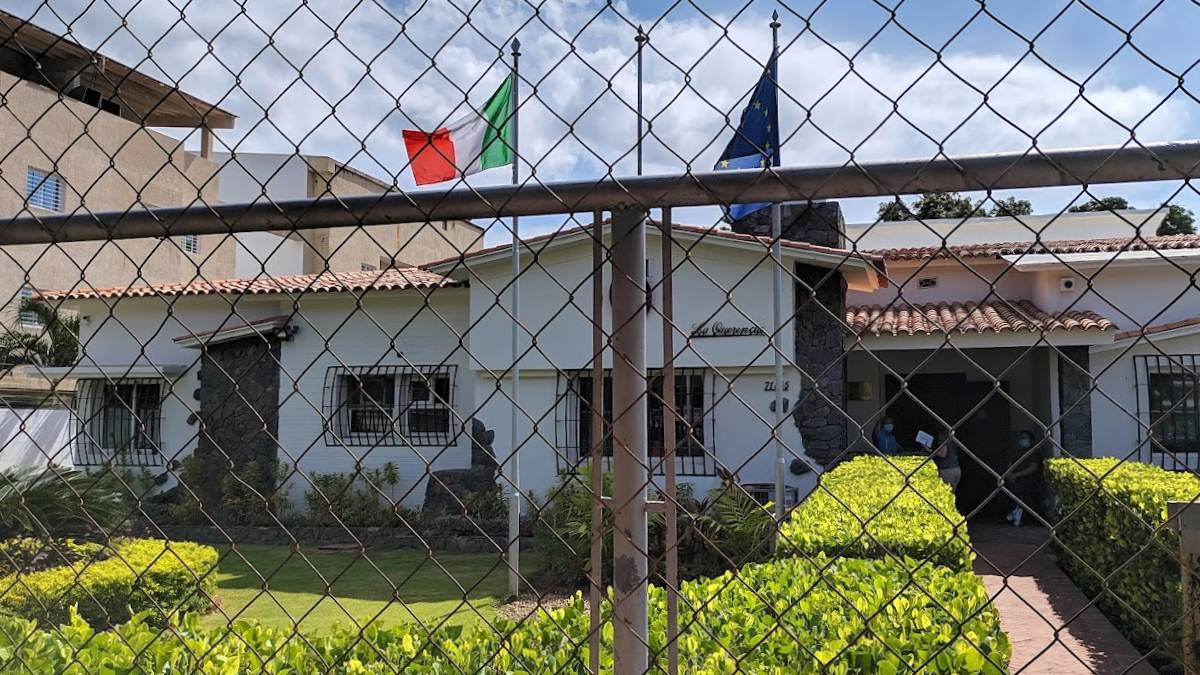
The government of Venezuela has determined that Italy will be allowed to keep only three diplomats in its embassies in the country. The decision was announced on January 14 by Foreign Minister Yván Gil, in response to what he called “hostile behavior” by France, the Netherlands and Italy following the re-election of dictator Nicolás Maduro, widely contested by the international community.
Gil said these countries supported “extremist groups” and interfered in Venezuela’s internal affairs. In addition to reducing the number of diplomats, the government imposed travel restrictions, limiting the movement of foreign representatives to a 40-kilometer radius of Plaza Bolívar in downtown Caracas. Any movement outside this area will require prior authorization from the Foreign Ministry.
Context and Reactions
The move comes after Maduro was sworn in on January 10 for a third six-year term, which will bring him to 18 years in power. The July 28 elections that saw him reinstated were denounced as fraudulent by the opposition and several countries, including members of the European Union.
The Prime Minister of Italy, Giorgia Meloni, recognized the exiled Edmundo González Urrutia as the elected president of Venezuela, a stance that follows the line of other European leaders and reinforces Maduro's international isolation.
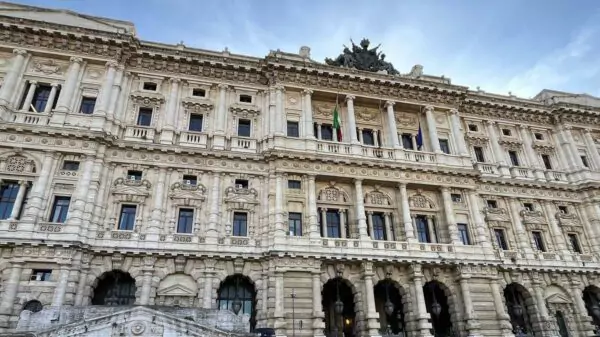
The Supreme Court reaffirmed: citizenship is born with the person.
- New legal front opened
- Processes can still be filed.
- Individual assessment before any decision.
In addition to Italy, France and the Netherlands have also been subject to the same restrictions. Representatives of the Dutch government have described the measure as an “escalation” that hinders any attempt at dialogue with the Maduro regime.