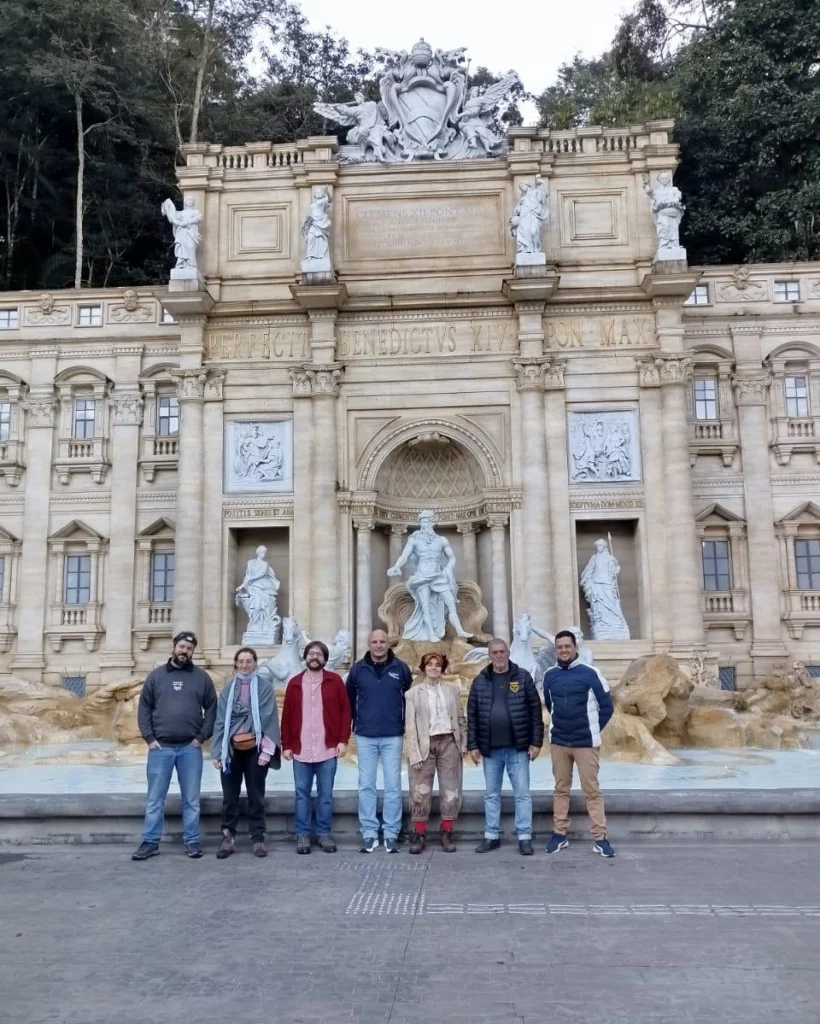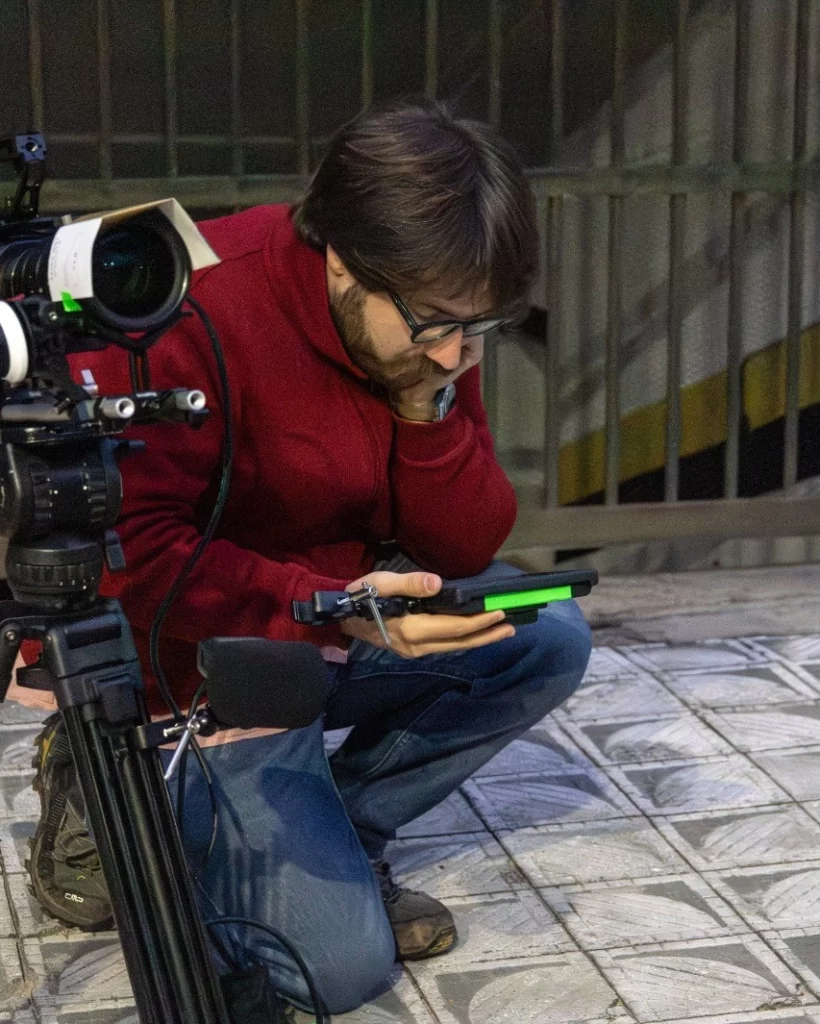


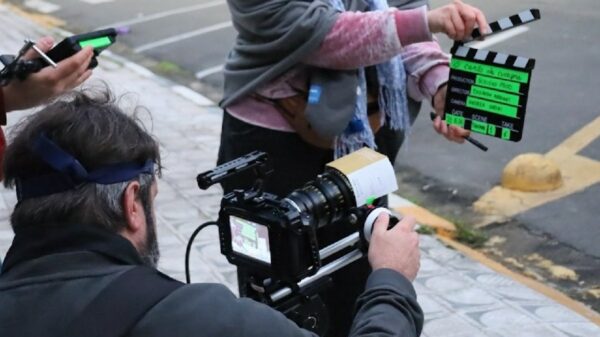
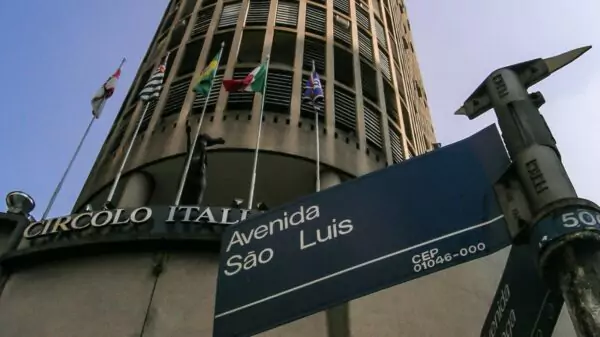
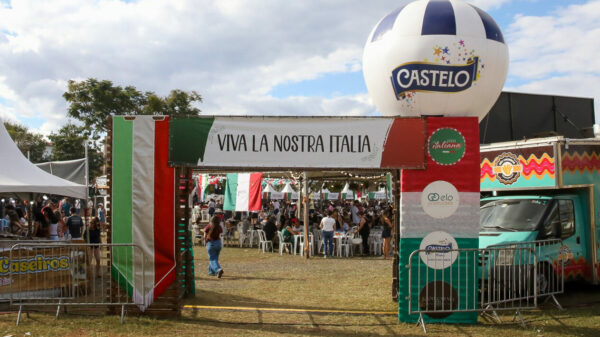
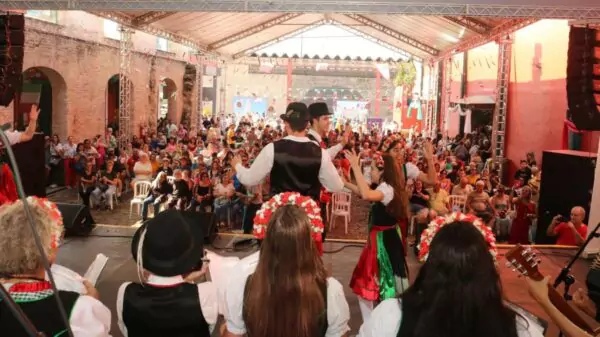
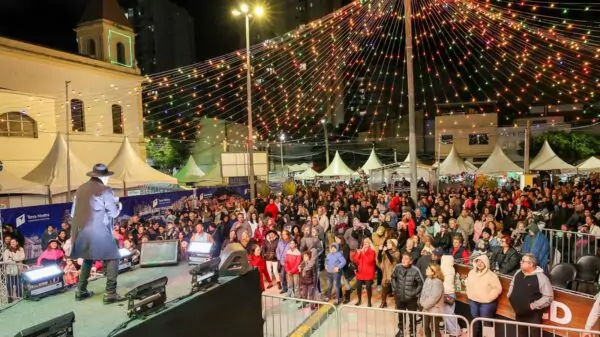


















Serra Negra, in the interior of São Paulo, was chosen as one of the settings for "The Song of the Cucagna", a documentary that investigates the historical and cultural connections created by Italian immigration in Brazil. Part of the filming took place in the city of São Paulo, including images of Fontana di Trevi local, a monument inspired by the Roman fountain.
The project is produced by the Italian company Scrigno Production and has Brazilian partners, including Eccolo Coworking Criativo, from São Carlos, and the Immigration Museum of São Paulo. The production's official page states that the film is still in development and does not yet have a release date.
The direction is Edward Mariani, who is also responsible for the script alongside Sabrina Scansani. The cinematography is by Marco Allegrezza and Andrea Sorini. The documentary will be spoken in Brazilian Portuguese and Talian, an immigrant language formed mainly from varieties of Venetian and preserved by communities of descendants in Brazil.
From Genoa to "America"
The narrative begins with Nanetto Pipetta, a literary character created by Friar Aquiles Bernardi and transformed into one of the symbols of the Italian immigrant experience in Southern Brazil. His stories began to be published in 1924 in the newspaper. Staffetta Riograndense, depicting the dream of finding in America the so-called "cucagna," or Cockaigne, the imaginary land of plenty.

The Supreme Court reaffirmed: citizenship is born with the person.
- New legal front opened
- Processes can still be filed.
- Individual assessment before any decision.
In the documentary, Nanetto is given a new portrayal. He appears as a Venetian teenager who stows away on a ship leaving Genoa bound for Brazil. Also on board is Father Enzo, a Sicilian missionary who has lived in the Amazon for over 30 years and is returning to Porto Velho.
Based on this encounter, the film aims to discuss migration, cultural transformation, memory, and the relationship between different peoples. According to Scrigno Production, the project blends observational documentary, performance, and elements of magical realism.
The team passed through Serra Negra.
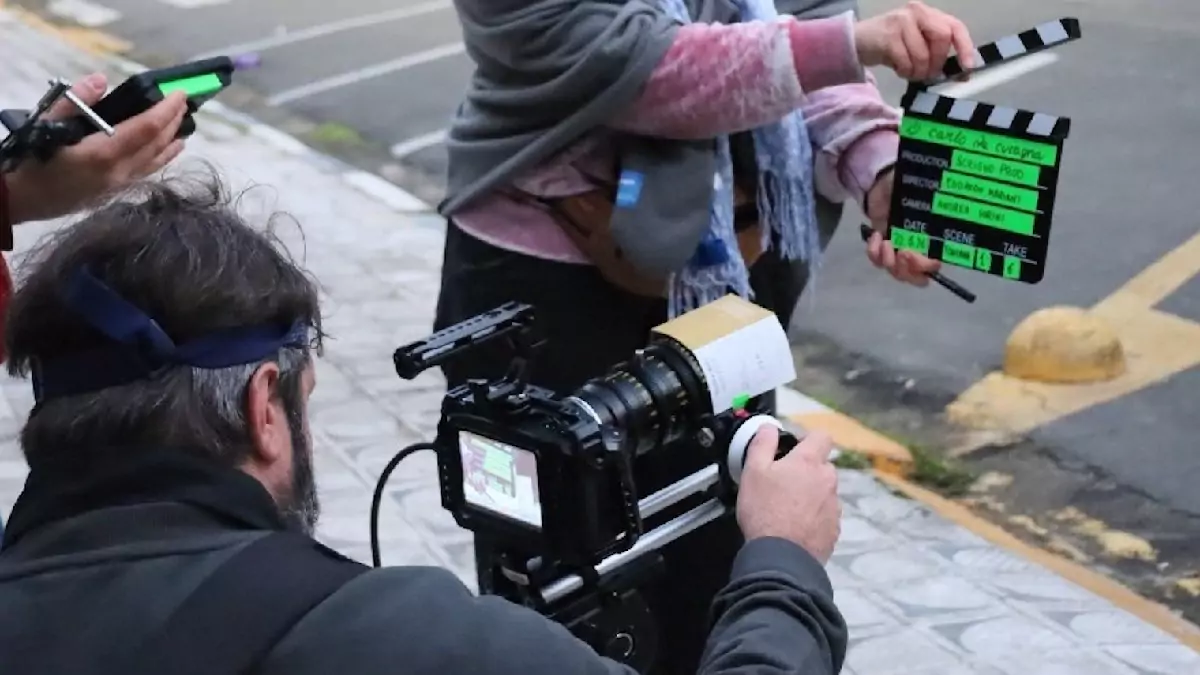
During filming in Serra Negra, Brazilian and Italian members of the production team were in the city, including Edoardo Mariani, Andrea Sorini, Sabrina Scansani, actress Elsa Lanzalotta, Maria Alice Torres, CEO of Eccolo, as well as professionals Luiz Salles and Daniela Santos.
One of the points chosen was the Serra Negra Trevi FountainInaugurated as a tribute to Italian culture, the attraction is approximately 40% the size of the original fountain in Rome and has become one of the city's tourist symbols, reflecting the strong influence of Italian immigration.
The production also has as partners the Galata Museo del Mare, in Genoa, the Museo Nazionale dell'Emigrazione Italiana, also in Genoa, and CNA Puglia. The project also has the institutional sponsorship of the Brazilian Embassy in Rome and was selected for the Ventana Sur audiovisual market, held in Buenos Aires in 2025.
The project's origins are also personally connected to its director. According to Scrigno Production, Mariani began developing "O Canto da Cucagna" after finding a rare book about Italian immigration to Brazil that had belonged to his great-grandfather.