



















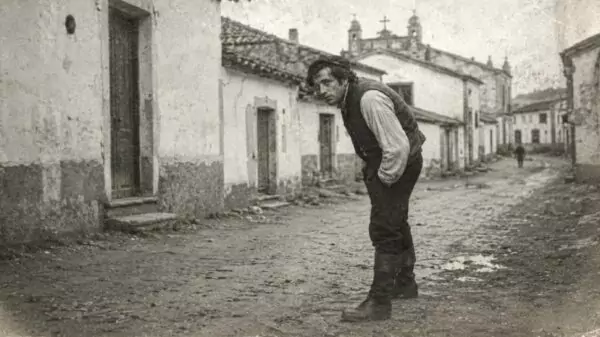
Esposito is one of the most common Italian surnames, and its origin is a difficult one. It was the name given to abandoned newborns, registered by civil registry officials, parish priests, and foster care institutions. The same story is behind Colombo, Innocenti, and dozens of others.
It's not just a handful of surnames. According to the onomast. Enzo Caffarelli, one of the leading scholars of onomastics In Italy, the surnames given to abandoned children form "a vast repertoire, which varies from city to city." According to the linguist, each institution adopted its own criteria for assigning these names.
Names that indicated who the child was.
The first logic marked the baby's condition. Hence Esposito, linked to "esposto," meaning exposed, typical of Naples and Campania, with Esposto in Foggia and Degli Esposti in Bologna. Also in this group are Proietti, in Lazio, Innocenti and Nocentini, in Tuscany, and Trovato, in Sicily.
Many came from the foster home itself. Innocenti was born from Hospital of the Innocents, the Florentine hospital that received babies since the 15th century. There are also direct records, such as Orfanelli, in Abruzzo, and the Neapolitan Madonna and Annunziata.
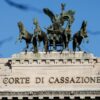
The Supreme Court reaffirmed: citizenship is born with the person.
- New legal front opened
- Processes can still be filed.
- Individual assessment before any decision.
The institution's symbol became its surname.
The second approach used the name or symbol of the institution. The best-known example is... ColumboColombo is one of the most common surnames in Lombardy. Many of the Colombos in Milan were named after the dove, the symbol of the Santa Caterina della Ruota Institute, which housed foundlings in the city.
At other times, the name invoked divine protection, in surnames such as Casadei and Casadio in Romagna, or Diotaiuti in Campania, a way of asking God to take care of the newborn.
From Umberto Eco to Zeffirelli
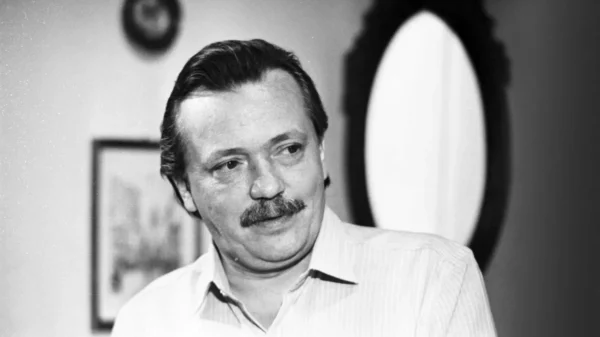
Two famous names bear this mark. The surname of the writer Umberto Eco It came from a Latin acronym given to his grandfather, Ex Coelis Oblatus, "given by Heaven." Eco discovered the meaning by chance, in an archive.
The filmmaker's Franco Zeffirelli It was chosen by his mother at the institution, where in those days it was mandatory to give children a surname beginning with Z. He himself told the story more than once. The name comes from "zeffiro," the gentle west wind.
Many descendants in Brazil, especially in São Paulo, carry these surnames without knowing that they hold a history of abandonment. and welcomingMore than just an old brand, they are a testament to survival.
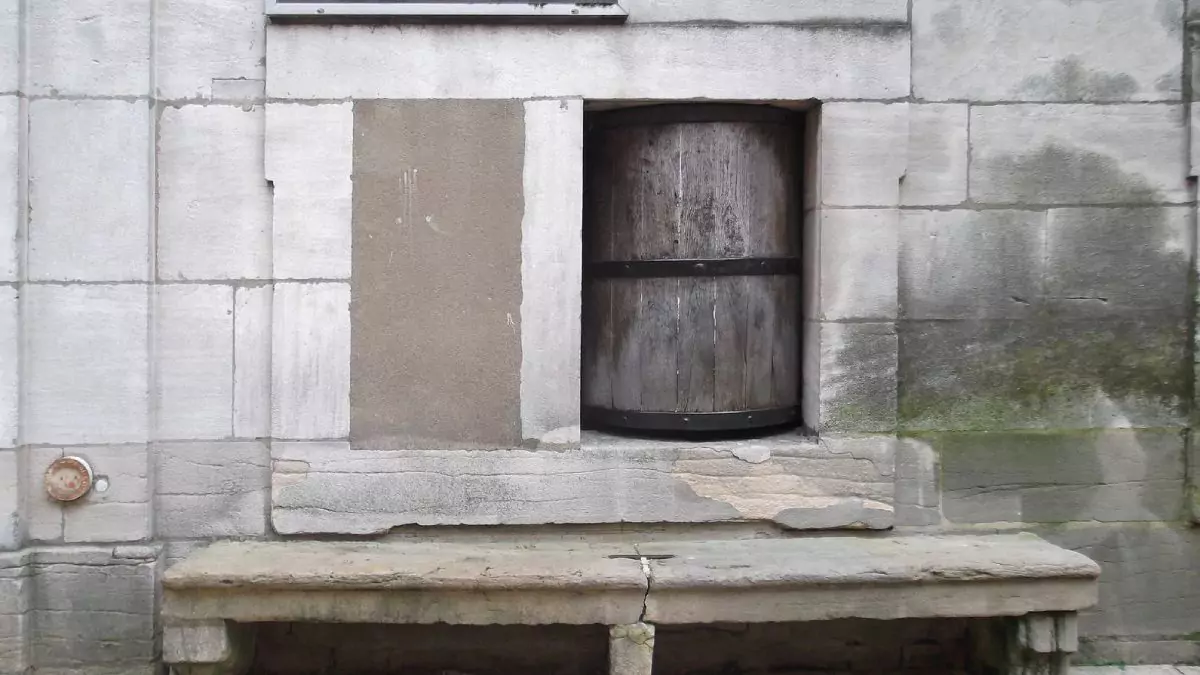
A wheel It was a rotating cylinder embedded in the walls of the institutions. The mother would leave the baby on one side, it would rotate, and she would leave anonymously. On the other side, nuns or staff would collect the child, register the entry, and assign a surname. The very name of the Milanese institute, Saint Catherine of the Way, it comes from that wheel.














Marco
June 25 from 2026 at 12: 14
The surname Bianco comes from the absence of a surname.
Marco
June 25 from 2026 at 12: 18
The friars at the Ospedale della Pietà in Venice gave sarcastic names to the orphans and bastards abandoned by impoverished single mothers.
Clerics
June 25 from 2026 at 12: 19
The friars at the Ospedale della Pietà in Venice gave sarcastic names to the orphans and bastards abandoned by impoverished single mothers.
Rita Bregonzi
June 28 from 2026 at 13: 58
And the surname Bregonzi?