






































New guidelines published by Italian consulates in Brazil add further hurdles to the already complex process of obtaining Italian citizenship.
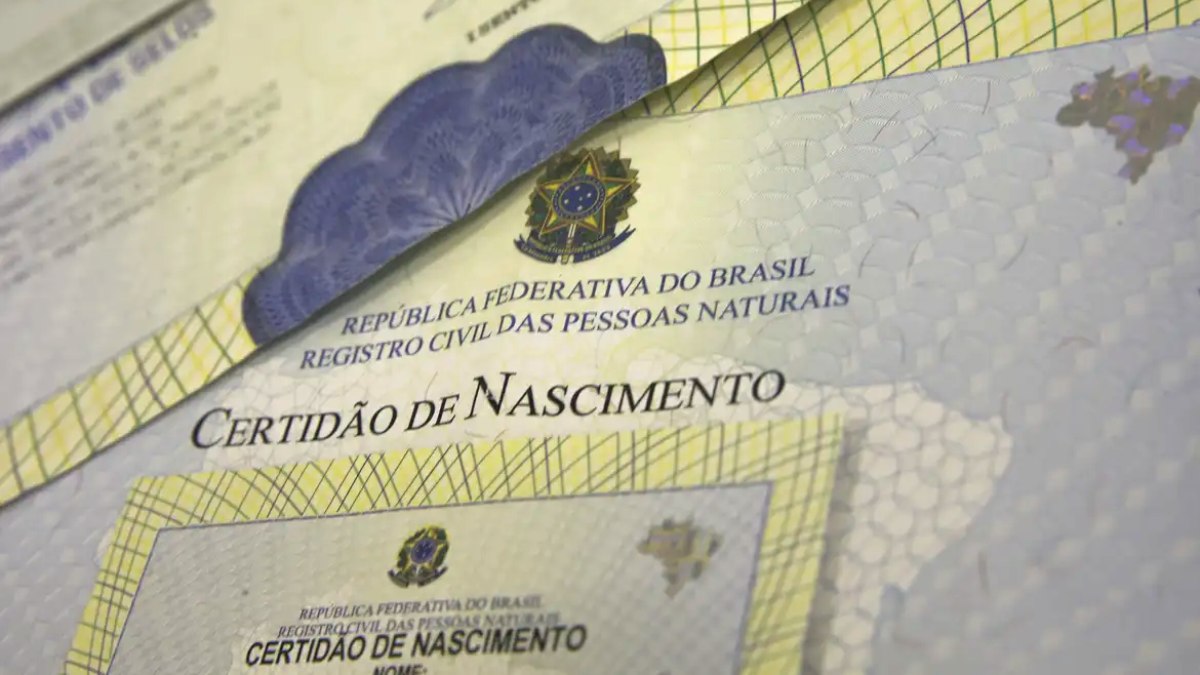
The decision disqualifies birth certificates registered by unauthorized third parties, such as farmers, employers or relatives, a common practice among Italian immigrants in Brazil in the past.

The rule was published on the websites of the consulates of São Paulo, Rio de Janeiro, Belo Horizonte e Curitiba, this Thursday (21).
The Italian Embassy in Brasília and the Italian Consulate in Recife have adopted this interpretation since 2018, while Porto Alegre has not yet officially implemented it.
Third party declarant: what does Italian law say?
The recent guidance from consulates follows article 373 of the Civil Code of 1865, which specifies that only parents, doctors, midwives or people with power of attorney can register births. Third parties are only accepted in exceptional situations, as long as they are justified in the registration.
In Brazil, however, it was common for registrations to be made by third parties such as uncles, grandparents, employers or block inspectors, for example. These practices were previously unchallenged, but now these certificates are rejected, leaving applicants with no clear alternatives.
Reginaldo Maia, from Blessed Citizenship[Company Name], a company that provides consulting services for Italian citizenship processes and document preparation, states that the new rule will have a significant impact. "We have a high volume of cases where the ancestor was declared by a third party. Although the law is old and hasn't been applied until now, this measure seems designed to make it more difficult or discouraging for applicants," they assess.
Impacts: financial and emotional losses
The new rule directly affects those who have already paid the consular fee of €300 and submitted the documentation after years of waiting in lines at the consulates.
Applicants report frustrations with the way consulates treat them and the lack of transparency about how the new rules are being applied.
“There are people from the same family who were recognized more than 10 years ago. Now, others with the same documentation, who have a third declarant, will not be able to do so. This is bizarre!” criticized Márcia C. Del Sole in a citizenship group on Facebook.
“Total disrespect for the people who are in line. If they wanted to adopt this rule, they should do it for new lines or set a date for new applicants. People spend an absurd amount on documentation, translation and apostille. This is not fair!” complained André Casanova.
Dani Martinelli, another applicant, expressed her indignation: “They called the 2016/2017 applicants in March, asked for the documentation and accepted it normally. Then, they changed the rules. Money wasted, documentation withheld, without explanation. At the very least, they should have sent emails requesting additional documents. It’s regrettable!”
With reports like these, many have sought alternatives through legal means, but the emotional and bureaucratic strain continues to be significant.
Questions and answers about the new rulea
1. Does the rule apply to those who have already submitted documents?
Yes. From the date of publication, consulates may reject certificates with third-party declarants, even in processes already open.
2. My relatives obtained Italian citizenship through the same line, but my birth certificate lists a third declarant. Could the consulate reject my application now?
Yes, the consulate may reject your application even if relatives in the same line of descent have been previously recognized. This is because the interpretation of consular rules has changed recently.
3. Does the new rule apply in cases where the parents were demonstrably married?
Yes, the rule applies to all cases where the birth was declared by unauthorized third parties, regardless of the marital status of the parents.
4. How to prove that a third party declarant acted in accordance with the law?
Check with the registry office to see if there are any documents attached to the registration, such as a valid power of attorney or additional justifications.
5. Do Italian municipalities also apply this rule?
So far, there are no records that municipalities follow the same interpretation as consulates.
6. What should I do if my documentation has a third party declarant?
If possible, try to identify another line of ancestry. If this is not possible, the alternative is to file a lawsuit in Italy.
7. Is it safer to seek recognition through legal means?
Yes. In the judicial process, the judge can prioritize the bloodline and interpret possible administrative irregularities in a more flexible way, increasing the chances of success in recognizing citizenship.
Do you have any questions? Leave your question in the comments below..
FOLLOW ITALIANISM