






























The legal dispute over the restriction of Italian citizenship by descent remains unresolved and may still see new developments in the coming months.
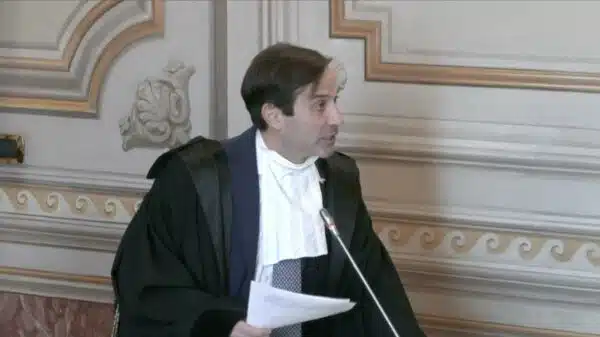
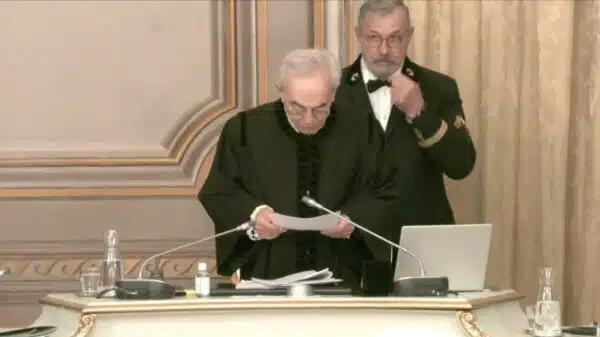
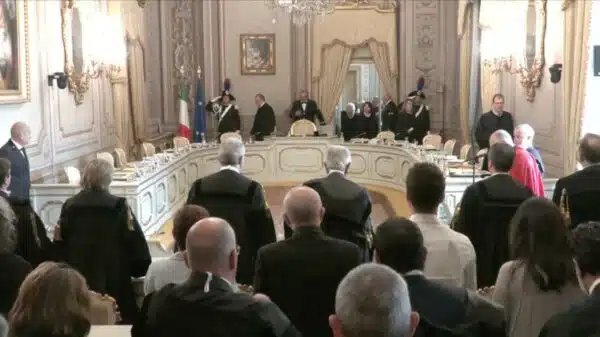
After hearing last week (on March 11), The Constitutional Court stated in a note that the challenges to the law are "partially unfounded and partially inadmissible." The full decision has not yet been published.
Initial understandings suggest that some restrictions may remain in place. However, experts say the situation remains uncertain.
Lack of clear definition
So far, there is only a statement from the Court, without details of the ruling. This prevents a definitive interpretation of the scope of the decision.
It was also not clarified which points were rejected on their merits and which were deemed inadmissible on procedural grounds.
Another relevant factor is that the case analyzed originated from a specific process, presented by a court in Turin.
The lawyer Antonio Cattaneo It highlights the need for caution in interpreting the result.
"It is necessary to understand whether this lack of foundation is due to a failure on the part of the judge, who did not adequately substantiate or justify these exceptions of unconstitutionality, or whether the absence of foundation is linked to some new normative basis," he said.
Cattaneo states that new defense strategies are already being prepared for the upcoming legal developments.
Technical analysis of the case
According to the lawyer Luigi MinariHowever, the decision does not represent the end of the legal discussion.
"She (the Court's statement) "It doesn't confirm the constitutionality of the law; it only states that the grounds used by the Turin judge to raise that possible unconstitutionality are not sufficient to convince the court, which is a completely different matter. So, the game is still open," explains Minari.
The lawyer claims that the trial only addressed the arguments presented in this specific case, without analyzing all aspects of the law.

"It's not that the Constitutional Court has already ruled on the entire issue regarding all aspects of the new law; it has only ruled on what the judge in Turin presented."
Milari also points out technical differences between the processes already analyzed and those that are yet to be judged.
"Mantua's decision touches on the central point, which is the moment of acquiring citizenship," he explains.
According to him, the Turin case focused more on the moment of the administrative request, while other actions directly address the right to citizenship at birth.
Next steps in the legal process.
New trials are expected and could influence the outcome.
One of them It will be reviewed by the Constitutional Court on June 9th., with the expectation of a broader approach, related to the Mantua Court case.
Furthermore, Supreme Court of Cassation The court is scheduled to rule on April 14th on a matter related to the interpretation of the law, with a possible indirect impact on the new rules.
"The Court of Cassation can provide an interpretation that respects acquired rights, stating that the decree applies only to future situations," he said.
The case refers to the possible Loss of Italian citizenship due to the naturalization of an Italian immigrant during the child's minority..
A time for caution.
Given the uncertainties, the recommendation is to wait for further developments before making any decisions.
"Now is the time for calm, obviously, let's wait for the content of the decision."
According to Milari, the expectation is that new rulings will bring greater clarity to the application of the law.
"The match is still on," he believes.
FOLLOW-US