






































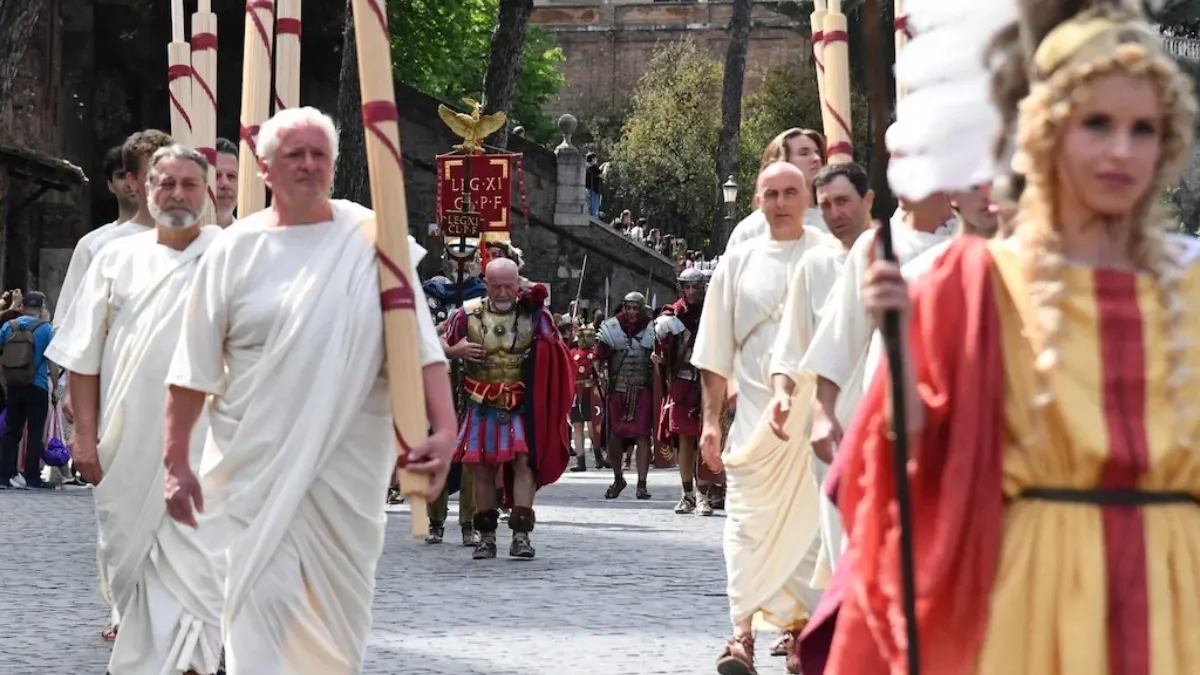
Rome turns 2.777 years old this Sunday, April 21st. But what is the history surrounding the anniversary of the Eternal City?
The date is shrouded in mystery. The narratives we know about the emergence of Rome come from the ancient Romans, who were rarely the most reliable sources: they were not interested in documenting the mundane process of settlement development, but rather in associating their city with gods, destinies, and myths to reinforce its position as the capital of the Roman Empire and legitimate "king."capital of the world".

Legend has it that Aeneas, son of the goddess Aphrodite and prince of the doomed Greek city of Troy, led the survivors of the Trojan War across the Mediterranean to the Italian peninsula.
Having been guided by the gods and fate to the southwest coast, the hero fought a rival king and married a local princess, earning the right for the Trojans and their descendants to settle.
Two of these descendants were Romulus and Remus, the twin brothers abandoned in the Tiber River because the reigning king feared they would one day challenge his throne. The boys survived thanks to a wolf who suckled them and a shepherd who took them in, before becoming brave fighters with ambitions of founding a city of their own.
Roman mythology says that the brothers were unable to agree on which hill should be the starting point: the Palatine Hill, preferred by Romulus, or the Aventine Hill, desired by Remus.
The brothers consulted the gods, each seeking an omen that would prove they were right: Remus claimed to have seen six promising birds fly over his hill, while Romulus one-upped him by saying he had seen 12.
Each brother insisted and Rômulo began to delimit the new city. When Remus crossed the boundary he had drawn on the ground, his brother (or one of his henchmen) became so enraged that he killed him.
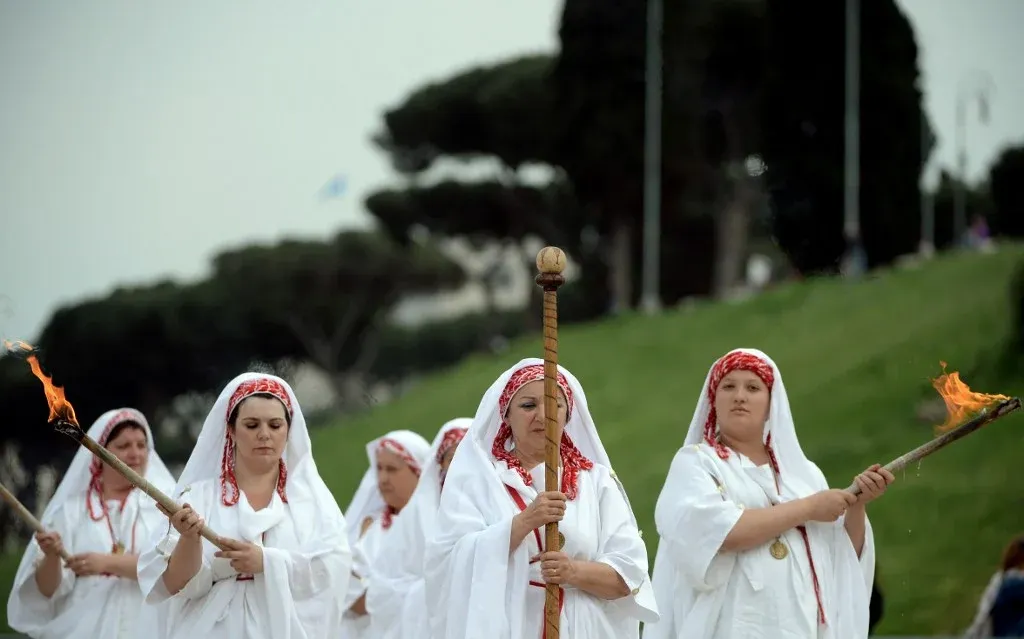
Romulus founded Rome on the Palatine Hill and became the first king.
Although historians dispute almost every element of this story, this is the version that the ancient Romans told about their city.
They also fixed the events to a specific day: April 21, which is the date mentioned by the Roman poet Publius Ovid Naso in his 'Os Fastos' (Fasti), a literary account of the origins of several Roman festivals throughout the year.
It appears that the Roman emperors co-opted an agricultural festival previously held on April 21, which saw shepherds symbolically 'purifying' their sheep in honor of the cattle god, Pales.
Known as Parília, the ritual had shepherds ask forgiveness for any accidental offenses they and their flock might have given the god, such as trespassing on sacred lands, then make offerings and finally leap through the purifying flames of a sacred bonfire.
As Rome grew into a metropolis, its rulers revamped the Parília and transformed it into a celebration of Rome's legendary origins as a way to unite Romans behind the city's old and new identities. Julius Caesar introduced games; Caligula added a procession of the city's great and good.
Over the years, April 21st has gone from an agricultural festival to the stately dies natalis Romae, or 'Rome's birthday'.
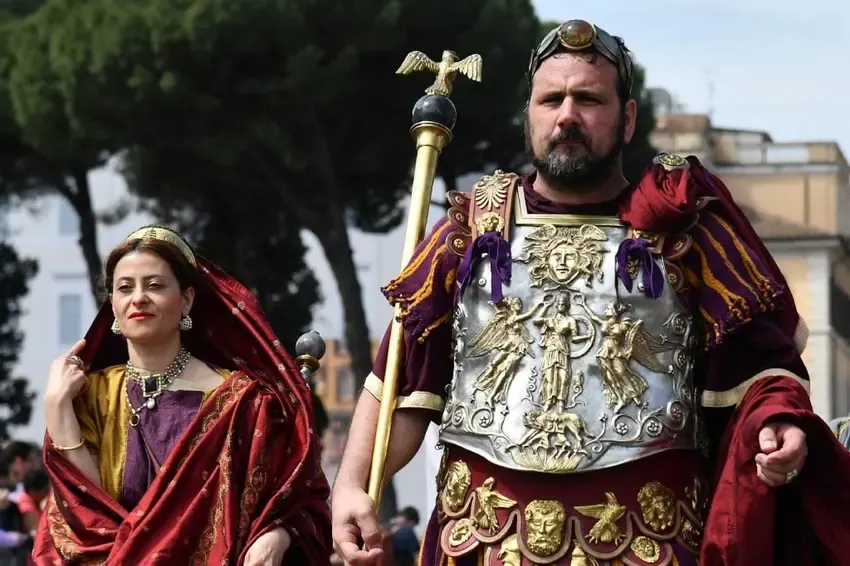
As for the year of Rome's birth, ancient historians dated it to 753 BC (although archaeologists have found traces of much older settlements on the Palatine Hill and surrounding areas).
Writing in the 1st century BC, Marco Terêncio Varrão identified this date from available records and established it as the starting point of Roman chronology: the years were later measured ab urbe seasoned, or 'from the founding of the city', making 753 BC the year AUC 1.
This timeline will make Rome celebrate 2.777 years this Sunday, April 21, 2024.
FOLLOW ITALIANISM