




































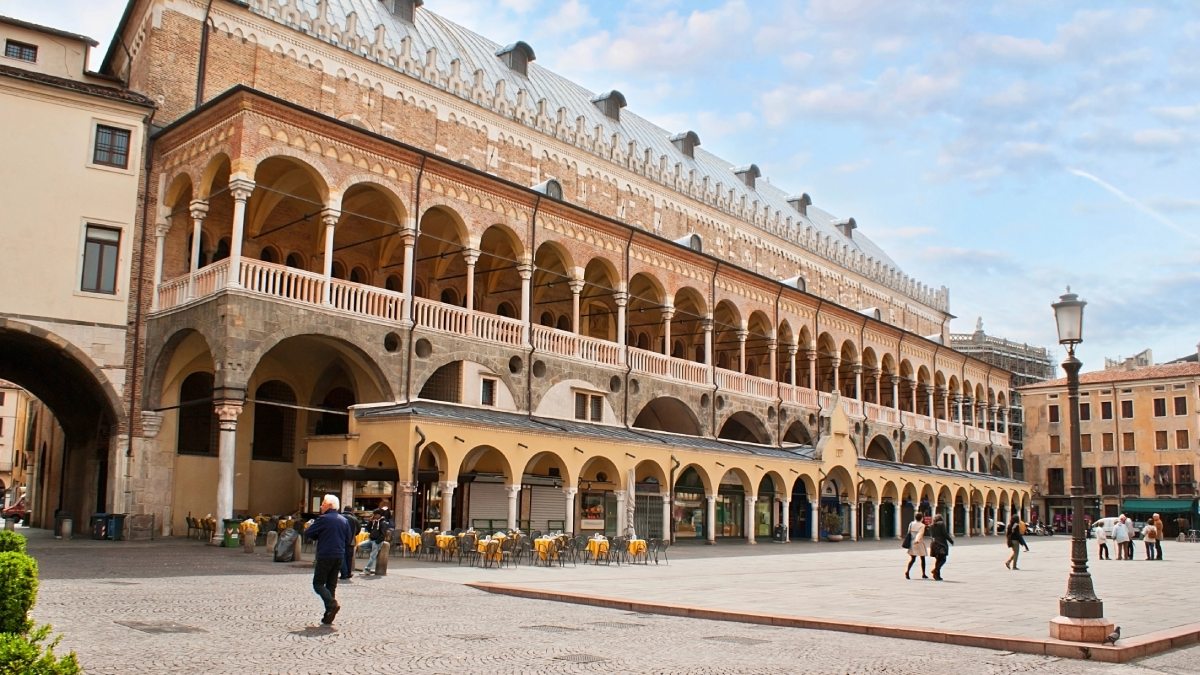
The city of Padua, in Veneto, has become an emblematic case of the impacts of new italian budget law, which authorizes municipalities to charge for genealogical certificates and research. From 2025, the amounts can reach €300 per document, depending on the period and complexity of the search.
This policy has generated intense criticism among descendants of Italians who seek recognition of citizenship iure sanguinis.

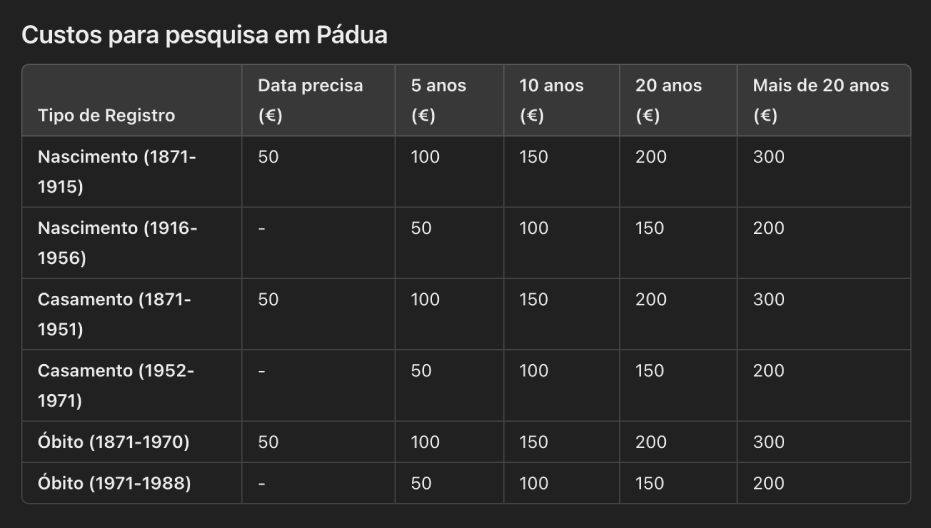
According to the rules established by the Municipality of Padua, searches in historical records of the Civil Status, covering events such as birth, marriage or death, are taxed according to the following table:
Bureaucracy and high costs
In addition to the high costs, the Comune of Padua does not refund the amount paid in the event of unsuccessful searches. Therefore, even if the requested document is not found, the applicant loses the amount invested.
Payment must be made via the system PagoPa, and the confirmation is indispensable requirement for starting research. The guidelines are on the website: Municipality of Padua.
Historical and social impact
Padua, like many other Italian comuni in Veneto, holds essential civil records for millions of descendants around the world. However, the lack of digitalization of documents and the increase in fees represent a significant challenge, especially for people with fewer resources.
The fees charged for periods of more than 20 years, which can reach €300, make the process inaccessible for many. In addition, the deadline for issuing documents, set at up to 180 days, maintains bureaucratic obstacles.
Paths to citizenship
While the measure is in effect, descendants interested in Italian citizenship will need to plan financially to cope with the high costs. Alternatives such as searching records in parish or state archives, such as the Diocese and State Archives of Padua, can be considered for events prior to 1871, which are not available in these archives. municipalities.
The increasing commodification of access to Italian citizenship in Padua is a worrying reflection of what could become a nationwide trend. This practice distances Italy from its descendants around the world and jeopardizes its shared cultural heritage.
FOLLOW ITALIANISM