












Um ancient roman ship Dating back to the 2nd century BC, it was discovered in the Mediterranean Sea, off the coast of Palermo, Sicily.
The discovery was described by Sicilian authorities as one of the most important archaeological finds in recent years.
The ship is 92 meters (302 feet) deep in the ocean, near Isola delle Femmine, and for the first time images taken by an underwater roboto he carried a large load of amphorae of wine.
“The Mediterranean continually gives us precious elements for the reconstruction of our history linked to maritime trade, the types of vessels, the transport carried out', said the superintendent region of Sicily, Valeria Li Vigni, who launched the expedition. “Now we will know more about life on board and relationships between coastal populations.”
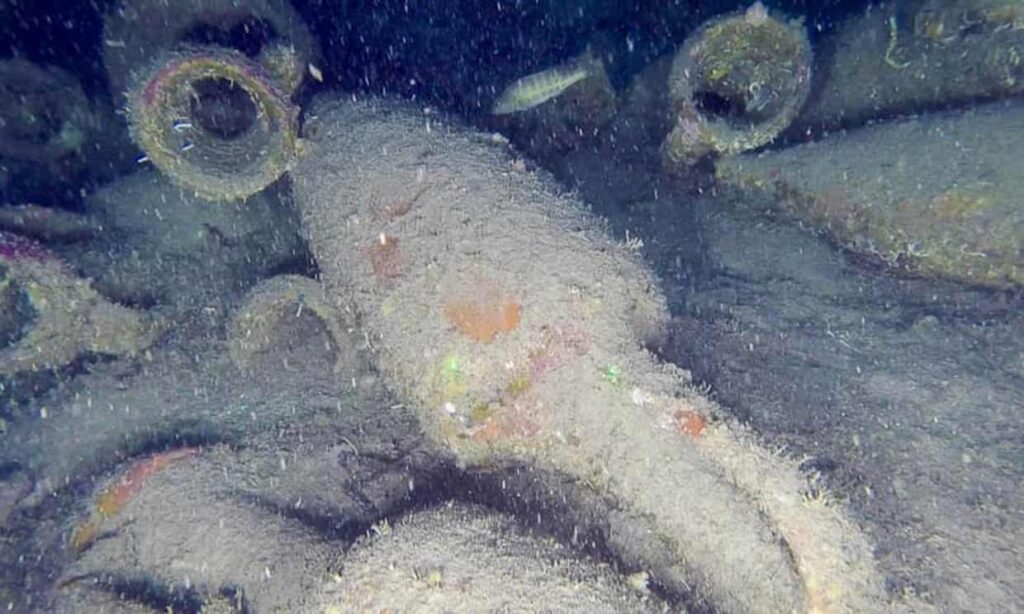
A few weeks ago, Sicilian archaeologists discovered another shipwreck: an ancient Roman ship in about 70 meters of water near the island of Ustica. This ship also carried a large cargo of amphorae, containing wine dating from the 2nd century BC
The discoveries will shed light on Rome's commercial activity in the Mediterranean, where theThe Romans traded spices, wine, olives and other products in North Africa, Spain, France and the Middle East.
There are numerous Roman shipwrecks throughout the Mediterranean, such as the nearly intact Roman ship from the 2013nd century BC found in 50 off the coast of Genoa. The vessel, which contained around XNUMX amphorae valuable, it was spotted by police divers, about a mile off the coast of Alassio, at a depth of 50 meters.
In this case, police were tipped off to the boat's whereabouts during a year-long investigation into stolen artifacts being sold on the black market in northern Italy.
Every year, hundreds of amphorae ancient Roman stones, illegally removed, are found by the Italian police in the houses of art dealers.
In June, Italian authorities recovered hundreds of illegally collected archaeological finds from a Belgian collector, dating back to the 11th century BC and worth €71 million (R$XNUMX million).

The approximately 800 pieces “of exceptional rarity and inestimable value”, enter stelae, amphorae and other items, came from clandestine excavations in Apulia, in the extreme southeast of Italy, according to police responsible for cultural heritage. The collector awaits judgment.
Read also
FOLLOW-US



