





































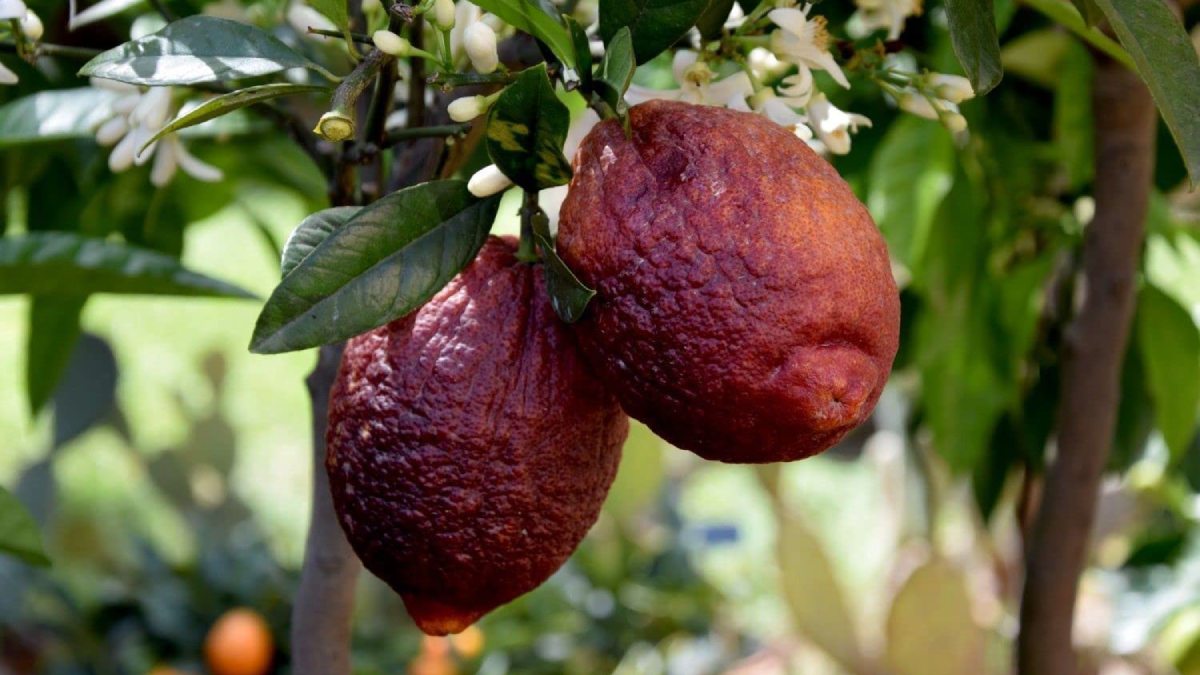
An internet sensation, the red lemon, also known as Citrus limonimedica pigmentata, is an unusual citrus fruit with an intense color and mild flavor.
Considered a rarity in Italian fruit growingIt stands out not only for its appearance, but also for the difficulties in marketing it. After ripening, the fruit remains viable for only three days.

Origin and characteristics
The origins of the red lemon are not yet fully known. It is believed to have arisen from natural crossbreeding between citrus varieties. Its characteristic color is a result of the presence of anthocyanins, natural pigments also found in fruits such as grapes and blackberries.
The peel of the red lemon varies between shades of reddish-orange and dark red, depending on the climate and stage of ripeness. The pulp has light pinkish hues. The flavor is sweeter and less acidic than that of the traditional lemon, with a delicate aroma and fruity notes.
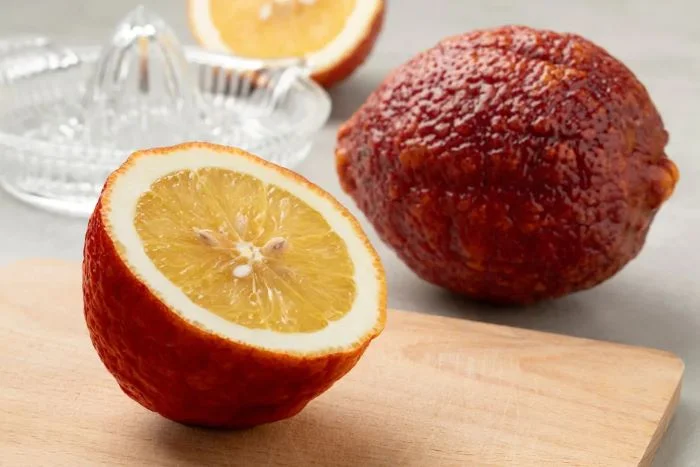
Why is it so rare?
The main reason for its rarity lies in its durability. While common lemons withstand transport and storage well, the red lemon has a very short shelf life after ripening. In two or three days, it already begins to lose quality. This makes its large-scale distribution unfeasible.
For this reason, many lovers of exotic plants and fruits choose to grow red lemons at home, either in the garden or in pots on the balcony. The plant is easy to grow and produces aromatic and visually striking fruits.
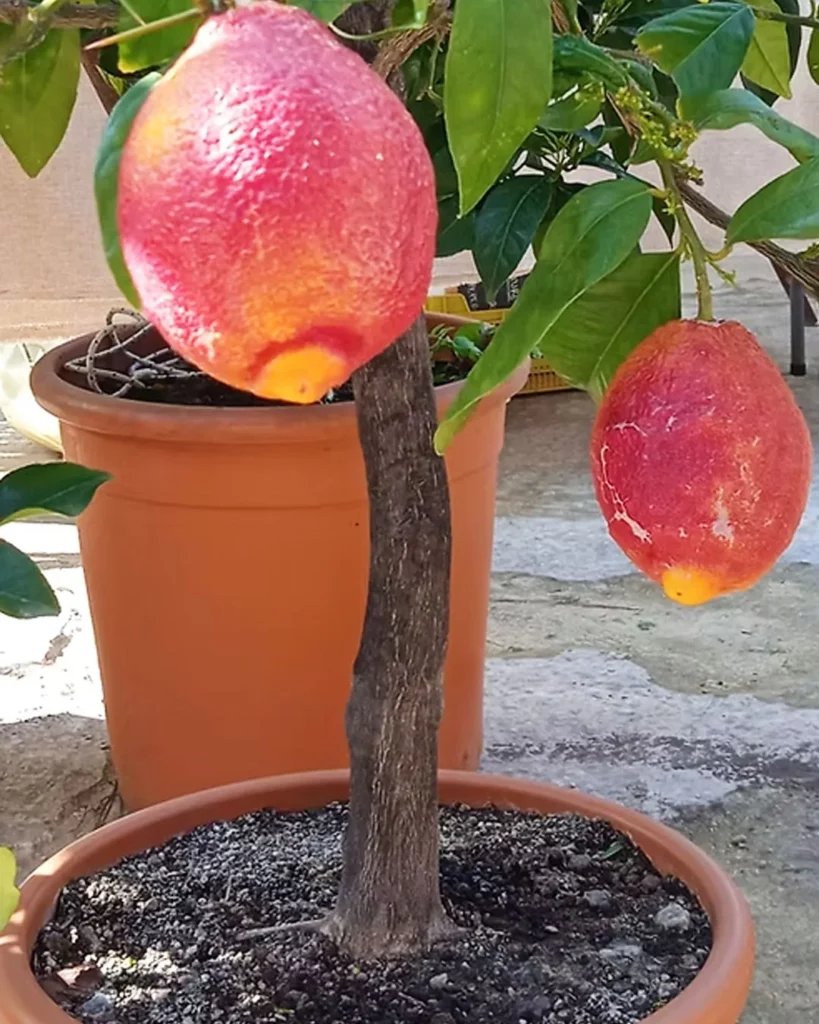
Differences from regular lemons
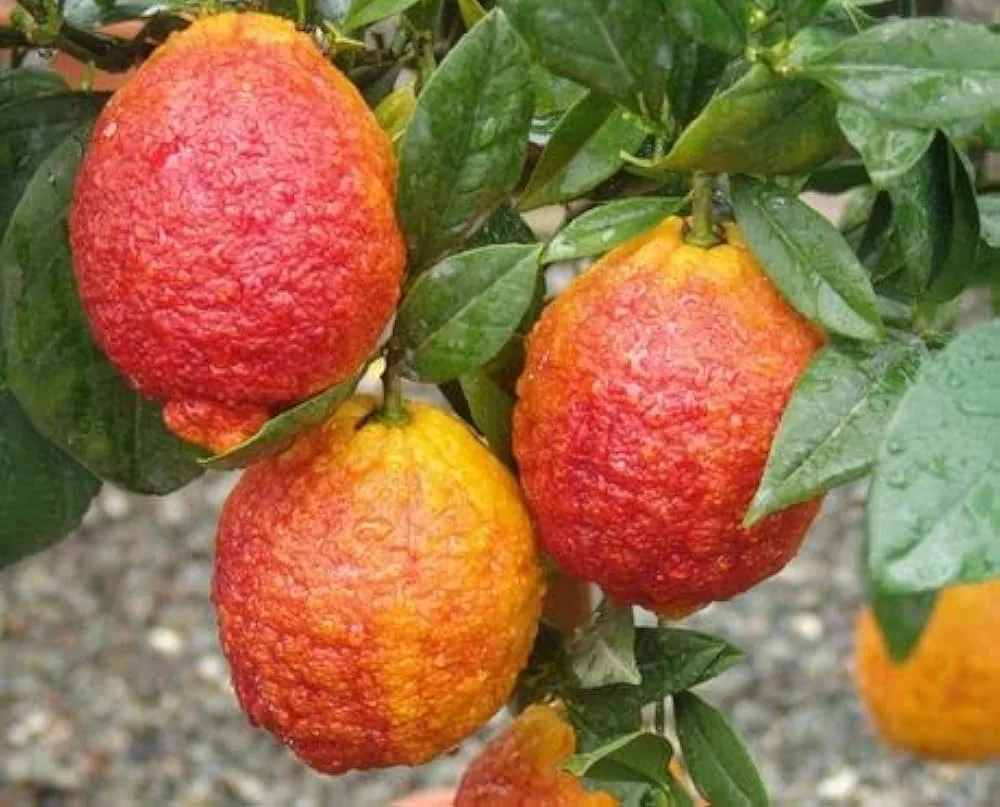
The most visible difference is the color of the shell. red lemon It has a reddish hue, while the traditional lemon is yellow. Furthermore, its acidity is lower and its flavor is sweeter. The peel of the red lemon is rich in essential oils, widely used in gastronomy and in the artisanal production of liqueurs and sweets.
Use in the kitchen
With its mild flavor and striking appearance, the red lemon is versatile. It can be used in juices, cocktails, desserts, sauces, and infusions. The peel can also be used to decorate dishes and drinks. In local markets in Sicily and in some gourmet restaurants, the fruit is beginning to gain popularity.
health benefits
Rich in vitamin C, flavonoids, and antioxidants, red lemon contributes to strengthening the immune system and helps fight free radicals. It is also indicated to stimulate digestion.
Connection with Sicily
The red lemon is mainly cultivated in specific areas of Sicily, such as the province of Syracuse. It is considered one of the many expressions of the region's agricultural biodiversity. Its aroma evokes the Mediterranean climate, and its history is linked to... Sicilian agricultural tradition.
The red lemon is still relatively unknown outside of specialized circles, but it has been gaining ground with the increased appreciation for products with controlled origins and from small producers. For those seeking unique ingredients, it's a worthwhile discovery.