






































Italian researchers have discovered a new gene responsible for Alzheimer's disease, a progressive and fatal neurodegenerative disease that causes deterioration of memory and the cognitive system.
The discovery is the result of a collaboration between several research groups in Italy that have been studying the genetic causes of Alzheimer's for years, coordinated by the Molinette Hospital in Turin, and was published in the scientific journal Alzheimer's Research & Therapy.

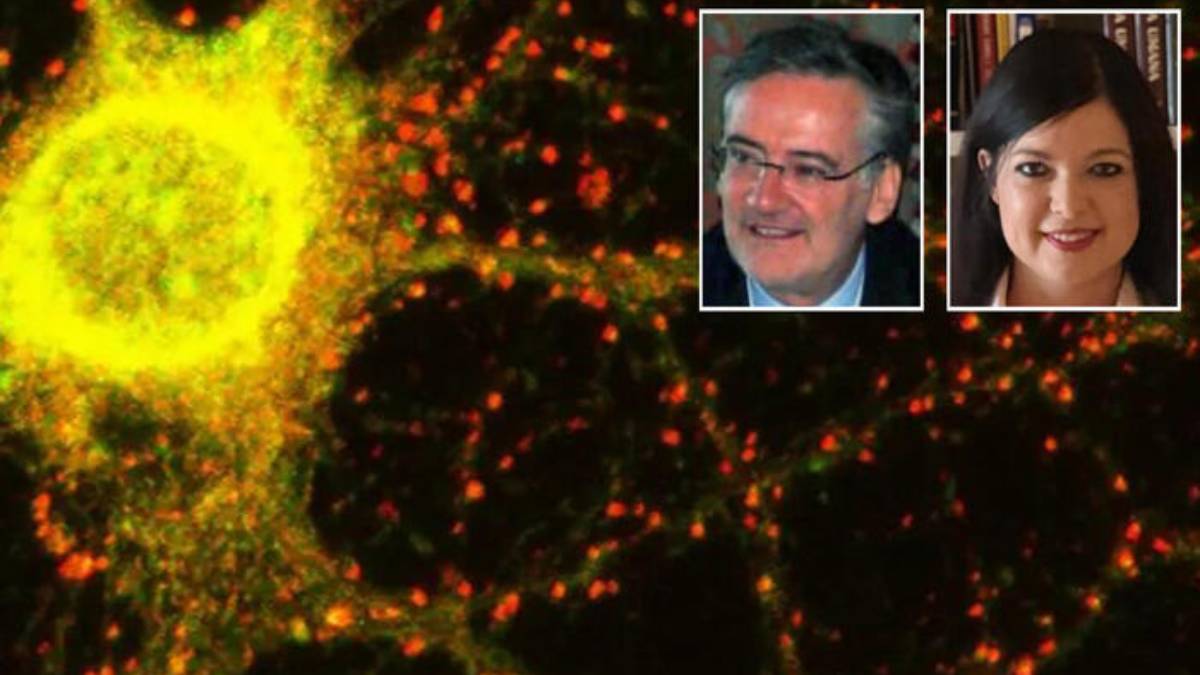
The work “suggests the role of rare genetic mutations also as a cause of the disease in old age”, explains Innocenzo Rainero, director of the Alzheimer's and related dementia center at Molinette and the University of Turin.
The scientific group, coordinated by Elisa Rubino, a researcher at the hospital, followed an Italian family with senile-onset Alzheimer's for several years, discovering that the disease was caused by mutations in Grin2C, a gene that encodes a subunit of the NMDA glutamate receptor, which plays an important role in neurotransmitter functions, including memory.
“Until now, rare mutations in the PSEN1, PSEN2 and APP genes were known to cause Alzheimer’s disease, mainly in pre-senile age,” comments Rainero, who had already contributed to the identification of PSEN1 in 1995.
“We expect that Grin2C is a very rare cause of Alzheimer’s,” explains Rubino, emphasizing, however, that “the most significant aspect of the research is the confirmation of the role that excitotoxicity mechanisms [damage to neurons due to excessive stimulation of neurotransmitters] related to glutamate may have in the development of the disease.”
“When glutamate interacts with the NMDA receptor in neurons, a channel opens, promoting the entry of calcium ions. If this stimulus is excessive, it causes intense excitation of the neuron, which leads to cell death,” says the researcher.
According to scientists, it is interesting to note how, even before the development of cognitive deficit, patients carrying the mutation presented a depressive-type mood disorder for years.
The new study, they said, “will require the development of new drugs capable of reducing brain excitotoxicity” caused by the amino acid glutamate “to slow the progression of this dramatic disease.”
Alzheimer's is the leading cause of severe cognitive deficits and has become one of the biggest health problems in old age worldwide.
Scientific research shows that the disease is the result of a complex interaction between genetic and environmental factors, such as hypertension, obesity, diabetes, depression and social isolation, which favor the deposition in the brain of two toxic proteins, beta amyloid and tau, both responsible for neurodegeneration. (HANDLE)
FOLLOW ITALIANISM