



























February 26th marks World Pistachio Day, an occasion dedicated to the small fruit also known as “green gold” and which in recent years has seen an explosion in popularity in countries such as Brazil and Italy.

Composed of 50% sugars and fats, this ancient nut – there is evidence of it even in Prehistoric times – and native to the Mediterranean basin is increasingly used by chefs and confectioners to create sweet and savory recipes.
The arrival of the pistachio in Italy, witnessed by Pliny the Elder (23 AD – 79 AD), in his work “Historia Naturalis”, occurred around the 20s and 30s of the Common Era, after the conquests in Asia of the then Roman governor in Syria, Lucio Vitellio, who took the plant to the Italian Peninsula and Spain.

Currently, one of the best pistachios in the world is produced in Bronte, a region at the foot of Mount Etna, in Sicily.
Few people know, however, that pistachios (from the Greek “pistàkion”) have many beneficial properties and are a powerful ally for health. In the past, the fruit was used to treat poisonous snake bites or as an aphrodisiac, and today we know that, like many other nuts, they contain nutrients that are useful for the immune system, such as polyphenols, zinc, copper, iron and vitamins.
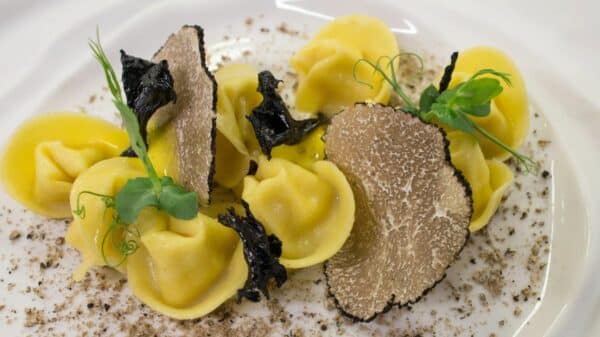
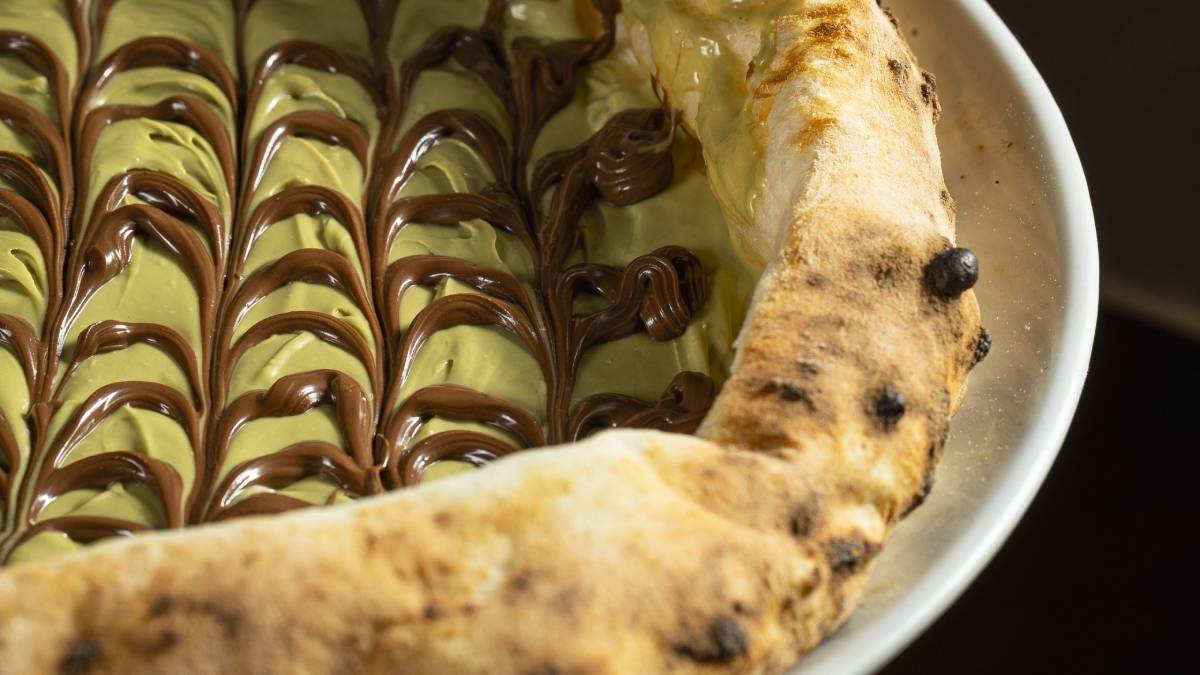
Chefs today use pistachios in all their forms, such as paste, grains, flour and raw, due to the versatile and persistent flavor of the nut, which makes it ideal for both savory and sweet dishes. (HANDLE)
FOLLOW-US