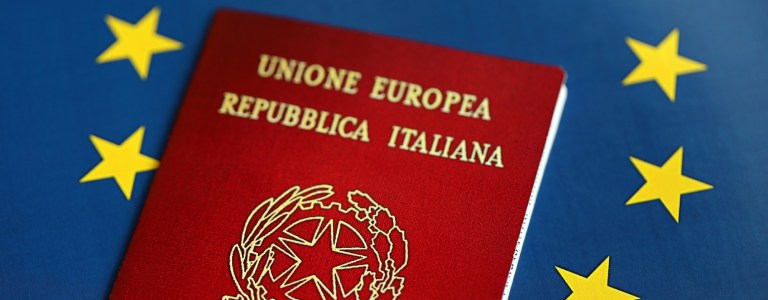

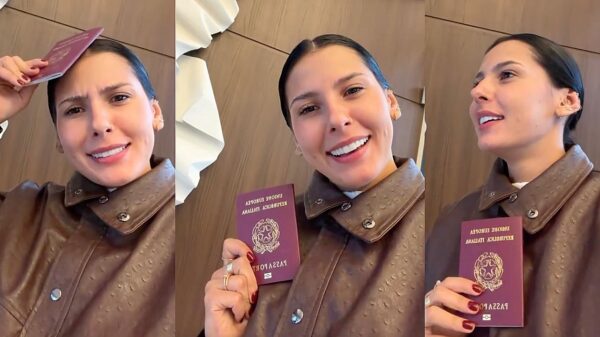
































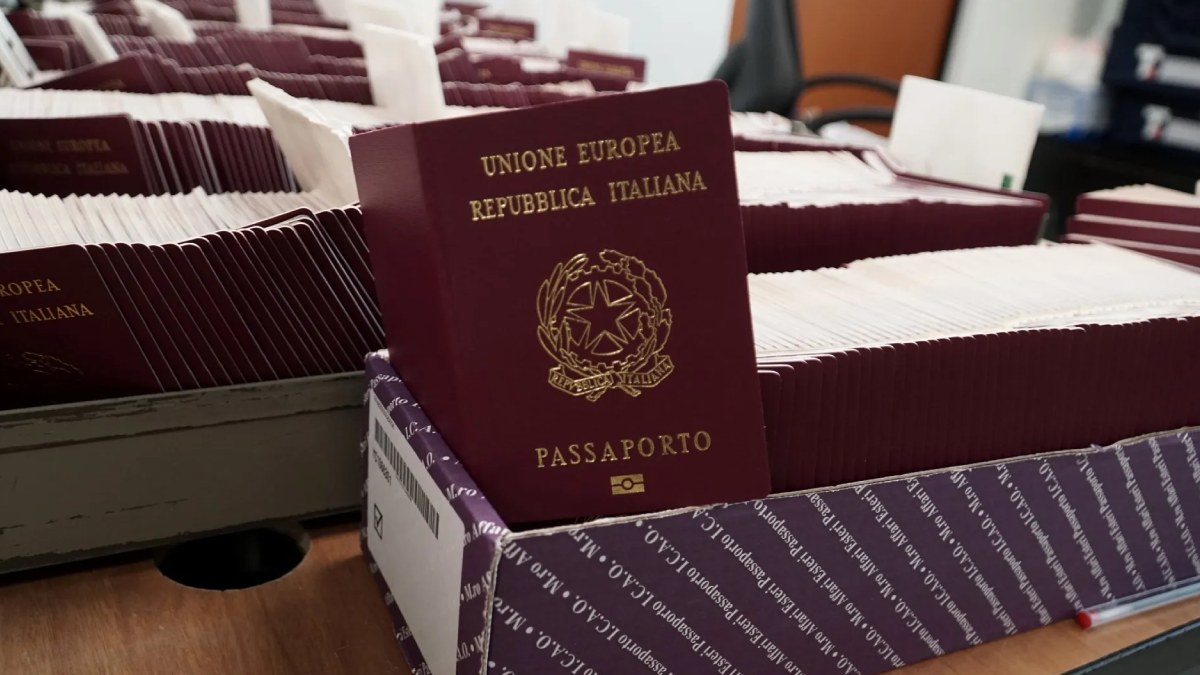
The Italian Consulate in São Paulo has been the target of constant criticism due to the difficulty in scheduling passport appointments, especially for new applicants. The wait can extend for almost a year, generating dissatisfaction and a feeling of abandonment among applicants.
In recent years, the consulate has tried to adopt several measures to improve service.
During the pandemic, a scheduling system via WhatsApp was implemented. Later, this solution was replaced by the Prenot@mi platform, which promised greater efficiency. In 2025, a new attempt was made with the creation of the system “Click Day”, in which all vacancies for the month are released at once on a specific date.
Despite these efforts, complaints persist. Many criticize the lack of transparency and the feeling of being in a kind of “lottery,” with no guarantee that they will receive assistance.
Portugal's model stands out for its transparency
While the system used by the Italian consulate in São Paulo has been widely criticized, the model adopted by the Italian Embassy in Lisbon provides an example of how transparency can be an effective solution. There, when requesting an appointment, the applicant receives an automatic message informing them of their position in the queue, such as: “There are currently 287 people in line ahead of you”.
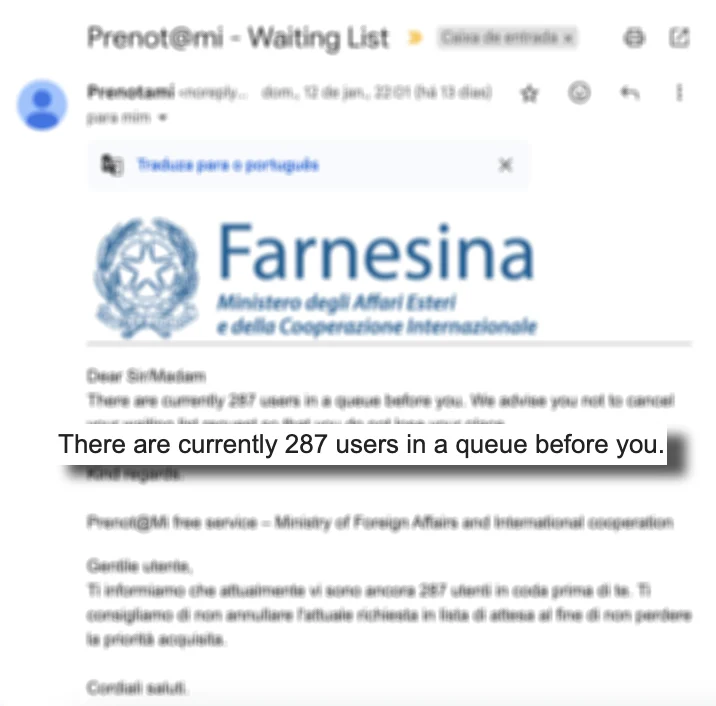
In addition, the Portuguese-Italian system sends regular updates by email, informing the progress in the queue and allowing the citizen to track the progress. This clear communication helps to reduce anxiety and feelings of neglect.
Need for clarity in Brazil
For experts, the Italian consulate could benefit from a similar system, already made available by the Farnesina (the Italian Ministry of Foreign Affairs), capable of bringing more predictability and confidence.
“Informing the applicant how many people are in front of them in the queue, regardless of whether it is 1.000 or 10, would eliminate the feeling of uncertainty,” says Reginaldo Maia, from Blessed Citizenship, a consulting firm specializing in Italian citizenship.
According to him, with clearer communication, citizens would have concrete expectations: “even if the wait is long, there would be guaranteed progress. In the current system, however, the lack of concrete information fuels the feeling of neglect.”
“Transparency is essential for the public to feel that the process, even if it takes time, is fair and accessible. Without it, frustration tends to grow, as does criticism,” Maia concludes.
What the consulate says
According to the consulate, despite the criticism, the passport sector reached a historic milestone in 2024, with the issuance of 38.695 documents. This number represents a 15% increase compared to 2023, which had already been a record year.
The unit remains the second largest consulate in the world in terms of the number of passports issued, reinforcing its importance and the high demand for consular services in the region.
FOLLOW ITALIANISM