





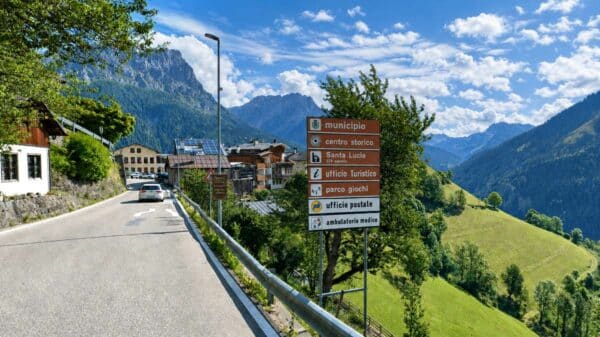













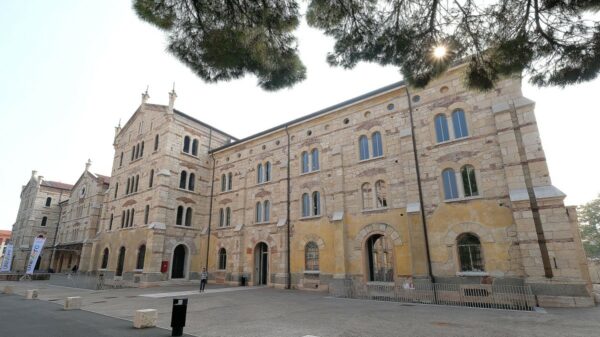
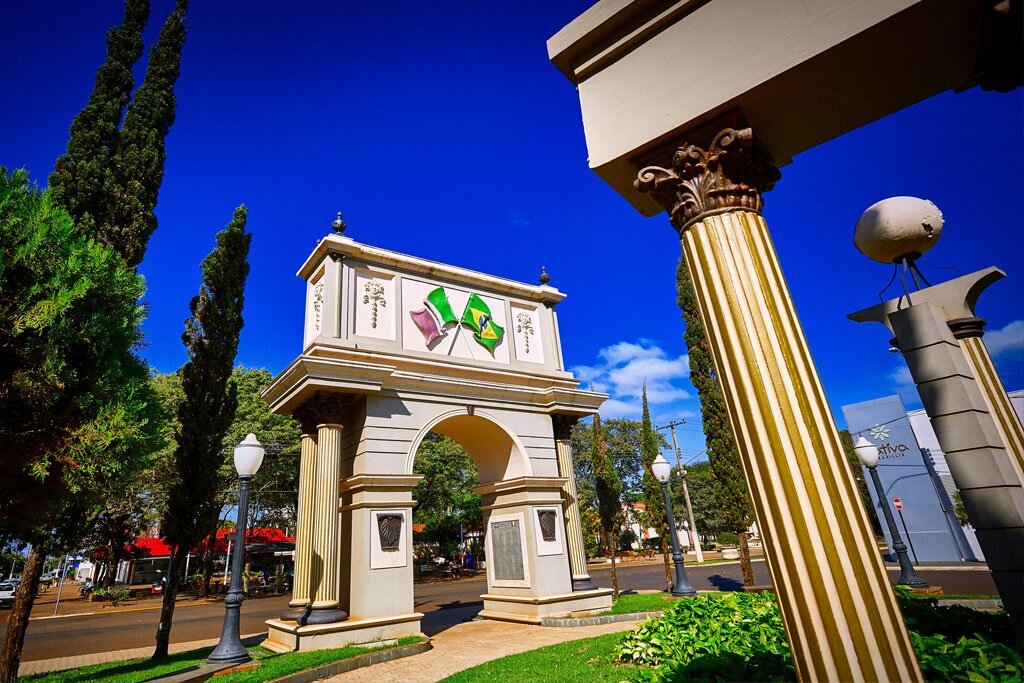
Considered by residents as the “Brazilian Rome”, the city preserves the culture and traditions of Italian colonization
Pedrinhas Paulista, located in the interior of São Paulo state on the banks of the Paranapanema River, holds the title of Municipality of Tourist Interest (MIT). Due to the influence of Italian colonization on its architecture, residents consider the city to be the "Brazilian Rome".
The location receives more than 11 thousand tourists per year and is known for cultural, artistic and folklore activities. The municipality is located in the southwest region of the state, 480 km from the capital.
Read also Did you know that there are more than 350 thousand different Italian surnames?
The city has a humid subtropical climate and an estimated population of 2.940 inhabitants, according to the 2010 Census by the Brazilian Institute of Geography and Statistics (IBGE). The economy is essentially agricultural, supported primarily by the cultivation of soybeans, corn and dairy herds.
History
Italian immigrants founded Pedrinhas Paulista in 1952, led by Father Dom Ernesto Montagner, a parish priest considered responsible for the success of colonization. Many families thought about giving up and leaving due to difficulties in adapting and were convinced by the religious to change their minds.
Read also To much booing, Mahmood is the winner of the 2019 Sanremo Festival
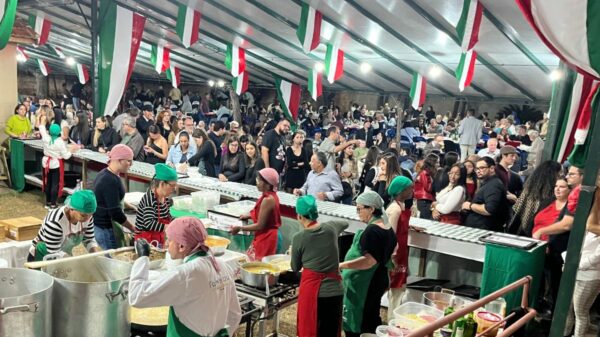
The priest believed in colonization as the only alternative for those people to start a new life. Emancipation was in 1991, after a strong movement by residents. The maintenance of Italian culture and traditions is one of the city's hallmarks, as is the occasional use of the original language in conversations.
The teaching of Italian is even part of the curriculum in Elementary School. In addition to the folk dance groups, which involve teenagers, young people and the elderly, the festivities are also regional attractions, with emphasis on São Donato, the city's patron saint.
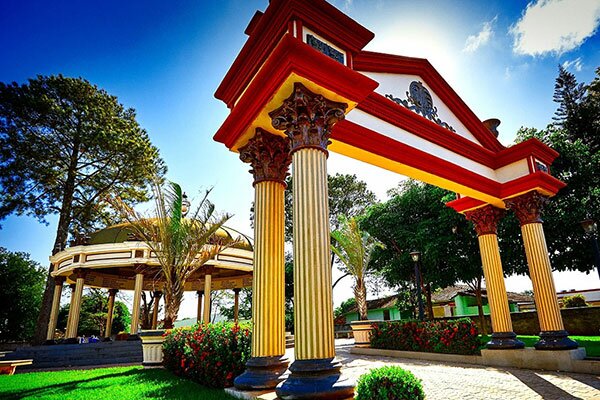
The main tourist attractions in Pedrinhas Paulista are the Entrance Portal, the Immigrant Memorial, the Church of São Donato, the Pioneers Museum, Roma Square, the Municipal Forest, the Fiftieth Anniversary Bell, and the Municipal Cinema-Theater, among others.
FOLLOW ITALIANISM