











The increasingly warm winter in Europe has changed the marine ecosystem on the continent.
Proof of this is the imbalance caused on the Italian coast by the greater presence of pink shrimp in Sicily and the smaller quantity of fish in the Ionian Sea.
Furthermore, the climate crisis has also contributed to the reduction in the size of some species, such as sardines in the Adriatic Sea and anchovies in the Tyrrhenian Sea.
The data comes from a confederation of fishermen's cooperatives (Confcooperative Fedagripesca), which carried out the survey for ANSA, and also points to the invasion of more than 200 species from outside, ranging from the blue crab to the fireworm, which, with an increasingly warm winter, find a new home in the Mediterranean.
The association estimates that, by 2050, more than 30% of fish, molluscs and crustaceans in the Mediterranean region may not be native, a scenario that directly affects the fishing sector.
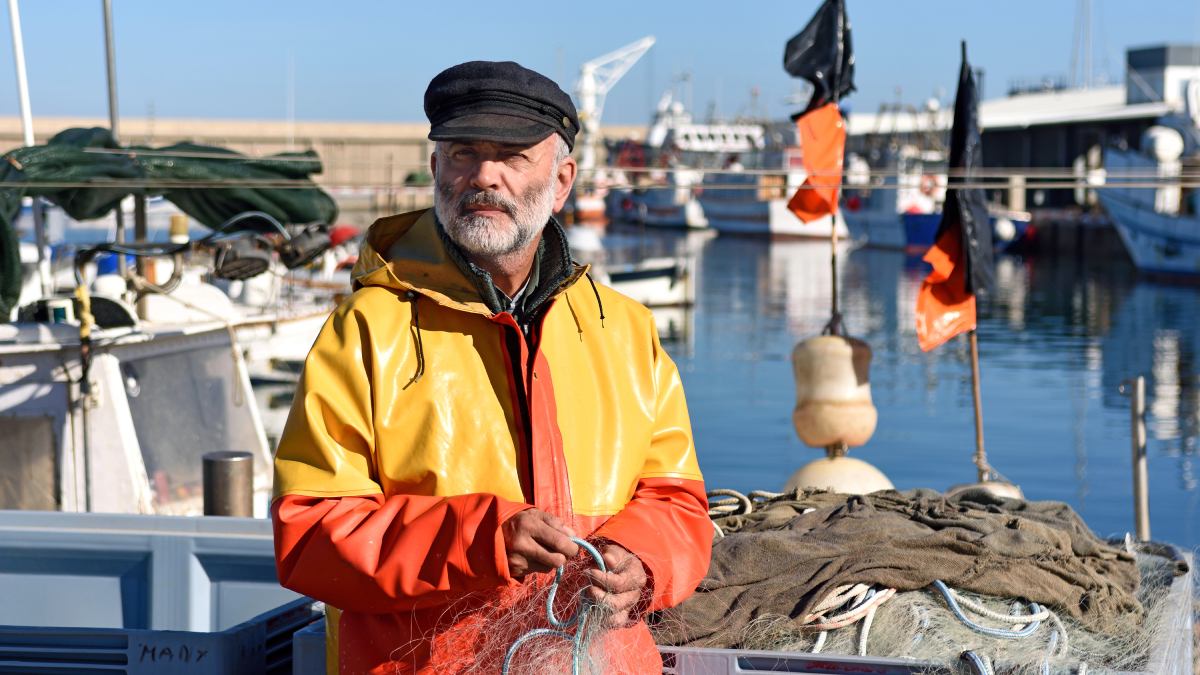
“Unseasonal heat and increasingly common extreme weather events are damaging the productivity of fishing companies, with losses of up to 50% in terms of working days and up to 70% in income losses,” says Paolo Tiozzo, vice-president of Confcooperative Fedagripesca.
Furthermore, global warming has led to more intense algae proliferation and mucilage (a viscous secretion produced by algae and plants), causing problems for fish and fishing gear. (HANDLE/Photo | Photo: Depositphotos)