























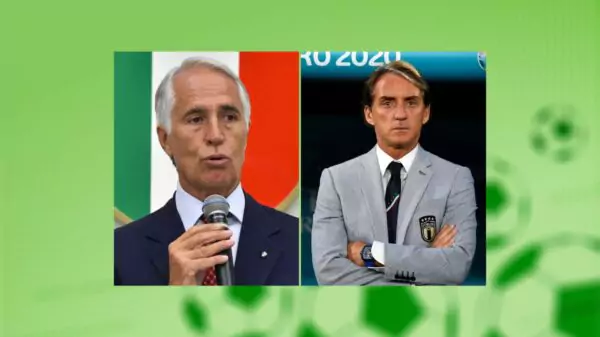



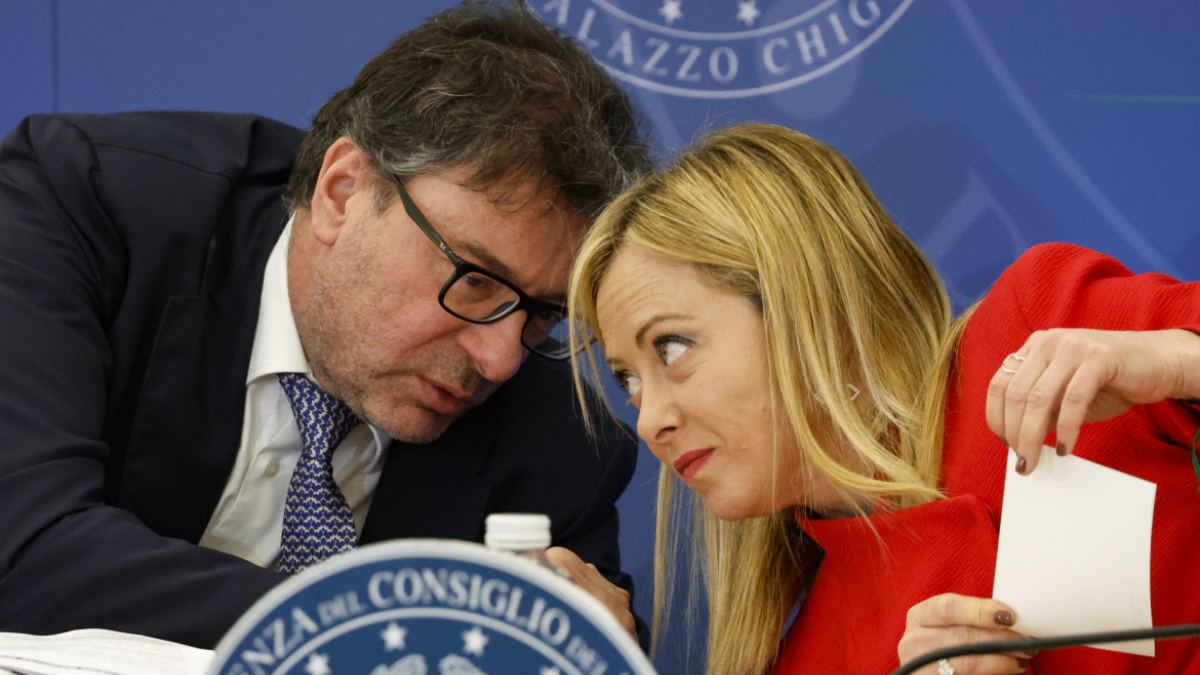
The Italian Minister of Economy and Finance, Giancarlo Giorgetti[Name], warned government members about the risk of the country entering a recession in 2026. The warning came during a dinner, following assessments of the energy crisis caused by... war in Iran.
The pessimistic outlook intensified after the failure of ceasefire negotiations between the United States and Tehran. According to the Ansa news agency, if the energy crisis is not resolved quickly, Italy's Gross Domestic Product (GDP) could fall next year.
The Italian economy is showing a steady slowdown. Growth was 3,7% in 2022, 1% in 2023, 0,7% in 2024, and 0,5% in 2025. For 2026, the OECD estimates growth of only 0,4%, below the 0,8% initially projected by the government.
Risk factors for the economy
Three main reasons underpin the fear of recession. Italy already has one of the lowest growth rates in the European Union. Furthermore, in August 2026, financing and construction sites for the project will end. National Recovery and Resilience Plan (PNRR).
The country is also highly exposed to fluctuations in fossil fuel prices, especially natural gas. The historical lack of investment in nuclear energy, or more recently in renewable sources and storage systems, exacerbates energy dependence.
Suspension of the Patto di Stabilità
To address the crisis, the Italian government intends to request that the European Union suspend the Stability pactThe rule establishes limits for the indebtedness and deficit of member states. Currently, Italy is already in breach of several points of the agreement.
The intention is to obtain authorization to increase deficit spending. With the suspension of the rules, the government could accumulate more public debt to finance measures against rising prices and stimulate economic growth in the face of the crisis in the Middle East.