






































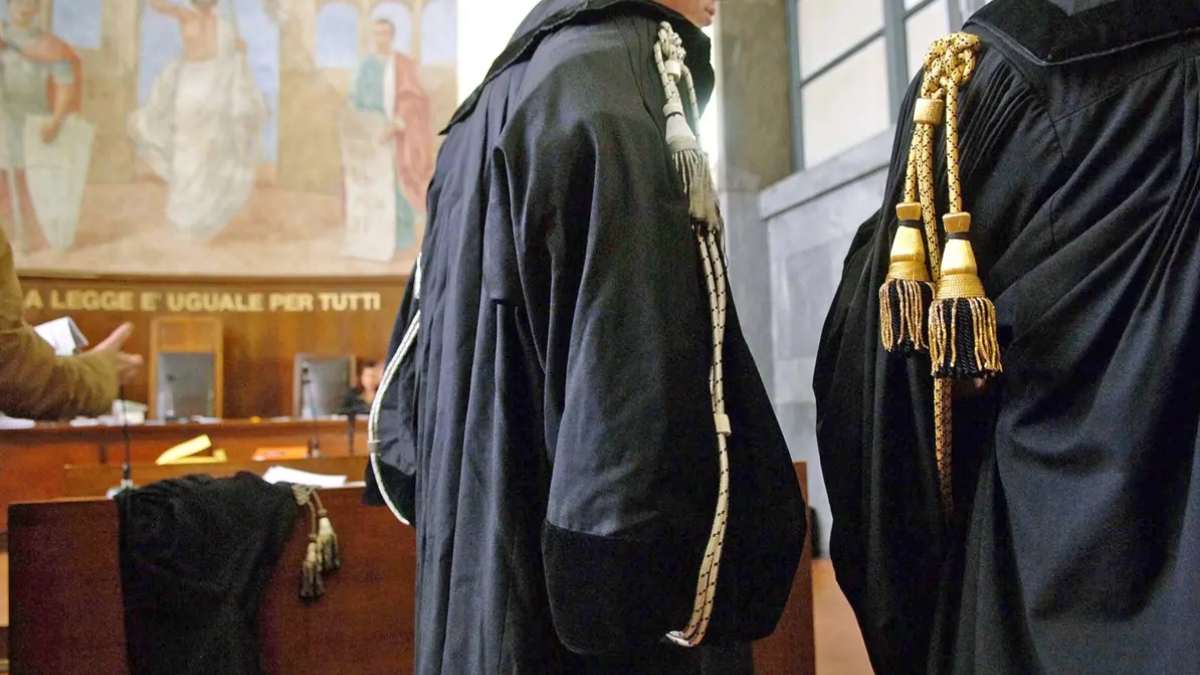
The Venice Court has launched a task force to deal with the backlog of 19.003 cases related to Italian citizenship by descent.
This measure responds to the goal of the National Recovery and Resilience Plan (PNRR). which requires a 90% reduction in pending cases by June 30, 2026 — and meet the European Union target
The reinforcement includes 22 judges assigned to work remotely, in support of the 15 permanent magistrates of the Immigration section. Each judge is expected to issue at least 50 rulings per month, although most will be written outside of Venice, in cities such as Turin, Florence, and Crotone.
Tight goals
The decision comes after it was found that the Venetian court is one of the most overburdened in Italy. It is estimated that 80% of civil cases deal with immigration-related issues, such as citizenship applications. jus sanguinis — a right transmitted through descent.
Although the Tajani Decree restricted the criteria for the recognition of citizenshipHowever, the number of cases has not been reduced proportionally. According to the Justice Ministry's annual report, the average time to complete cases fell by only 20,1%, half of the target agreed with the European Union.
Responsibilities and structure
The judges serve in four distinct sections — First, Second, Business, and Labor. The names were selected by public notice from the Superior Council of the Judiciary, but Only 165 of the 500 professionals expected agreed to volunteer.
Each judge will also rule on civil cases related to their area of expertise, such as bankruptcies and inheritances. However, citizenship cases have priority, as they are considered "easier to resolve."
Complementary measures
Other strategies are being implemented to expedite the adjudication of cases. Among them is the replacement of in-person hearings with written statements, as provided for in the Code of Civil Procedure. This procedure is already in place in Venice, Brescia, Ancona, and Naples.
Also under consideration is the inclusion of justices of the peace—who act as honorary magistrates—in the review of these requests. This alternative depends on a new resolution recently approved by the Council of the Judiciary.