


























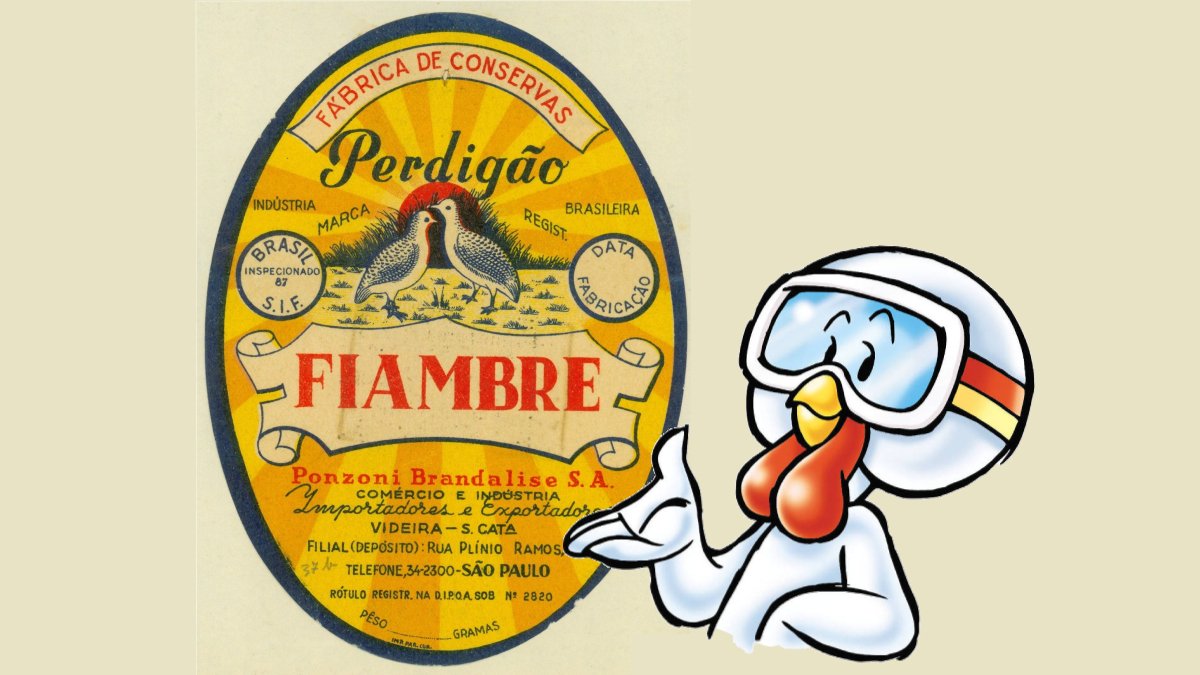
A Perdigão was founded in 1934 by the families Ponzoni e brandalise. In 2009, it merged with Sadia and today the two are part of the BRF Group.
This story is confused with the history of the occupation of western Santa Catarina, the result of the displacement of settlers descending from Italian immigrants and Germans from Rio Grande do Sul. In the early years of the 20th century, they sought new lands to settle down.

It was in this flow of settlers coming from Gaucho lands that the Italian immigrant families who founded Perdigão arrived in Peixe River Valley, in Santa Catarina. They were the brothers Angelo and Pedro Ponzoni and the Brandalise brothers: Giovanni, Ricardo, André David, Arthur, Guilherme, Abrão and Saul.
The Brandalises were children of Giovanni Riccardo Brandalise e Luigia Codogno, who arrived in Brazil from the region of Veneto. Born on August 29, 1870, Giovanni was born in the commune of Arsiè, in the province of Belluno.
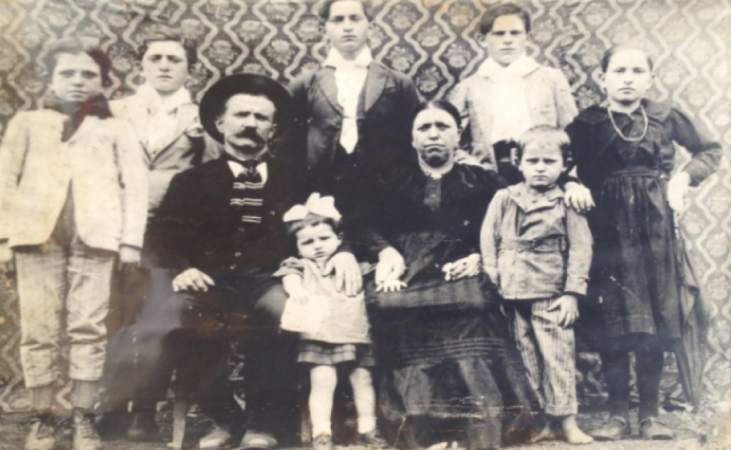
In 1920, part of the Brandalise family dedicated themselves to farming and other brothers installed a small wheat mill, in the current municipality of Tangua. In 1923, some of the Brandalises moved to the Perdizes Village, current municipality of Videoira, to work in a Dry and Wet store.
Families unite over lard
Meanwhile, the Ponzoni developed several businesses, such as a wholesale store and a small pig slaughterhouse, with the industrialization of derivatives, mainly lard.
In 1934, after much negotiation, the two families decided to combine their capital and form the company Ponzoni, Brandalise & Cia. Angelo and Pedro Ponzoni and the brothers André David, Arthur, Guilherme, Abrão and Saul Brandalise joined the company.
In the following years, Saul Brandalise would become one of the main directors of the company, which joined forces in 1939 with Frey & Kellermann, a pig slaughtering company that had been operating in Vale do Rio Peixe for ten years. With the merger, the Sociedade de Banha Catarinense Ltda.
In 1942, pig slaughter reached the level of 100 animals per day. This production required the first technological improvement of refrigerator equipment.
Perdigão diversifies its production
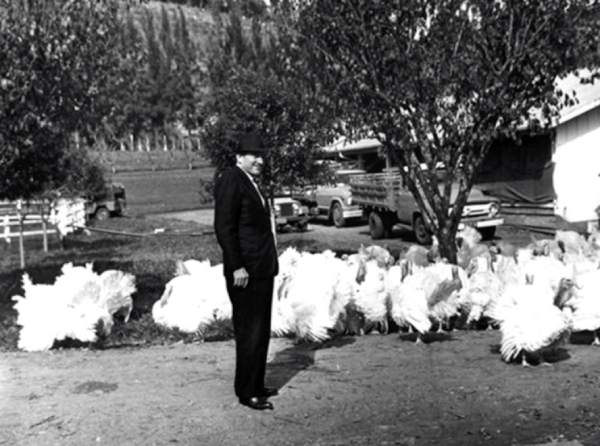
With the consolidation of commercial and pig processing activities, the company's investments began to be directed towards farming. It was then that construction began on the Granja Santa Gema, in Videira, focused on the production of high bloodline animalsIn 1954.
The following year, in 1955, the bird slaughter. The activity was carried out by hand in the pig slaughterhouse. In 1958 the company's corporate name was changed, which received the name of Perdigão SA Commerce and Industry.
The laboratories for microbiological and physical-chemical control of products in the industrial units were installed in 1963. These units were the embryos of the quality control quality Research and Development from the company.
The company also started to invest in health monitoring and treatment of poultry and pigs at all stages of their lives and throughout the entire production process.
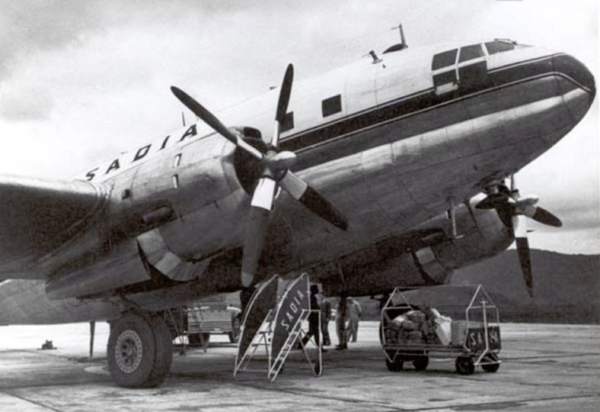
In 1975 the first exclusive slaughterhouse for birds. Thus, Perdigão became one of the pioneering companies in chicken meat export, heading to Saudi Arabia.
Habemus Chester!
The year 1979 marked the beginning of a major innovation for the company. With the aim of offering a differentiated alternative consumption of poultry meat, Perdigão imported the species from the United States Gallus Gallus. From then on, he began to develop a special bird, with the help of a genetic improvement program.
The brand was born Chester, with 70% of its meat concentrated in the breast and thighs. The Chester product line was officially launched in 1983, with the distinction of being products with low fat.
Still in the 80s, the company went public and began to sell shares in stock exchange. In 1989 the line was launched Monica's Gang, a pioneer in the segment of industrialized meat products with low seasoning. The following year, poultry slaughterhouses in Capinzal (SC) and Marau (RS) were approved to export to European Union.
In the 90s, the company suffered some losses, due to the increase in financial expenses and low investment in the development and dissemination of its products.
Perdigão passes operational control
In 1994, Perdigão began to be controlled by a pension fund pool. Since then, its management has been fully professionalized and is considered an example of expansion, innovation and solidity.
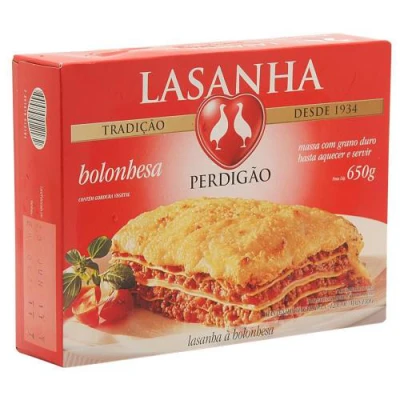
In 1999, the group entered the frozen ready-made pasta market with the line Touch of Flavor. The first product launched was the Lasagna Bolognese.
In the 2000s, Perdigão acquired 51% of the capital of Perdigão's meat products division. Batavia. A year later, it purchased the remaining 49%, preserving the brand Batavo. With this, the company entered the dairy products.
Perdigão was the first Brazilian food company to launch shares (ADRs) in New York Stock Exchange. In 2001, it was part of the first group of companies to join Level 1 of Bovespa Corporate Governance. In 2006, the company divested its shareholding control and joined the New Bovespa Market, highest level of Corporate Governance.
In 2009, Perdigão unified its operations with Sadia, which enabled the creation of Brazil Foods (BRF), one of the largest food companies in the world.
Sadia, also founded by Italians
Sadia was founded by another Italian immigrant, Attilio Fontana, in 1944, also in Santa Catarina, in the municipality of Concord. Gaucho Attílio Fontana was born in 1900 in Santa Maria do Boca do Monte.
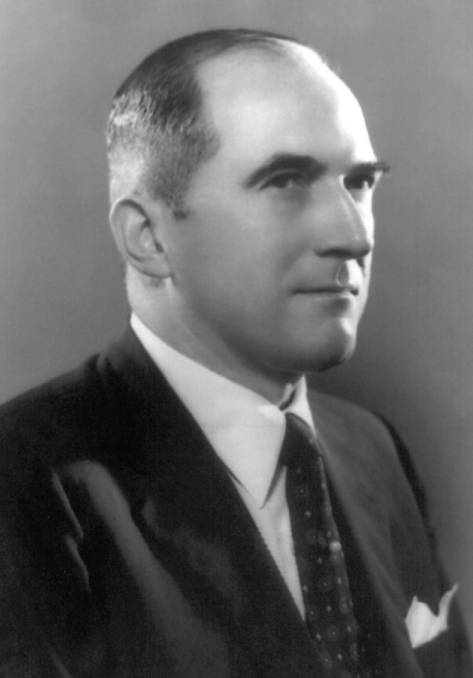
He was the eighth child of the couple's twelve siblings. Romano Fontana e Thereza Dalle Rive, who arrived from Italy at the end of the 19th century, coming from the region of Veneto, in Italy.
After getting married, Attílio moved to Santa Catarina, bought a refrigerator in difficulties, SA Industry and Commerce Concordia, and managed to lift the business, buying more machines from another bankrupt meatpacking company.
In six months, the slaughterhouse 200 pigs per day and Fontana changed the company's name using the initials of SA Indústria e Comércio with the final syllable of Concórdia: Sadia.
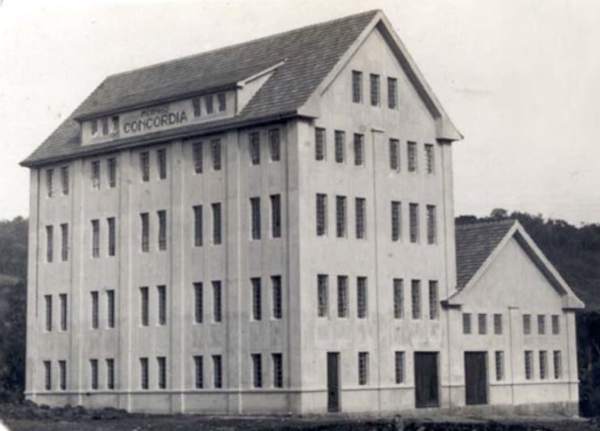
A modernization of the company came with the arrival of the chemical engineer victor fontana, nephew of Attílio, who brought hygiene and food preservation.
Career in politics
As the company grew, Attílio made solid career in politics. Was councilor and mayor of Concordia, from 1951 to 1954. Between 1955 and 1963, for two consecutive terms, he was deputy for Santa Catarina. Furthermore, Attílio was senator of the Republic, Secretary of Agriculture e vice-governor of Santa Catarina.
After Attílio's death in 1989, Sadia was managed by third generation of heirs. In 2007, after going through a crisis and being rebuilt by a pension fund, Perdigão, main competitor of the company, reached the market value of 4,6 billions of dollars, surpassing Sadia for the first time.
At that time, a large part of Sadia's profits came from financial market operations, while in other companies in the same sector the majority of the profit was operational. With finances increasingly in worse conditions, the merger with Perdigão was the solution found for avoid bankruptcy.
Empire has the mark of the work of Italians
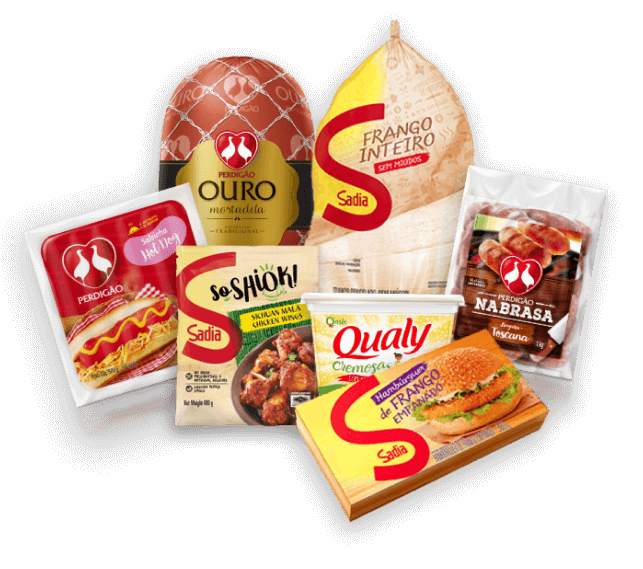
A Brazil Foods has more than 90 thousand employees and is present in more than 140 countries. Its product line includes poultry, pork, processed foods, pasta and pizza from brands such as Sadia, Perdigão and several other branches. The company's headquarters are in Itajai, Santa Catarina.
This is the unfolding of the arrival of yet another wave among many Italian immigrant families who helped to transform Brazil with his work at the beginning of the 20th century. men and women that, with persistence and entrepreneurial vision unique, built empires and helped build our identity.
By Roberto Schiavon/Italianism
FOLLOW ITALIANISM