



















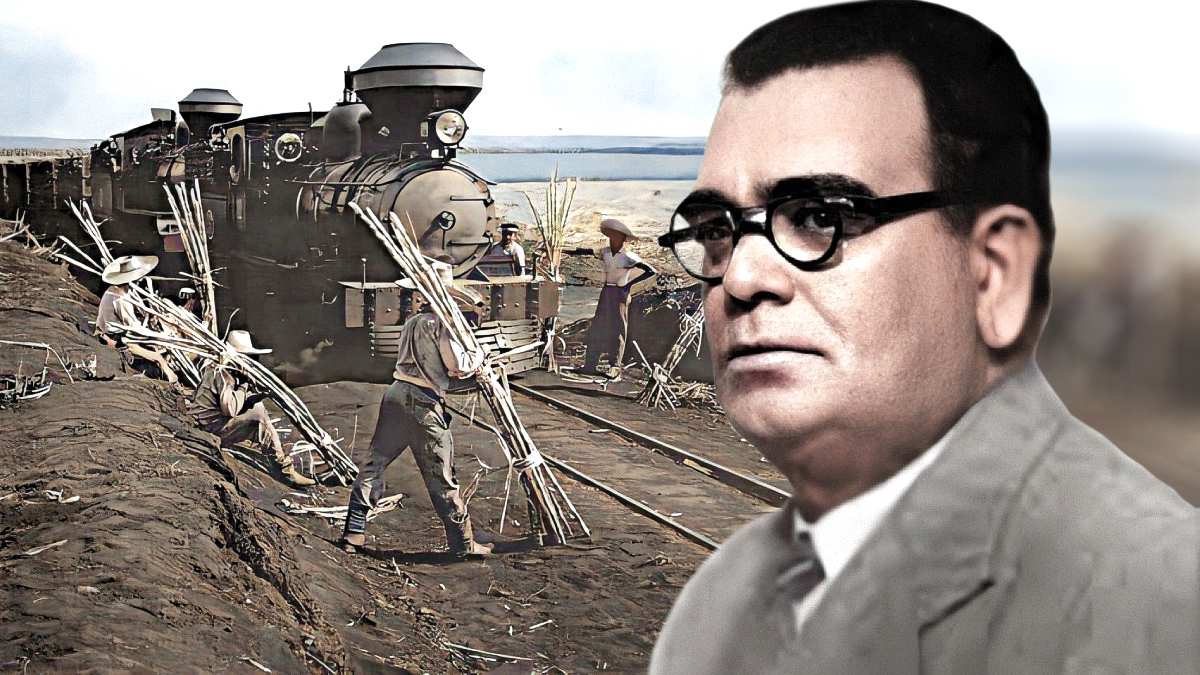
At the end of the 19th century, more precisely in 1890, the Italian Pietro Morganti, a 14-year-old teenager, arrived at the Port of Santos with the aim of working on coffee roasting.
His brother Carlo was already in Brazil, where he worked as a coffee roaster on Rua Amaral Gurgel, on the corner of Rego de Freitas, in São Paulo. In the beginning, Peter (“Brazilian” name) He slept on the sales counter and only later moved to a small basement room.
Pedro was the son of Tommaso Morganti e Beatrice Sargentini Morganti. In addition to Carlo, he was the brother of Biaggio and Paolo Morganti, all Italians who emigrated to Brazil and began living in capital of paulista.
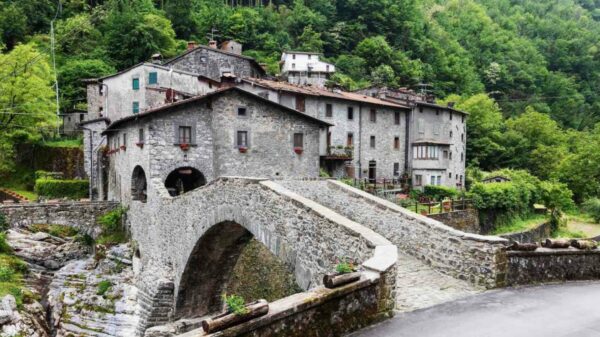
Born April 2, 1876 in Draft, fraction of massarosa, small town in the province of Lucca, in the region of Toscana, Pedro had to return to Italy shortly after arriving in Brazil to do his military service in Bologna.
Change of occupation
When he returned to São Paulo, he ended up marrying Giannina Morganti and, from 1902 onwards, he began to dedicate himself to sugar refining, using the laborious manual process, in modest facilities on Rua Amaral Gurgel, in Vila Buarque, in Sao Paulo.
In 1904, Pedro Morganti expanded the company, installing a refinery branch on the current Rua Quirino de Andrade (formerly Piques slope), under the direction of his brother Paulo, and now has two partners: Narciso and Stefano Gosi.
In 1910, the Companhia União dos Refinadores, an idea created based on the advantages that Pedro saw in bringing together the raw material and the finished product in a single company, that is, the plants would plant and produce at the same time.
Plant in Piracicaba
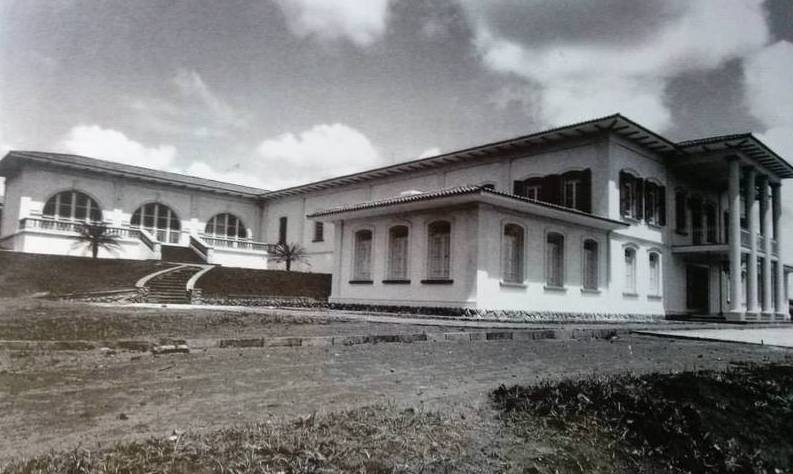
It was with this in mind that Pedro Morganti acquired, in the same year, the Monte Alegre Central Engenho, in Piracicaba, founded in 1889, which was transformed into the new Monte Alegre Plant, in partnership with José Pugliesi.
Thus, Pedro Morganti definitively entered the world of the sugar industry and ended up becoming a powerful and progressive lord of ingenuity and power plants. That was the great phase, not only of Engenho de Monte Alegre, but of sugar industry in Brazil.
In 1916, Pedro Morganti bought the shares of Conde Wilson Central Company, owner of Engenho Porto Real, in the municipality of Resende, at Rio de Janeiro, and sold them to a nephew.
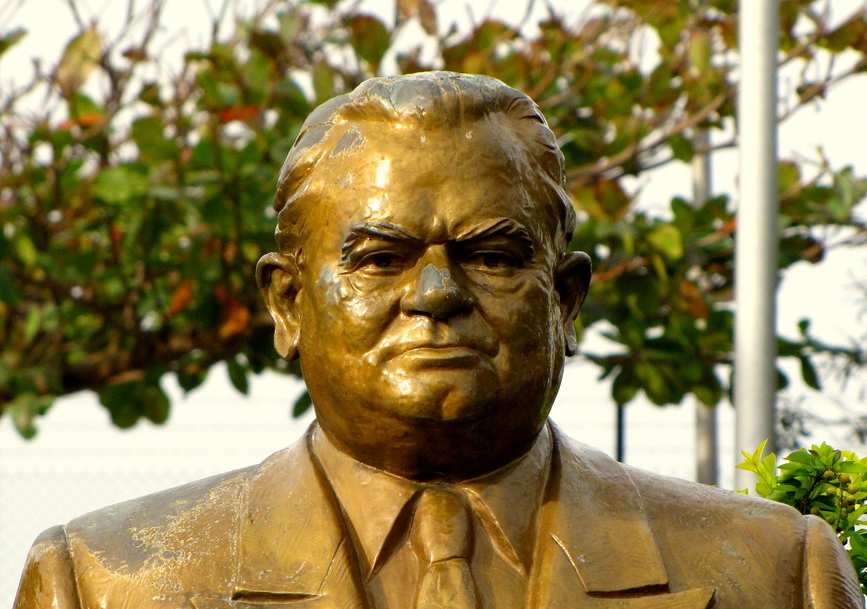
Pedro Morganti acquires Tamoio
With the proceeds, he ended up purchasing, in 1917, the Engenho Fortaleza, a 2-acre property in Araraquara, in the interior of São Paulo, which came to be called Tamoio Plant. In this way, Pedro Morganti organized the Agricultural Union Company, which, among others, incorporated, in 1942, the Guatapará Farm, acquired from the family Silva Prado.
In 1924, the Tamoio Plant became part of the Refinadora Paulista S/A. In 1930, Usina Tamoio was already producing an average of 3,9 thousand bags of sugar per year and alone accounted for approximately 12% of the country's total production. State of Sao Paulo: , establishing a position in the national sugar market.
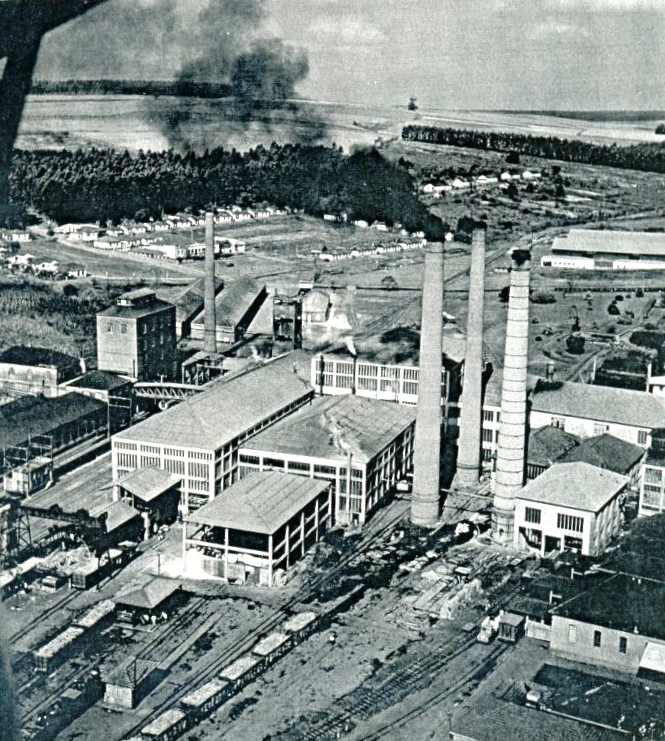
In the 1940s, with the policies of Sugar and Alcohol Institute (IAA), the plant underwent a major expansion. At that time, the St. Peter's Church (1943), and the plant began to house around 3.000 workers, who, with their families, totaled a contingent of 7.000 to 10.000 residents.
Time of changes
The plant's land reached 5.278 bushels. In 1946, the continental record for sugar production, and the Tamoio Plant became the largest sugar and alcohol industry of the country and the South America.
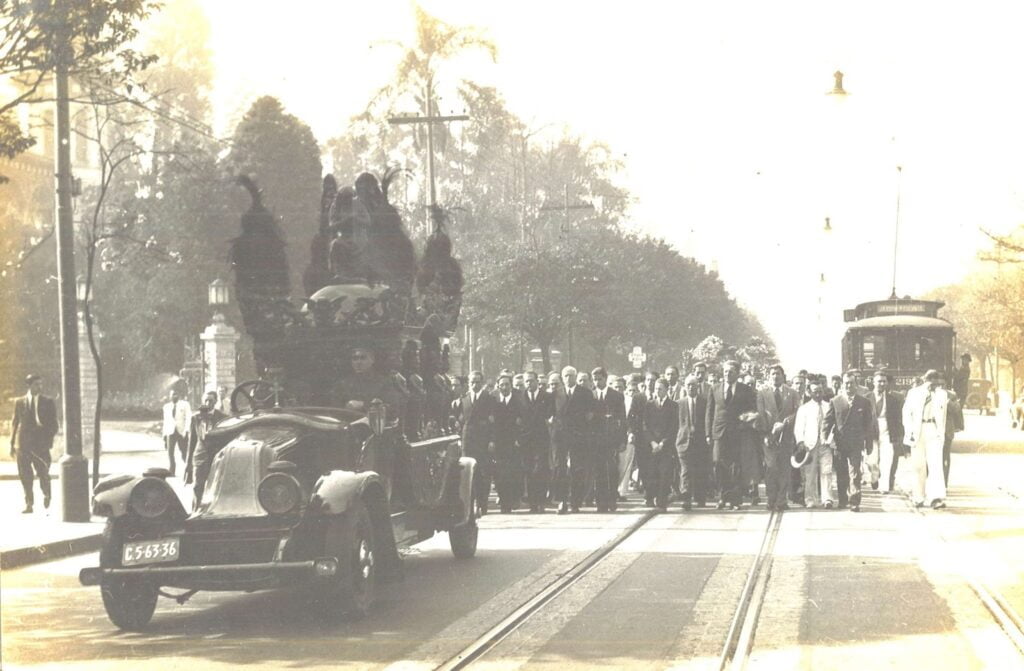
Pedro Morganti died in 1941, aged 65, and left his children Lino, Fúlvio, Elsa, Hélio, Renato and Bice.
After successive economic and political crises in Brazil, Usina Tamoio ended up falling into decline and, in 1971, the Morganti family sold the company to the Silva Gordo Group, including Fazenda Guatapará, the plants and Refinadora Paulista. At the time, the group was chaired by José Adolpho da Silva Gordo.
Some time later, Silva Gordo sold Usina Tamoio to Corona family, who sold the company to Cosan Group. Guatapará Farm was sold in part to a Japanese colonizer JAMIC and another part to Votorantim Group, which in turn sold to the company International Paper and for the Ometto family, which incorporated it into the São Martinho Plant.
sign of the times
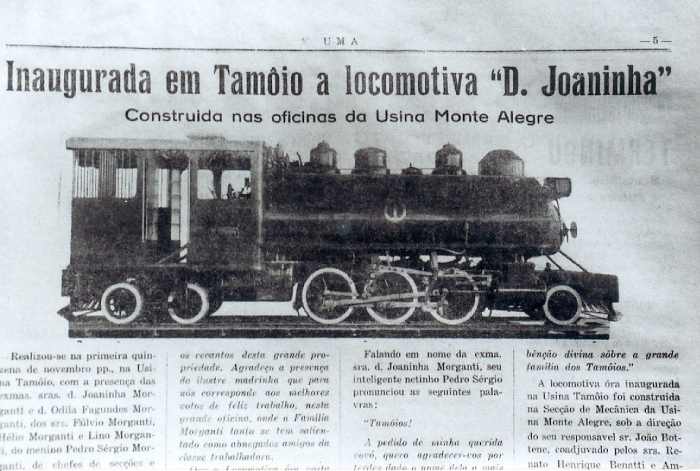
To get an idea of the importance and grandeur of the facilities from the company to Araraquara and region, the Tamoio Plant came to have a private railway. Tamoio Usina Railway It was about 30 kilometers long and passed through the municipalities of Ibaté, Araraquara and Ribeirão Bonito. Furthermore, the plant had a Companhia Paulista and a Railway Villagelocated in Ibaté, close to the border with Araraquara.
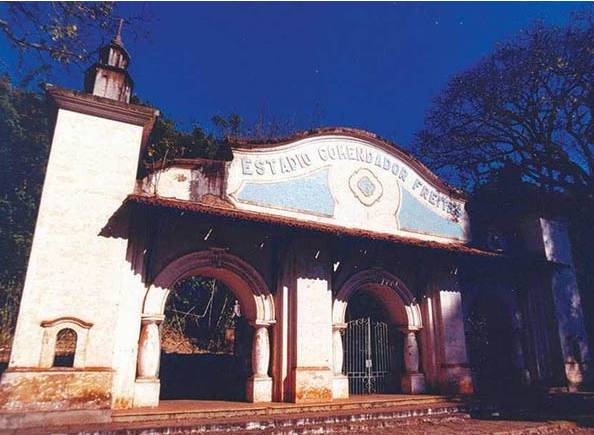
Another curiosity about the plant is that on its premises the Comendador Freitas Stadium, opened in 1951, the same year in which the Fonte Luminosa Stadium, Train from Araraquara.
From about 1500 Residences built by the plant in Vila Ferroviária, today less than a hundred remain. In 2012, the church at Usina Tamoio was renovated, after being closed for years. However, the temple was robbed in 2018, and several historical documents They were taken.
Pedro Morganti's obstinacy
In 2017 the root, which belongs to Cosan Group, announced the definitive closure of the plant's activities, dismissing its last 250+ employees. However, a court injunction annulled the action and ordered the “rehiring” of employees.
This narrative – which begins in late 19th century, goes through the 20th century and is already well into the 21st century – it was only possible thanks to entrepreneurial spirit from Italian Peter Morganti, who came to Brazil looking for a job and a good place to form your family. And, with his obstinacy, he ended up building a beautiful piece of history of Brazil.
By Roberto Schiavon/Italianism