





















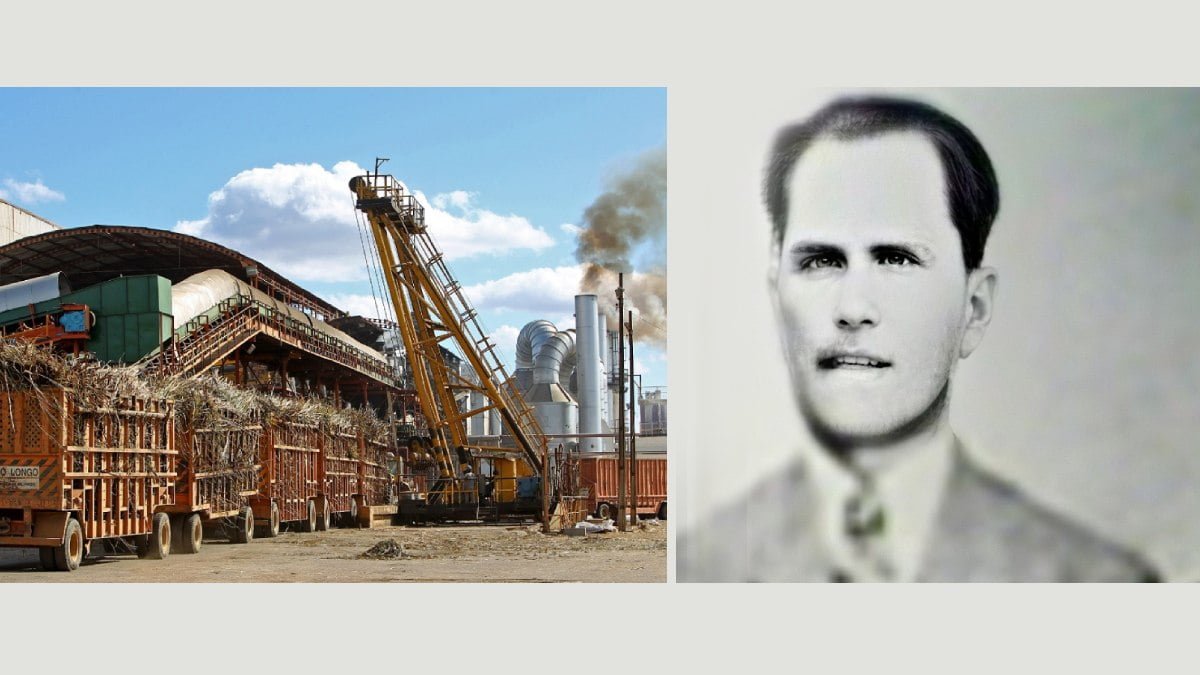
O Balbo Group, owner of three sugar cane mills, originated with the arrival of a Italian couple to Brazil in 1891.
The history of Balbo Economic Group begins at the end of the 19th century, when the scenario in Italy was from a country weakened by the unification wars, which had brought a disastrous result, mainly for the peasants.

In that context, Brazil showed itself to be a true land of opportunities, as demonstrated by the leaflets distributed by the European government throughout Europe, offering work and a fresh start of life in our country.
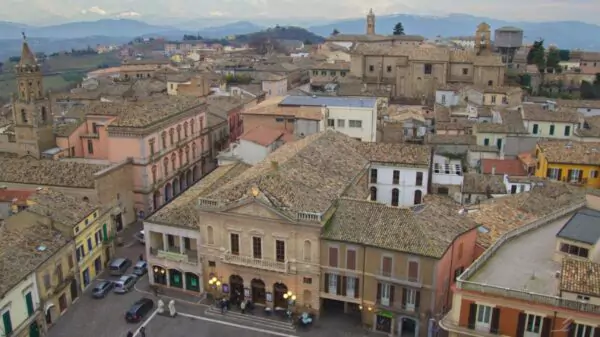
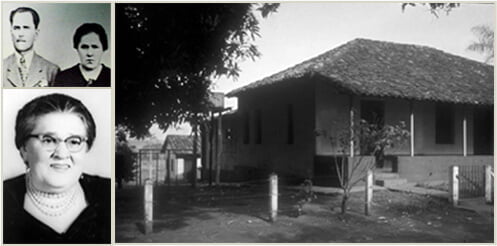
This is how the couple Alexandre Ernesto Balbo e Maria Fazolo Balbo decided to leave the city of Longwood, in the province of Vicenza, the Italy, to come and try their luck in Brazil, just like they did thousands of other Italians at the time.
Balbo family arrives in Brazil
They disembarked at port of Santos in 1891 and took a train to São Paulo, after Campinas and then they arrived at Vineyard, where Alexandre's brother, who had previously come from Italy, already worked.
Upon arrival, the couple suffered a severe blow, with deaths of two children little ones, Emiliana and Attílio, victims of the bubonic plague, or Black Death, as it also became known. Despite the sadness, the couple went to work, focusing their efforts on what they had come to do in their new country.
The couple had seven children in Brazil: Olinto, Pedro, Attílio, Marcelo, Altéria, Madalena and Olímpia. They worked in coffee farms and this job ended up taking the family to the city of Cloves, also in the interior of São Paulo, where his son Attílio Balbo was born in 1894.
In the year 1900, the Balbo family ended up moving to the municipality of Sertaozinho, also in the state of São Paulo, where they settled in the Central Engenho, later called Schmidt Power Plant.
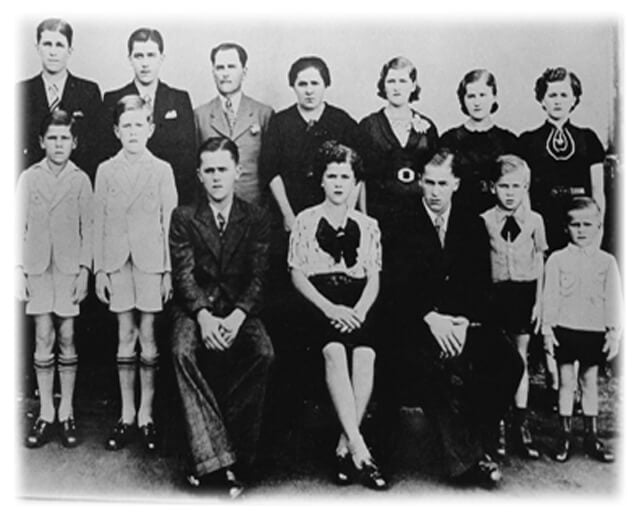
Alexandre Balbo acquires land
There, Alexandre bought, in 1903, 50 bushels of land, where he set up a small mill to manufacture brandy. A sugarcane crisis came, the property was sold to the Colonel Francisco Schmidt and Alexandre started working as settler, with the help of the little Attilio, 9 years old.
Attílio worked during the day and studied at night and, in 1917, he was already blacksmith's assistant. That same year, his father died, Alexandre Balbo, with Attílio becoming the head the family. At just 23 years old, he was responsible for taking care of his widowed mother and brothers, all of whom were younger than him.
At that time, Attílio had already been married since 1913 to Growth Carolo Balbo, daughter of Jácomo Carolo and Paschoa Moro Carolo, born in 1896 in Iracema Farm, municipality of Ribeirão Preto, currently owned by the Balbo Family.
In 1927, Attílio was already general head of the plant, the workshop and the sawmill. That year, the properties of the Schmidt brothers went bankrupt and were seized by the State Bank. With the savings from decades of work plus a loan from a friend, Attílio bought 14 bushels of land in the municipality of Pontal.
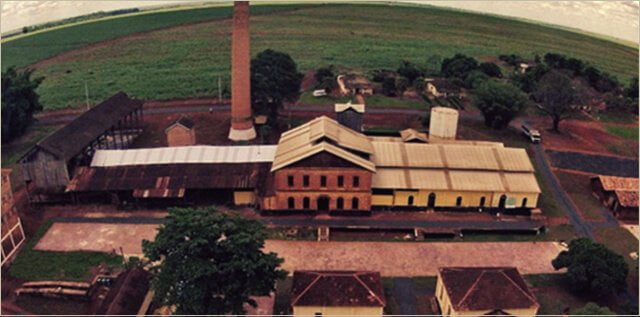
Attílio gains experience
On the lands acquired by Attílio, the main product cultivated was sugar cane, which he began to supply to the Albertina Plant, owned by Colonel Guilherme Schmidt.
In 1941, still as manager of the plant, Attílio acquired Osvaldo Cruz a plot of virgin forest land, measuring 18 bushels, which after four years ended up becoming an area with 25 thousand coffee feet.
However, four years later Attílio sold his sugarcane property in Pontal and also the coffee area. In 1946, the plant in Sertãozinho was recovered from bankruptcy and was returned to the Schmidt family. While still managing the property, Attílio worked day copy, increasing the property’s production.
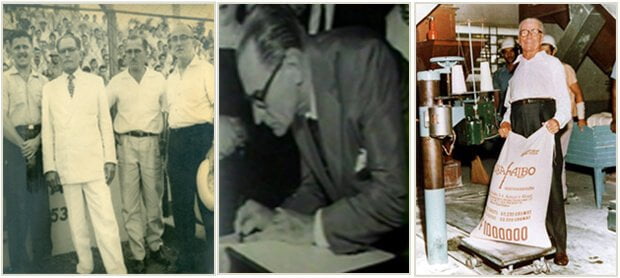
Independence arrives
But what he wanted was independence, which came in 1946, when he bought seven bushels of land em Sertaozinho and formed the company Attílio Balbo & Filhos. It was the beginning of Santo Antônio Sugar Plant.
The experience gained over years as plant manager resulted in the grinding of 16 thousand tons of sugar cane and in the production of 1.664 tons of sugar (27.733 bags of 60 kilos) in the first harvest, in 1947.
From then on, business continued to grow. In 1958, production of Anhydrous and hydrated ethanol. In the 1960s, Attílio bought two new plants, Santana and Perdigão, in Sertãozinho and Ribeirão Preto.
In the year of 1977, the Balbo Group celebrated the production of one million bags of sugar of 60 kilos, in 30 years of activities from the company.
Product diversification
The 1980s came and the Balbo Group started the Green Cane Project, the first step in the migration to the production process of organic sugarcane. In 1987, the project began Bioenergy Cogeneration, with the Usina São Francisco S/A, the first to interconnect with the electrical distribution system and sell energy with the grid.
That same year, the group's management set the goal of adding value to products originating from sugarcane, to access new markets. The company's mission became to exploration of the potential of sugar cane e other agro-industrial products.
In the 1990s, Usina Santo Antônio began to sell dry yeast, ingredient and additive for animal feed. While other plants discarded yeast, a microorganism used in the manufacture of ethanol, the Balbo Group began to dry, industrialize and sell the product. In the same decade, the group began manufacturing organic sugar.
In the following decade, the group established a partnership with Stone Plant and installed it in Highland the first pilot plant for the production of biodegradable plastic from cane sugar (PHB). Also in the 2.000s, the company began to sell carbon credit and to produce organic neutral alcohol, used in the cosmetics industry.
In 2008, the Uberaba Plant, located in the municipality of Uberaba, state of Minas Gerais. The plant is the result of a partnership between the Balbo Economic Group and the company Caldepar Empreendimentos e Participações Ltda, subsidiary of the company Caldema Industrial Equipment.
The fruit of work
Currently, the Santo Antônio and São Francisco plants, in Sertãzinho, and Uberaba, in Uberaba, control or are shareholders of other companies, such as Native Organic Products, PHB Industrial SA, Agropecuária Iracema Ltda and Vicenza Empreendimentos Imobiliários Ltda, responsible for the real estate activities of the Balbo Economic Group.
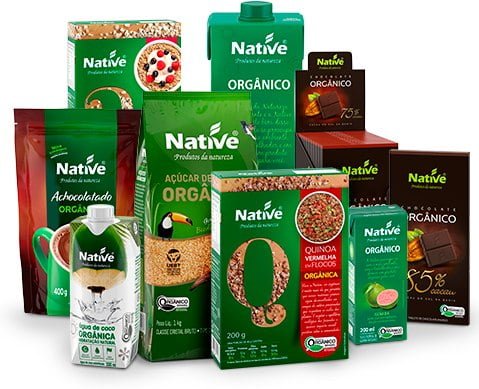
Today the Balbo Economic Group has the ability to process 6,5 million tons of sugar cane, to produce 300 thousand tons of sugar e 330 million liters of ethanol. The group's three plants operate together 39.800 hectares of areas, where approximately 3,2 million tons of sugar cane. In addition to organic products, the group also produces and sells electrical energy.
The Balbo group closed the crop 2020/21 with profit of BRL 287,97 million, growth of 98% compared to the previous season, when it accounted for R$ 145,43 million.
This story of love of work and the land, which resulted in resounding success for the Balbo family – and which began when the Italian couple Alexandre and Maria decided to come to Brazil – is further proof of the strength of Italian heritage in our country.
By Roberto Schiavon / Italianism