



















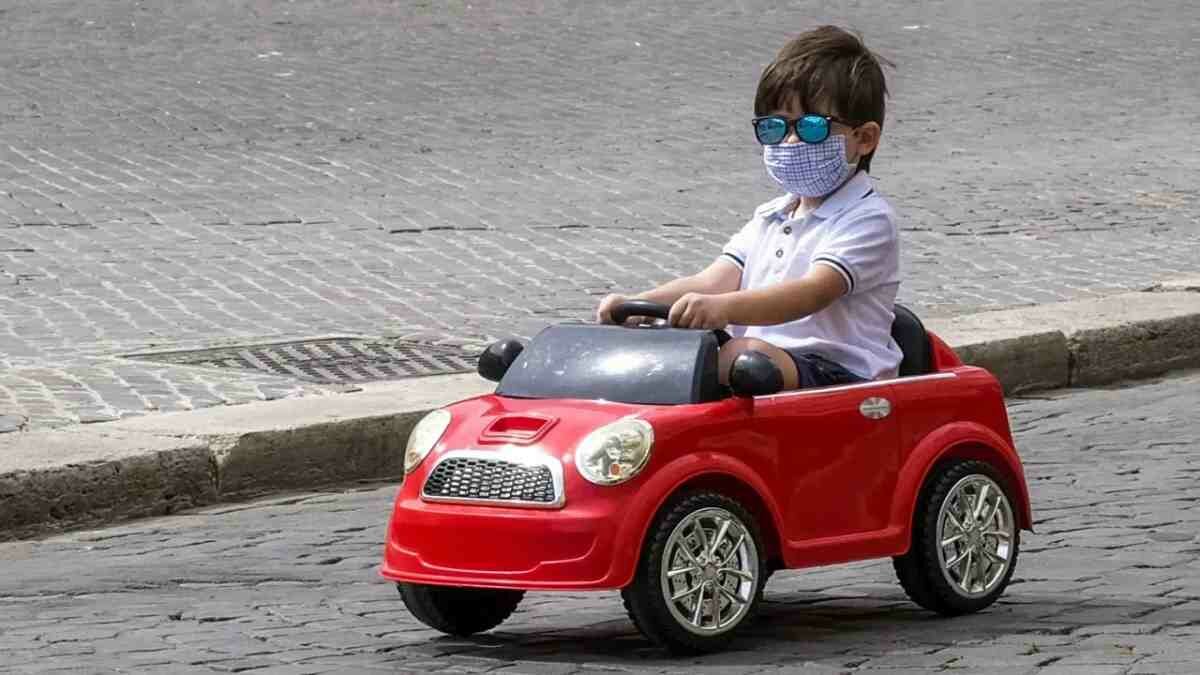
Symbol of the drama that reached Europe, now the country is coping better than its neighbors. Caution and rigor
Hospitals on the brink of collapse, violence in supermarkets and unprecedented measures to contain the virus.
Gateway to the pandemic in Europe, Italy was the symbol of what could go wrong in the response to Covid-19.
Milan, one of the most vibrant cities in Europe has become an icon of the pandemic’s transformative devastation.
The Italian experience helped the rest of Europe better prepare for the peak spread of the disease.
Now, however, the country that initially suffered most from the coronavirus is showing one of the most successful in preventing the second wave.
While Italy has recorded numbers in the order of 1.500 new cases per day (having reached a maximum of 1.907 cases in a single day), countries such as Spain and France, but also the United Kingdom, report considerably higher numbers.
In France, the figures are in the order of 10 thousand new cases per day (with a recent maximum above 13 thousand). In Spain, the numbers are even higher, with an average of more than 11 thousand cases per day (and 31 thousand cases have already been registered in a single day).
Further down, the United Kingdom has been recording around 4 new cases per day, twice as many as Italy.
The lessons from the health system, the anticipation of measures and the strict control of compliance with standards explain the country's success, experts believe.
“The timely, rigorous and prolonged confinement worked better here in Italy than in other countries that hesitated to close, that closed less and that reopened earlier,” he recently told The Local, public health specialist Nino Cartabellota..
Rigor in decisions
The secret really seems to have been adopting habits in advance.
Italy was the first country to put into practice a strict confinement of citizens: in the first week of March, Prime Minister Giuseppe Conte announced that the country would be completely isolated from the rest of the world and that citizens would only be able to leave their homes in situation of extreme need or to buy supplies (they even had to fill out an official document proving the need to leave).
However, more important than the decision to close earlier was the decision to reopen later.
Even though it was the first country to close services and restrict citizens' freedoms, Italy has been more cautious than other countries in the reopening process.
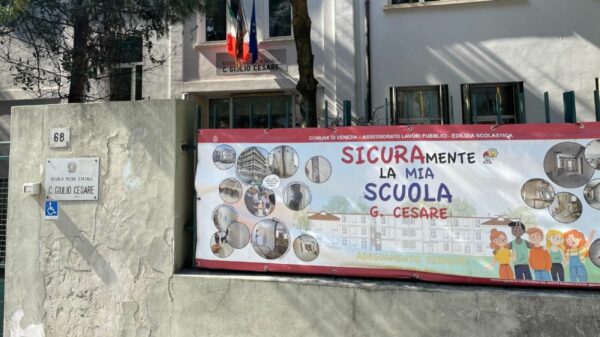
One of the most significant examples is that of schools, which only reopened in Italy on September 14th, for the new academic year. In other countries, the reopening happened earlier.
In France, many educational establishments reopened during the month of May, at a time when the country was still recording a thousand cases of Covid-19 per day.
It hurt in the pocket
Italians' compliance with the rules was due to the implementation, from very early on, of a system of penalties for anyone who did not respect isolation.
At the beginning of March, when the Italian government decided that citizens should stay at home except for strictly necessary activities, it established that anyone who did not comply with the rules would be fined — and the police were strict.
In the first week, almost 30 thousand fines were registered. On a Saturday in early April, authorities issued a record 9.300 fines in a single day.
In the Lombardy region, the most affected by the pandemic, authorities made the use of masks mandatory on the streets and failure to comply with the rule was worth a fine of 400 euros.
“Stronger” healthcare system
In parallel with the implementation of strict measures, experts point to the lessons learned from the Italian public health system in the first phase of the pandemic, which allowed the country to put into practice effective screening and testing procedures for the population.
“Whenever there is a positive test, we test everyone who may have been in contact with him. The real problem with this epidemic is cases without symptoms. If we don’t intercept them, we don’t get out of it”, explained Andrea Crisanti to the Financial Times.
According to Italian authorities, more than two thirds of Italians who were diagnosed with the disease were not identified because they had symptoms, but through the tracking system implemented in the country — including through the app “immune".
“By quickly identifying new positives, with the help of health departments, we control new outbreaks by isolating all close contacts,” public health consultant for the Emilia-Romagna region, Raffaele Donini, told The Telegraph.
Em interview recent to the newspaper La Stampa, the Italian Minister of Health, Roberto Speranza, assured that the national health service “became much stronger” since the beginning of the pandemic, having doubled the number of intensive care beds. “I am optimistic, although cautious,” he said, assuring that the country will not be subject to a new confinement.
To date, 302.537 cases of Covid-19 have been diagnosed in Italy. The number of deaths is 35.758 people.
READ TOO
Covid – Italy fears contagion imported from neighboring countries; cases have skyrocketed
Anti-covid vaccine will not be mandatory in Italy, says prime minister
With information Observer, The print, The Local