




The presence of Brazilian chefs has boosted the expansion of Japanese cuisine in Lisbon. Recent restaurants and already established establishments show how this influence is growing in the city. portuguese capital.
One example is After Dark, an izakaya in Príncipe Real, run by São Paulo chef Matheus Martins. The space operates at night in the same location as Boubou's Sandwich Club and combines Japanese influences with the chef's personal experiences.
Matheus states that the project emerged after a trip to Japan. "I'd had the idea for the izakaya for a long time, and after a trip to Japan we were able to put it into practice this year," he said.
The chef's relationship with Japanese cuisine began in his childhood in São Paulo, especially in the Liberdade neighborhood, known for its Japanese gastronomic tradition.
Brazilian influence on Japanese cuisine
The expansion of this type of cuisine in Portugal This follows the increase in Brazilian immigration. According to Matheus, there is a clear trend of Brazilian chefs taking over Japanese restaurants in Lisbon.
He mentions names like Habner Gomes, from Yoso, which has been awarded a Michelin star, as well as Lucas Azevedo, William Vargas, and Gabriela Hatano.
"You see many Brazilian chefs bringing this Japanese culinary vibe to Portugal," he stated.
Another factor mentioned is the quality of products available in the country. According to the chef, fish, seafood, and meats make it easier to execute Japanese cooking techniques.
"The raw material we have access to here is of very high quality," he said.

From sushi to taking center stage in traditional neighborhoods.
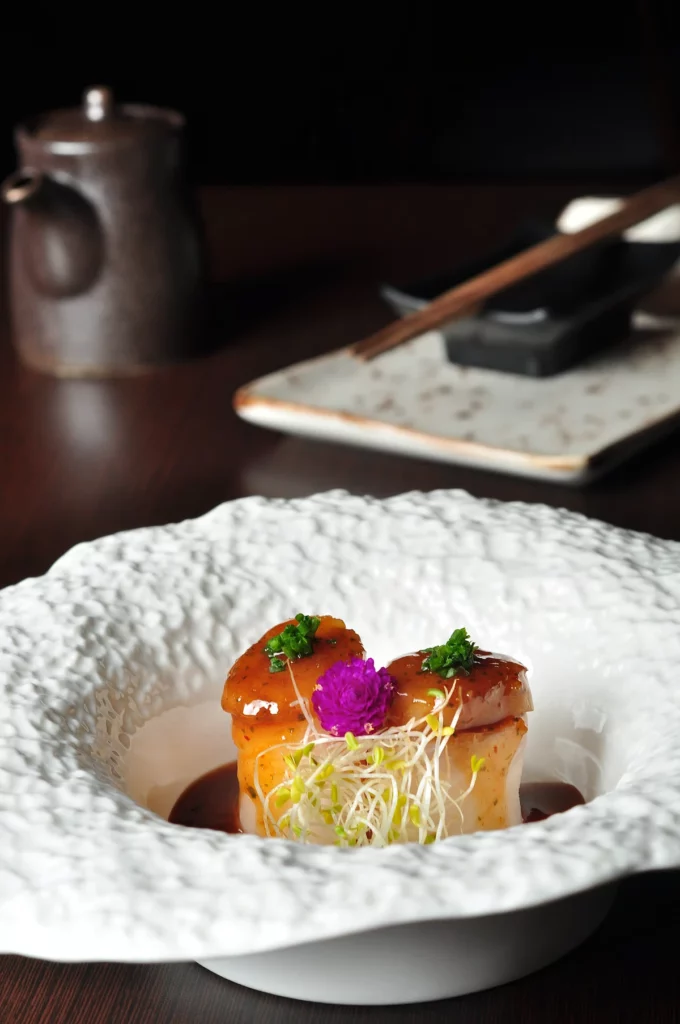
This trend is also appearing outside the central regions. In Carnide, a neighborhood known for its steakhouses, Arashi Sushi Bar has stood out under the command of Rio de Janeiro chef Vinícius Franco.
The restaurant focuses on combining Japanese tradition with adaptation to the local audience. The offering includes varied menus, from affordable lunch options to complete tasting menus.
Vinícius points out that the evolution of Japanese cuisine in Portugal is recent, but rapid. "In the last year and a half, Japanese cuisine has been evolving a lot," he stated.

He also points out cultural differences between Brazilian and Portuguese consumers, especially in terms of consumption. According to the chef, the all-you-can-eat model common in Brazil does not have the same appeal in Portugal.
Trajectories and adaptation
Before arriving in Lisbon, Vinícius traveled through different regions of Brazil, including Roraima and Maranhão. He recounts logistical challenges at the beginning of his career, especially in accessing supplies.
"It was very hard work, but it was a great experience," he said.
Back in Portugal, the chef started from scratch and adapted his work to the local market. The result was the establishment of a restaurant with its own identity in a region traditionally associated with meat.
Continuous growth
With a positive reception from the public, Brazilian chefs continue to expand their presence on the scene. Lisbon gastronomy.
Matheus Martins states that he intends to continue developing After Dark in Lisbon. "I want to develop here, grow After Dark, and explore new concepts in the future," he said.
The advancement of these professionals indicates a shift in the profile of Japanese cuisine in Portugal, marked by a combination of technique, adaptation, and Brazilian influence.
In a lighthearted tone, the new phase of gastronomy can be summarized in a symbolic reversal: after the old joke about gold, now it is the Brazilians who are "giving back" value to the country through business, technique, and leadership in the kitchen.
FOLLOW-US