

























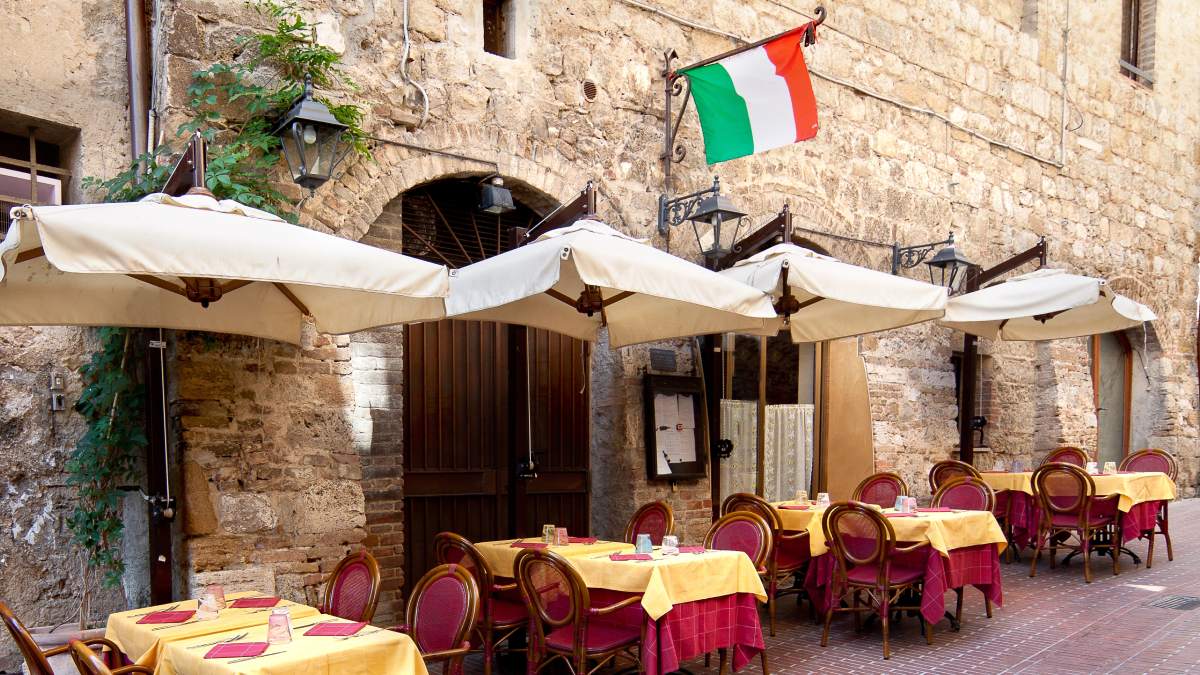
Italy, with its rich history and culture, is one of the most celebrated gastronomic destinations in the world.
However, besides being delicious, the Italian culinary is full of traditions and customs that can catch visitors off guard.
These “unwritten rules”, passed down from generation to generation, are responsible for preserving the essence of dishes and the correct way to enjoy them.
Culture shock at the table
Among the main surprises that await foreigners is the prohibition of combining fish with cheese. In many countries, mixtures like these are considered innovative, but in Italy, they are seen as a disrespect for tradition.
Asking for Parmesan cheese to accompany a seafood dish is a mistake that many tourists make, without realizing that this combination is, for Italians, a true culinary sacrilege.
Other common culinary faux pas
In addition to the fish and cheese issue, there are other common mistakes that foreigners make when trying to delve into Italian cuisine:
- Drinking cappuccino after dinner: Cappuccino is traditionally a morning drink. Ordering a cappuccino after meals, especially after dinner, is considered strange, as Italians prefer drinks like All espresso brewing methods after meals.
- Overdoing it with the Parmesan cheese: Despite being one of the most beloved ingredients in Italian cuisine, Parmesan cheese should be used in moderation.
- Ignoring the correct sequence of meals: In Italy, the order of meals is sacred. You start with an antipasto, followed by the primo (pasta or risotto), then the secondo (meat or fish) and, finally, dessert. Inverting this order or skipping steps can be frowned upon by Italians, who see the act of eating as an experience to be savored slowly.
- Choosing the wrong wine: Wine is an essential part of an Italian meal. Each region and dish has its own wines, and choosing the right wine to accompany each stage of the meal is a valued art.
Why do these rules exist?
These dietary rules are part of a cultural heritage built over centuries.
They were shaped by the history, climate and geography of each Italian region.
Following them is a way of honoring this legacy and enjoying a meal to its fullest, respecting the authentic flavors and tradition of one of the peoples who most value food. good food. (Depositphotos)
FOLLOW ITALIANISM