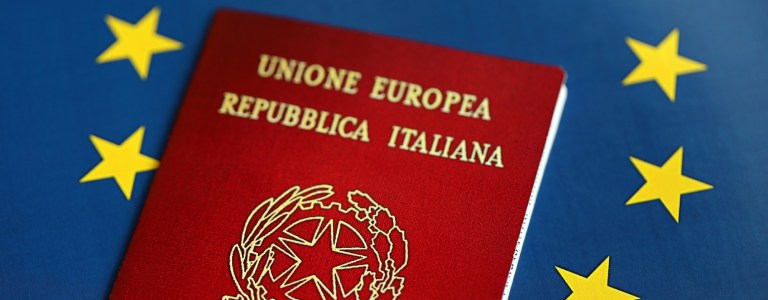




























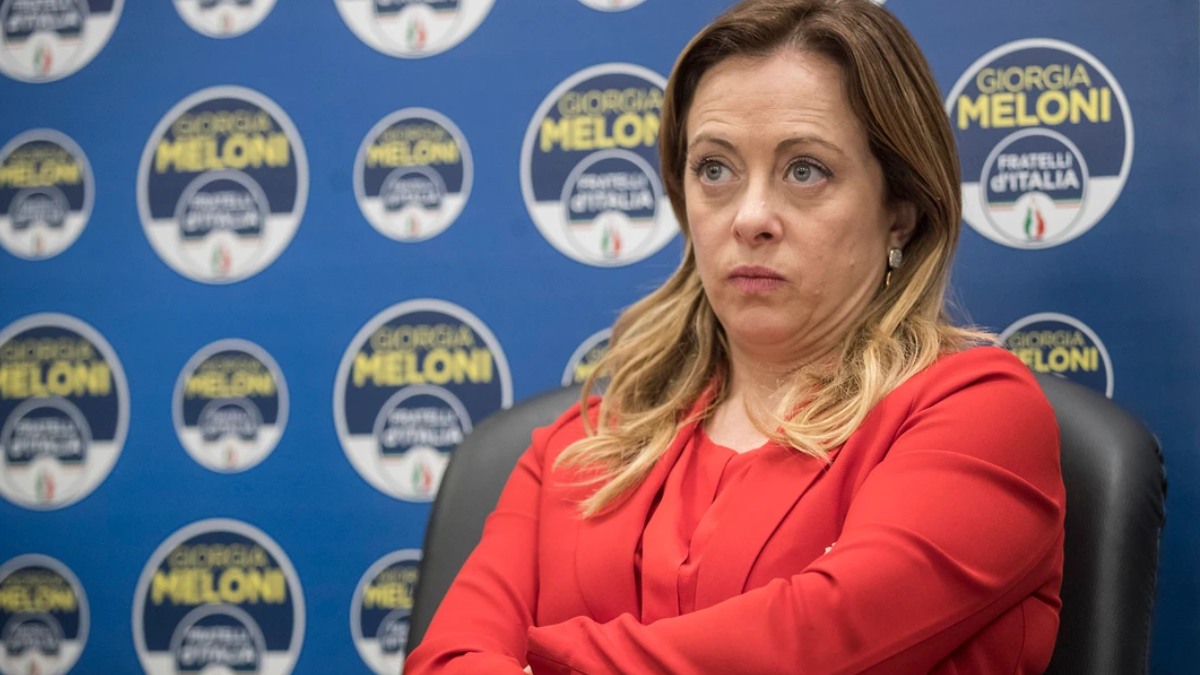
Italian Prime Minister Giorgia Meloni declared on Thursday, the 5th, that she is "completely against" the proposal to reduce the required residency time for naturalization applications from 10 to 5 years.
The statement comes on the eve of the referendum scheduled for June 8th and 9th, which seeks to change the current citizenship legislation.
Meloni said Italy’s citizenship rules “are excellent and also very inclusive.” She said the country is among those that “grant the most citizenships in Europe every year.”
In previous days, Meloni had already said that he would appear at his polling station, but that he would not vote in any of the referendums — which generated criticism from the opposition. This Thursday, he defended his position again: “Abstention is also a right for everyone.”

The Supreme Court reaffirmed: citizenship is born with the person.
- New legal front opened
- Processes can still be filed.
- Individual assessment before any decision.
She argued that, as she does not agree with the issues on the agenda, she will choose not to vote. This practice follows government guidelines, which are against labor and citizenship referendums.
Government mobilizes boycott to invalidate vote
Italian law requires that referendums have the participation of more than half of the electorate for their results to be valid. If the quorum is not reached, the results are automatically annulled.
Therefore, members of the government have encouraged abstention. Senate President Ignazio La Russa (Brothers of Italy), declared that he “will campaign for people to stay at home”.
Congresswoman Grazia Di Maggio (Brothers of Italy) reinforced the appeal: “Italians will have better things to do on June 8th and 9th.”
The government's strategy provoked reactions from the opposition. Riccardo Magi, a member of the +Europe party, described the mobilization as “an attack on institutional conscience” and called for “a democratic rebellion against abstentionism.”