

















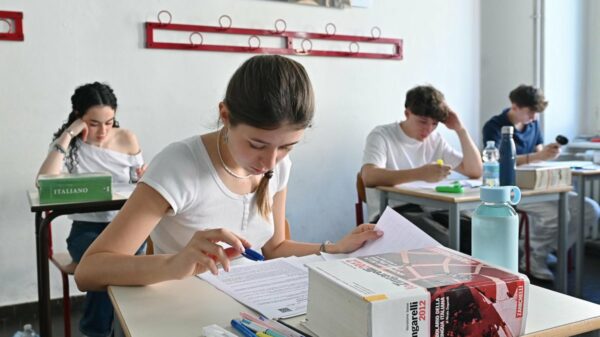


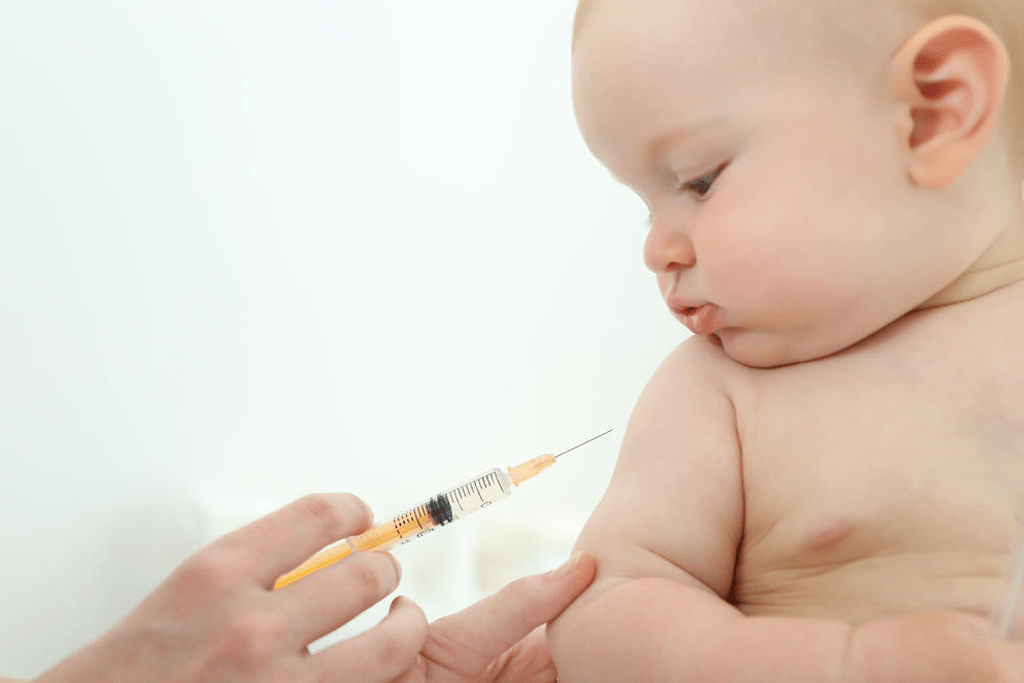
Italy's Health Minister Giulia Grillo confirmed on Thursday (9) that the new measure introduced to make it easier for children who are not up to date with their vaccinations to enter school will also be valid for the next school year (2018-2019). The statement generated controversy in the country's education system.
The decision does not overturn the mandatory vaccination for children, but allows parents to present a “self-certification”, instead of proof issued by the Local Health Company (ASL, in its Italian acronym), as provided for by law. “The self-certification tool was used throughout 2017-2018 and we will also use it for 2018-2019 because [Beatrice] Lorenzin did not establish the National Vaccine Registry and we did not want to place an additional burden on citizens by forcing them to provide all documentation”, Grillo explained to the press.
The previous rule, which was approved during the term of center-leftist Paolo Gentiloni (2016-2018), requires vaccination for children to access education. But it is a measure harshly criticized by the anti-system 5 Star Movement (M5S) and the ultranationalist League, which currently govern the country.
Therefore, according to the Minister of Health, the new law will provide “flexible mandatory measures in territories, and therefore also in regions and municipalities where there are lower rates of vaccination coverage or epidemic emergencies”. For Grillo, this is “the most sensible idea”.
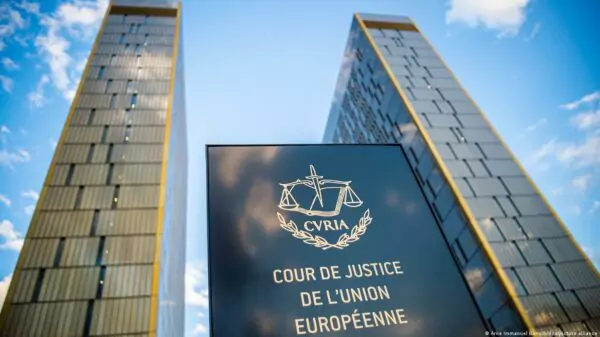
Law 74/2025 is being challenged in the Court of Justice of the European Union. For thousands of descendants, the next step depends on understanding how the new rule has affected each case.
Your case may still have a legal outcome.
ANALYZE MY CASEHowever, the decision received criticism from the Minister of Education, Marco Bussetti, who stated that he will cooperate in the implementation of the proposed health policies, but school leadership cannot be responsible when it comes to health.
“It is important to consider the concerns of school managers, who constitute a fundamental point of reference for the education and training system, and certainly school management cannot be overburdened with health care,” the minister wrote on Facebook.
The Council of University Professors of Pediatrics, in turn, highlighted that self-certification of vaccines “not only conflicts with current legislation on the certification of mandatory vaccines, but disagrees with Decree 445/2000 which states that medical certificates cannot be replaced by another document”.
Currently, mandatory vaccines in Italy protect against polio, diphtheria, tetanus, hepatitis B, whooping cough, measles, mumps, chickenpox, rubella and Haemophilus influenzae type b, which, among other things, causes bacterial meningitis. (ANSA)