
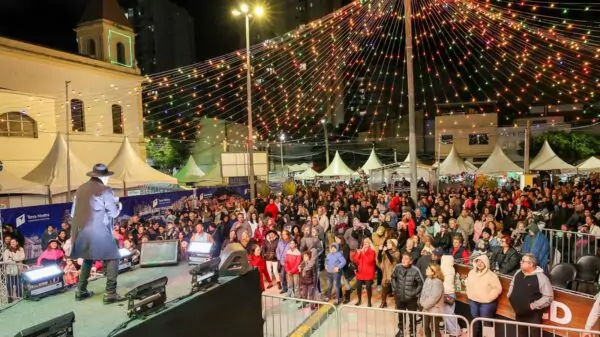

















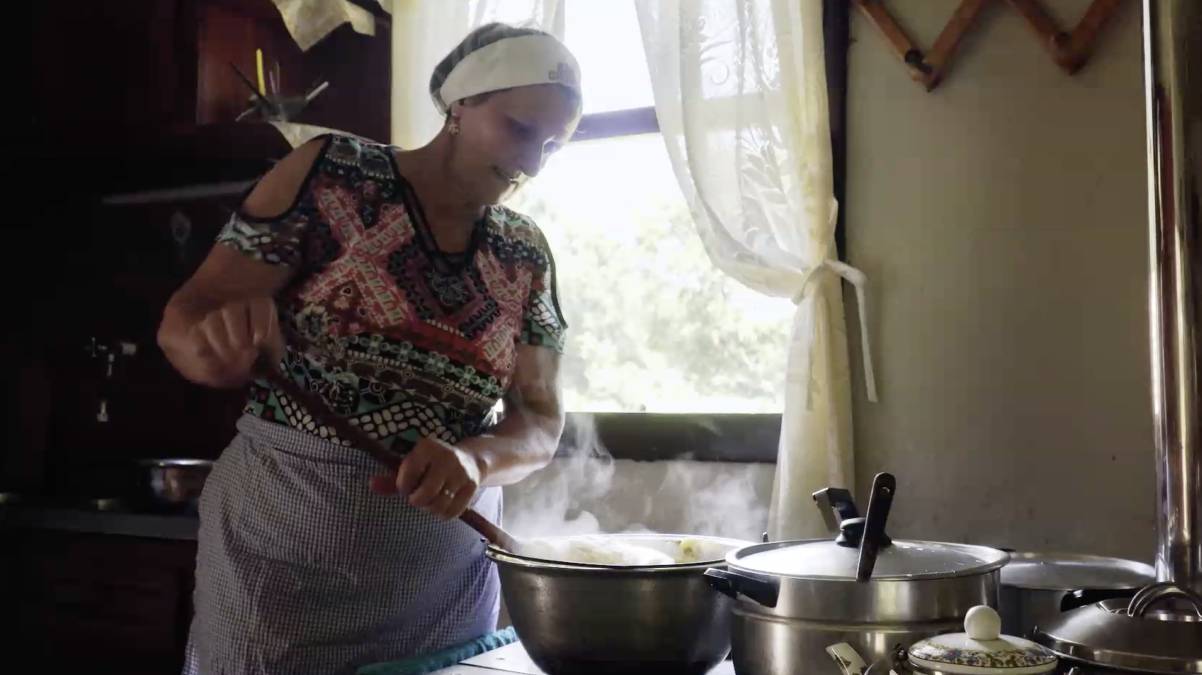
“Italian Legacy”, a film that tells the story of Italian immigration to Brazil, is now available in the Netflix catalog.
The moving film that revisits the 145th anniversary of the arrival of the Italians in Serra Gaúcha had premiered in Brazilian cinemas in November last year, but was hampered due to restrictions due to covid-19.
The filming of “Italian Legacy” takes place in the North of Italy, where a large part of them came from, and in Serra Gaúcha.
Directed by Marcia Monteiro, the film “Italian legacy” is a co-production by Camisa Listrada with Globo Filmes, Globo News and Celeiro Produções.

The Supreme Court reaffirmed: citizenship is born with the person.
- New legal front opened
- Processes can still be filed.
- Individual assessment before any decision.
WATCH THE TRAILER
About “Italian Legacy”, now available on Netflix
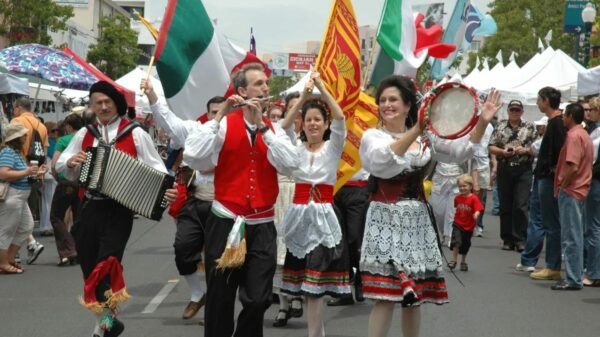
In 84 minutes, descendants of immigrants and experts in different areas contribute emotionally charged accounts of what is considered one of the largest migratory flows in history, which occurred at the end of the 19th century.
In total, the team visited 20 cities in Brazil and Italy to interview 94 people.
“During my research for the film, I realized that, in order to survive and progress, immigrants had to rely on each other, and the film was also made on the basis of a joint effort, through the contribution of various people and entities and companies that believed in this story”, says Marcia Monteiro.
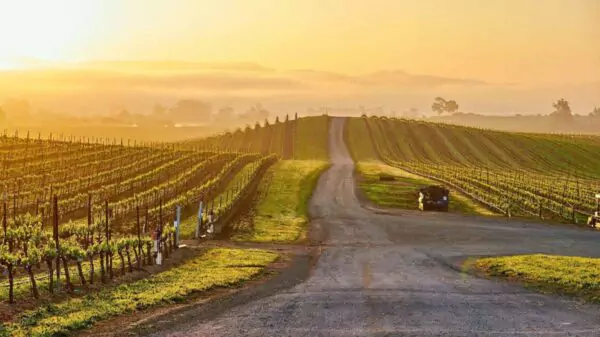
In Rio Grande do Sul, recordings took place in Serra and Vale do Caí, in the cities of Bento Gonçalves, Carlos Barbosa, Caxias do Sul, Farroupilha, Flores da Cunha, Garibaldi, Monte Belo do Sul, Nova Pádua, Pinto Bandeira, Vila Flores and São Sebastião do Caí.
Each one highlights one of the themes developed in the film. Once in Italy, Marcia visited the regions of Trentino and Veneto, where the largest number of immigrants left for Brazil, and Genoa, where steam ships departed for America.
“Four years have been dedicated to this project that will now reach the public. Studying, getting to know people and stories, I bring with me a factor that really impacted me: I found that solidarity among those arriving from Italy was fundamental. Even coming from different places, speaking different dialects, when survival depended on everyone coming together, what I consider to be the great strength of this region and this history emerged: the collective effort”, concludes Marcia.