

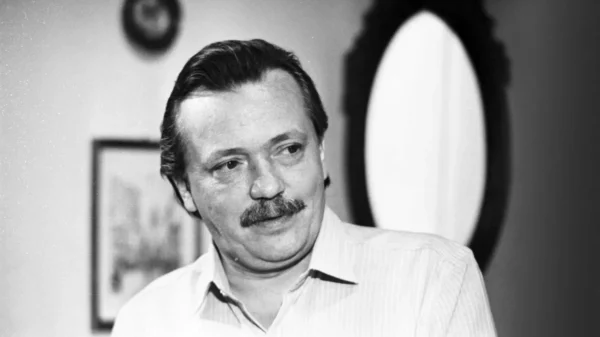





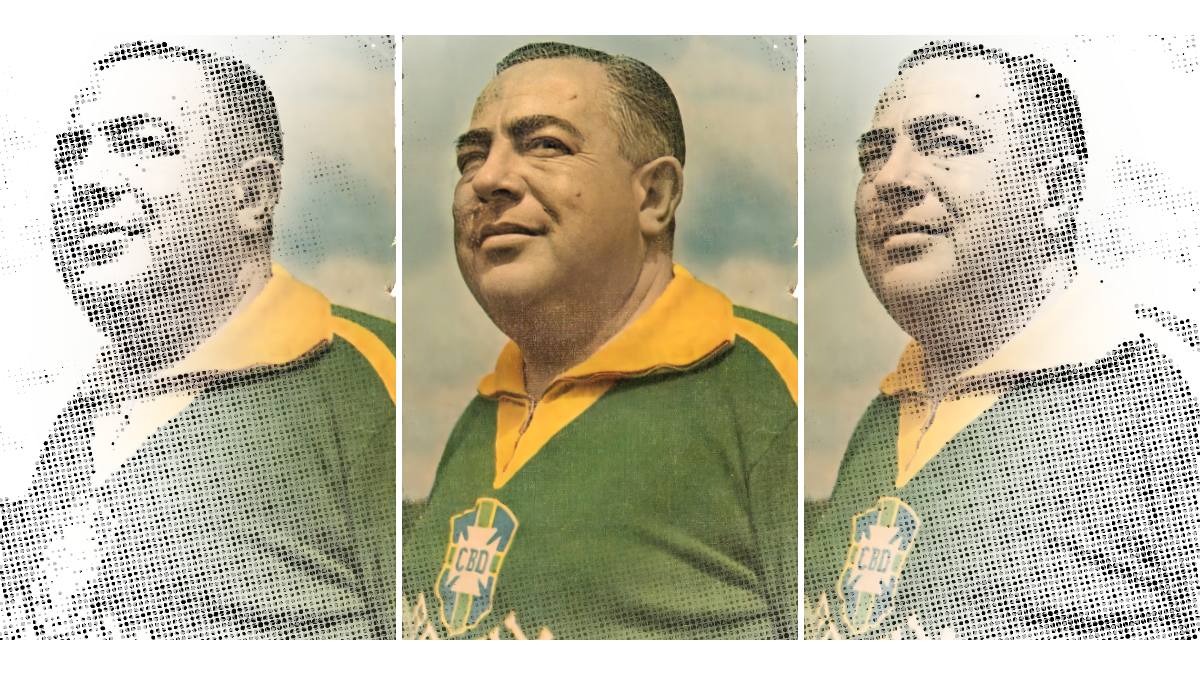
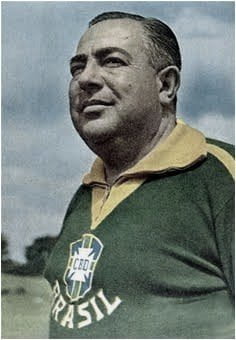
A série “Italian Heritage – Personalities” Today presents the trajectory of Italian immigrant Vicente Feola, coach of Brazil National Team in the first world title, at the World Cup in Sweden, in 1958.
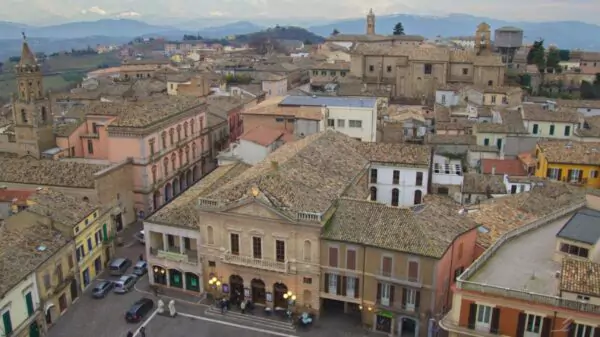
Vicente Ítalo Feola was born in São Paulo on November 1, 1909, son of a family of Italian immigrants who arrived in Brazil at the end of the 19th century, coming from the city of castellabate, 126 kilometers south of Naples.
The sporting career of this Italian-Brazilian is marked by success on the field and by sound decisions that would forever define his resume.
Right decision
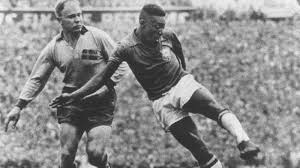
He is known, for example, for his great insistence that the then-new player Pelé not be cut from the group that would go to the 58 World Cup.
At that time, Pelé was 17 years old and had been violently hit by Corinthians player Ari Clemente during a training game between the Brazil National Team and the São Paulo team.
As I was injured, barely Pele did not stay out of the World Cup, but Vicente Feola and Paulo Machado de Carvalho were stubborn and managed to convince João Havelange, then president of the former Brazilian Sports Confederation (CBD), to keep the athlete in the delegation.
Feola in the clubs
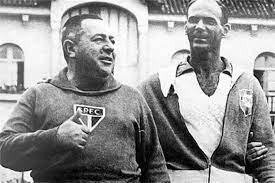
The coach began his career on the pitch as a football player playing for the teams São Paulo Futebol Clube da Floresta, Auto Futebol Clube and Americano.
As a coach, he began his career at Portuguesa Santista and soon went to coach São Paulo, the club where he spent most of his career as a coach.
At Tricolor Paulista, Feola was admitted as a kind of “do-it-all”. He was an administrative employee and ended up assuming technical command several times.
In total, there were eight spells at São Paulo as a coach, between 1937 and 1965, totaling 532 matches in command of the team.
Saving Nhô Quim
A curiosity is that, in 1954, São Paulo loaned Feola to Esporte Clube 15th of November in Piracicaba in the last matches of the first division of the Campeonato Paulista.
Nhô Quim was about to fall to the second division, but received a new coach and Feola ended up helping the interior team to remain in Paulista's elite division.
Feola also had a quick spell at Boca Juniors, In 1961.
Feola in the Brazilian National Team
During periods when he was not managing São Paulo, Feola was called up to the Brazilian team. Before becoming the head coach, he worked as an assistant on the technical committee of Flavio Costa in the 1950 World Cup. He saw it up close and cried Maracanazo, but would later end up smiling with the glory of the title in Sweden.
He was the chosen commander for the 1958 World Cup and, as previously mentioned, his stubbornness in taking Pelé was responsible for presenting the greatest player of all time to the world.
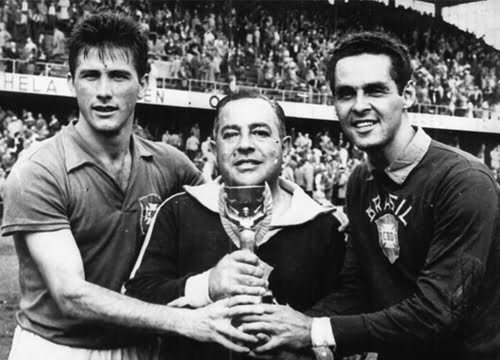
In the World Cup, Feola's hand was very important in winning the title, as the coach would make important changes to the team, such as the use of Zagallo on the left wing, as a point of balance, due to his ability to recompose the marking and give freedom to Mane Garrincha on the other side. And he let Pelé shine alongside Mané.
Failure in 1966
Feola would be the coach of the Brazilian team in 1962 World Cup, but an illness prevented him from leading the team. Between one spell and another at São Paulo, and an experience at Boca Juniors, in Argentina, the coach returned to command Brazil in 1966, in England, but the team ended up disappointing.
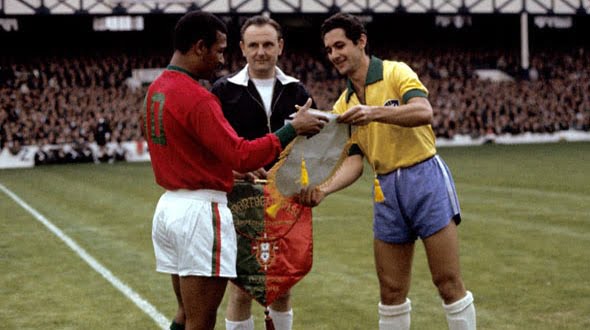
Before the FA Cup, Feola called up a group of more than 40 players for training. The team chosen had the champion base in 1958, with seven of the starters from the final against Sweden on the list. The campaign ended with the defeat to Eusébio's Portugal, 3-1, in Liverpool, with two goals from Panther Negra.
Important figure
Feola would not lead the team again, but he continued to be an important figure. Coach Zagallo asked him for advice during the 1970 World Cup, in Mexico, which ended Brazil's third championship.
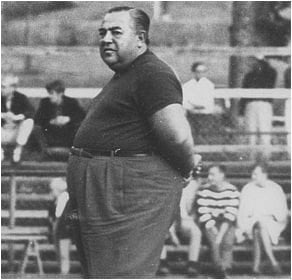
Feola was a good-natured type and a friend of the players, but he was not well regarded by some sectors of the sports chronicle that followed the Brazilian team.
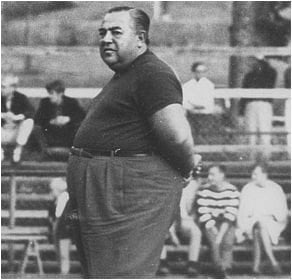
In some games, he was accused of napping on the bench, which was pointed out as a consequence of the medication he took due to his problematic health, as he was very obese and weighed 150 kilos.
Vicente Ítalo Feola died in São Paulo on November 6, 1975, aged 66.
Feola Games and Titles
Adding the friendlies, Vicente Feola He led Brazil in 74 games, with 54 wins, 12 draws and 8 defeats. In addition to the 1958 World Cup, he won the following titles with the Seleção: Taça Oswaldo Cruz (1958), Taça Bernardo O'Higgins (1959), Copa Roca (1960) and Atlantic Cup (1960).
With São Paulo, Feola won the Campeonato Paulista in 1948 and 1949.