
































Get to know all the existing colors and understand the political, economic and social meanings of each one.
Because the Italian passport and wine?
This information may take you by surprise, but the color of your passport is not a mere coincidence or a random choice. It is also not because, in Brazil, blue is used in other official documents, such as the work card.
The official parameters for the configuration and shade of passports are defined by the International Civil Aviation Organization (in English, International Civil Aviation Organization – ICAO). From them, nations can choose the color and shape that best suits their internal interests. Among the possible options are the colors: blue, black, green and red.
Both the color used by Brazil and the shades used by other countries indicate geopolitical decisions. See below the colors of existing passports and their meanings:
RED and wine
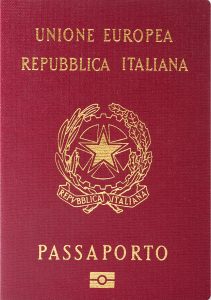
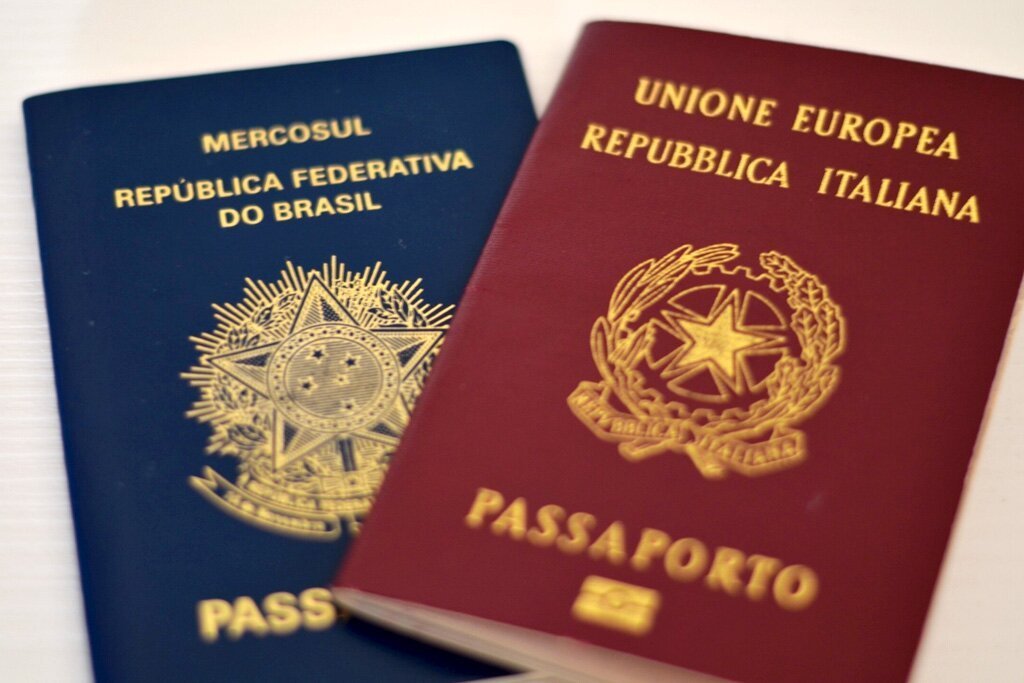
Somewhat problematic during the Cold War, this color was often used in passports of citizens of communist nations. Today, the color still indicates the Soviet past or present of these countries, such as Bulgaria, Russia and China. Since then, it has been adopted – in a wine-colored tone – by Italy and other countries that are part of the European Union. Countries that want to join the European economic bloc, such as Turkey, also adopt the reddish tone.
GREEN
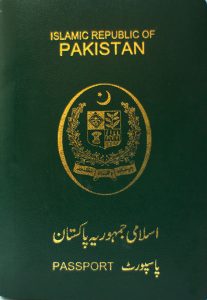
Coloring is no longer adopted by countries that have an abundance of nature. In fact, if you notice, most nations that have greenish flags follow Islam as their predominant religion.
This is because Muslims have a very strong connection with green, as it is believed that the color was the prophet Muhammad's favorite. Countries that follow the Quran, such as Saudi Arabia, Egypt, Morocco and Pakistan, therefore opt for the tonality. Africans such as Ghana and Ivory Coast, belonging to the Economic Community of West African States (ECOWAS), also chose coloring to distinguish themselves.
BLUE
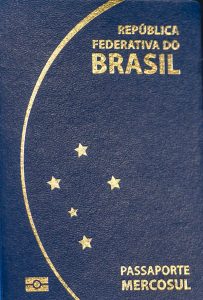
The tone is the most common on the American continent and is used by two economic blocs. Thanks to their affiliations with Mercosur, Brazil, Argentina, Paraguay, Uruguay and Venezuela boast a blue passport, as do Central American countries that are part of the Caribbean Community (CARICOM).
The United States, until 1976, had a green passport, but due to the bicentenary of the country's independence, the government decided to adopt blue to resemble its flag.

BLACK
Among the four colors, black is the rarest. New Zealand and Mexico use it, but it is more common on the African continent, in countries such as Congo, Botswana and Angola. In the United States, only people with special authorization, provided with diplomatic benefits, use this passport, instead of the blue one.
PINK
When a citizen loses or is unable to obtain their official passport in time for an urgent trip in the Netherlands, an emergency replacement is used. To identify these individuals, the country employs pink passports.
by Giovanna Fontenelle/TRAVELERS’ MANUAL
READ TOO

FOLLOW-US