
































Document was approved by the government this Monday
Italian Interior Minister Matteo Salvini announced on Facebook, on Monday morning (24), the unanimous approval by the Council of Ministers of the new security and immigration decree law which, among other things, extends the legal deadline for completing the Italian citizenship process through marriage, the so-called naturalization, from the current two years to four years.
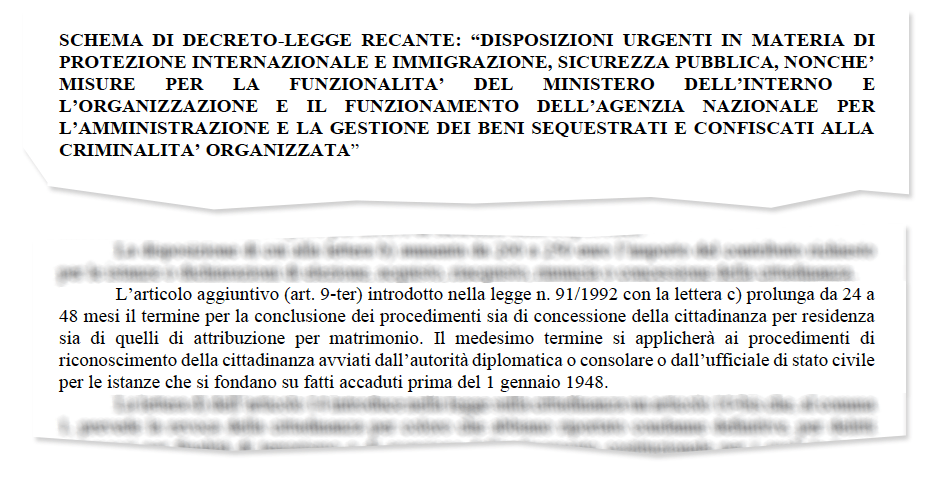
Part in Italian of the decree that increases the time to complete the naturalization process from 2 years to 4
Confirming what had been announced by the League, the "Salvini Decree" does not include restrictions on granting Italian citizenship "jus sanguinis" (right of blood). A purported version of the text released by a local agency stated that only descendants up to the second degree could obtain citizenship, but this measure is not in the final document.
Therefore, the new text of the decree approved today is dubious, and will allow the commune official, chosen by the applicant to carry out the citizenship process, to extend the deadline for completion to 4 years.
The decree now goes to President Sergio Mattarella's office, who is responsible for sanctioning it. After this stage, the text becomes effective immediately, but Parliament will have 60 days to approve or revoke it.
'Salvini Decree' restricts humanitarian protection in Italy
The “Salvini Decree” is the project that is the League secretary’s main instrument to direct migration and security policies in the country, already toughened with the decision to close ports to migrants rescued at sea.
The text abolishes so-called “humanitarian protection”, one of the three forms of protection guaranteed to foreigners in Italy, alongside refuge and subsidiary protection, the latter being regulated by international treaties.
However, according to Salvini, the country will continue to allow entry for humanitarian reasons in six situations: victims of “serious exploitation”, health reasons, domestic violence and calamity, people seeking medical treatment or who have carried out “acts of particular value civic".
The decree also provides for the suspension of asylum requests and the immediate expulsion of international displaced persons convicted in the first degree of sexual violence, aggravated injury or outrage against a public official, or of migrants who represent a “social danger”.
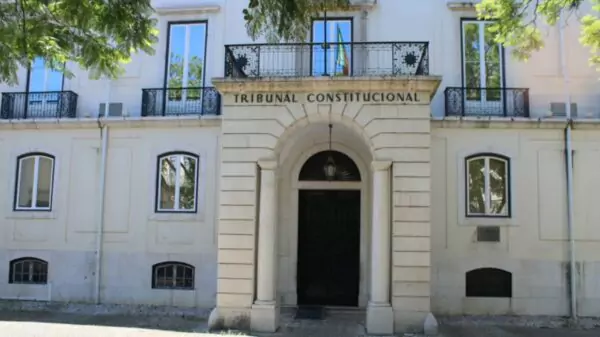
Furthermore, people considered "dangerous to the State," such as those convicted of terrorism, could lose their Italian citizenship, even though the Constitutional Court has already classified this as an "inviolable right." Salvini also intends to reduce the government's annual spending on refugees by 1,5 billion euros.
The measure also increases the maximum period of detention for migrants in repatriation centers from 45 to 90 days, makes it more difficult to rent vans and increases penalties for those who “abusively” occupy buildings and land, an action aimed mainly at curbing gypsy camps.
“It is a decree to combat mafiosi and human traffickers more forcefully, to reduce the costs of exaggerated immigration, to expel criminals and false refugees more quickly, to deprive terrorists of their citizenship, to give more power to forces of order.” , declared Salvini on Facebook.
One of the tasks of the head of state is to evaluate the constitutionality of the decree, and Italian newspapers question whether the expulsion of asylum seekers convicted in the first instance can be blocked by the Constitutional Court, as there would still be the possibility of acquittal in higher courts.
Since the beginning of the year, Italy has already received 21.024 internationally displaced people via the Mediterranean Sea, which represents a drop of almost 80% compared to the same period in 2017.