


























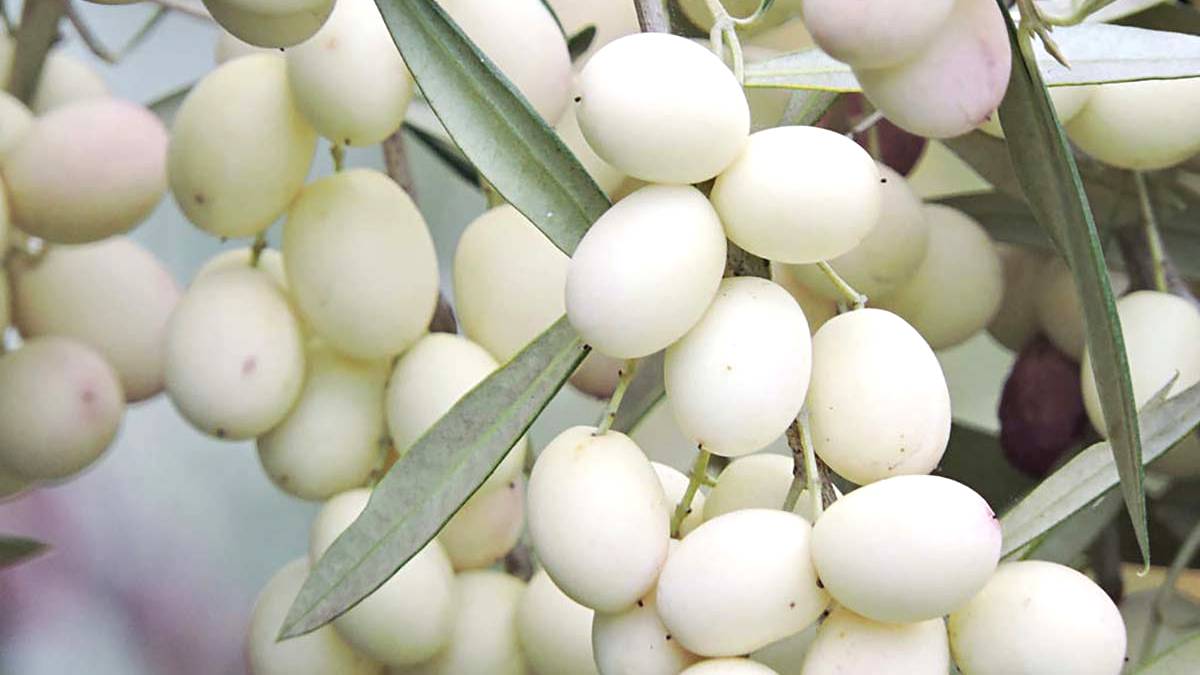
The olive tree, the symbol of Calabria, never ceases to surprise us. Italian farmers discovered in the region, precisely in the provinces of Cosenza and Reggio Calabria, one of the rarest species: the leucocarpa.
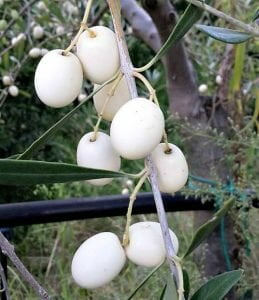
Also called leucolea (which means “white oil”), it is a variety of olive characterized by small fruits that, during ripening, take on an ivory-white color.
A few years ago it was found in the vicinity of farms that previously belonged to monasteries, particularly widespread in Calabria between the 7th and 10th centuries.
Read also Administrative or judicial: the legal paths to obtaining Italian citizenship
The four specimens found, thanks to enlightened olive growers and agronomists, were saved and reproduced with new grafts, giving life to these beautiful and ancient species. Research is still ongoing, but leucolea seedlings are found in some nurseries in the region.
As historical sources report, the monks were responsible for planting and probably took care of these olive trees to use them in their activities.
Leukoleia oil, very clear, was also called “chrism oil” and was used in liturgical acts to anoint priests and high Byzantine imperial positions, in coronation ceremonies of emperors and, above all, as sacred oil in religious acts, such as baptism, confirmation and anointing of the sick.
Furthermore, the precious leucolea oil was also used to power lamps in sacred places. Precisely because it produces little smoke when burned.