






















“Traitor of the great Italian cuisine.”
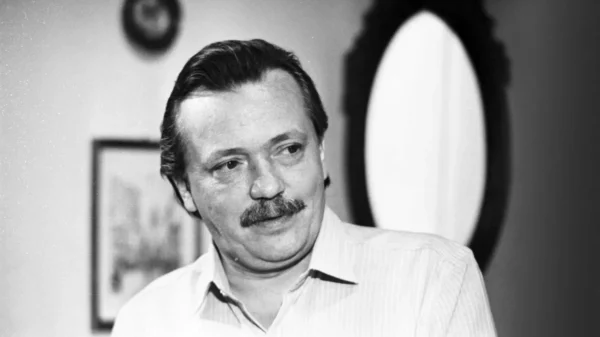
That's how Albert Grandi, professor of Food History at the University of Parma, Italy, has been described on social media.
Book author Invented Designation of Origin. Marketing lies about typical Italian products, Grandi gained fame by debunking what he calls “myths” surrounding the country’s gastronomy.
In a recent interview with the British newspaper Financial Times, he once again made bold statements — and the repercussions were overwhelming.
After all, who in their right mind would dare to raise doubts about the authenticity of Italian cuisine, elevated to sacrosanct status, and of which practically every citizen is proud, a legitimate calling card for tourists from all over the world?
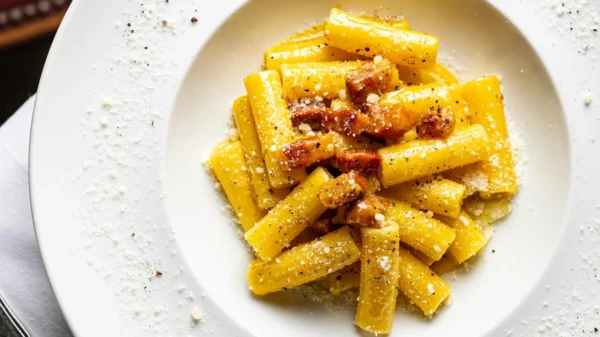
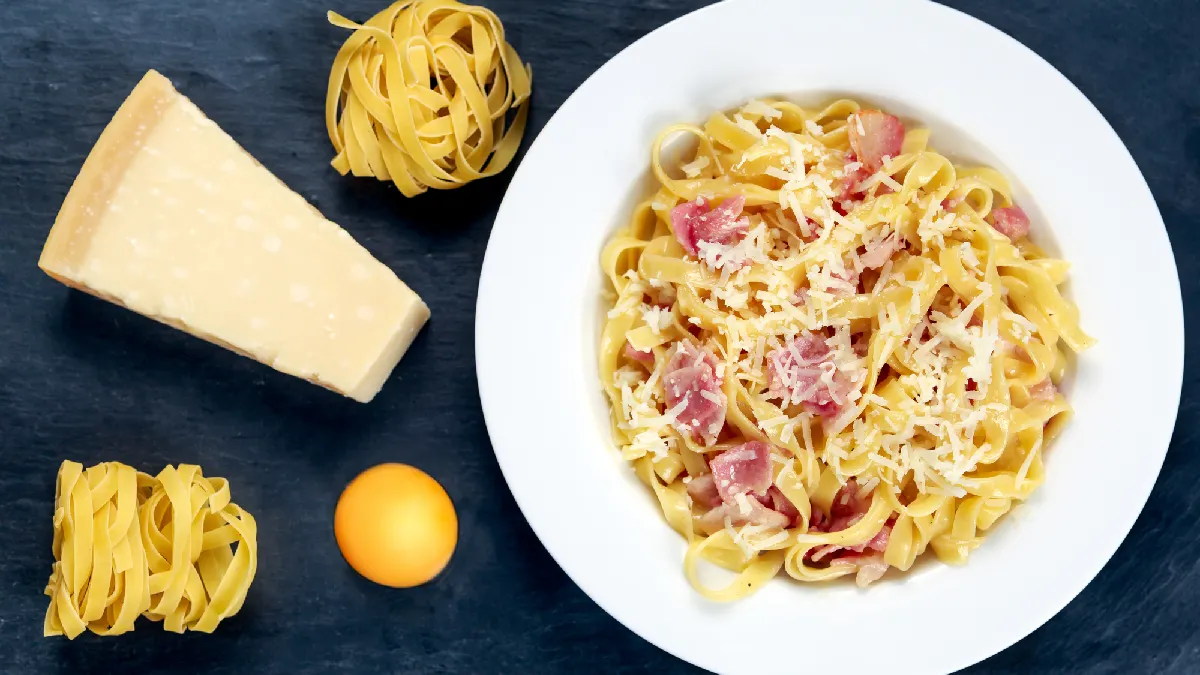
Grandi said, for example, that the carbonara recipe is American and the Parmesan cheese “with original characteristics” can only be found in the State of Wisconsin, in the United States.
This is just a few days after the Italian government proposed that Italian cuisine be nominated for UNESCO World Heritage status, the UN's arm for education and culture.
The counterattack, almost naturally, came from all sides.
starting with Matteo Salvini, leader of the nationalist League party and current Minister of Infrastructure, for whom the professor is an “envious expert” who feeds “newspapers that are jealous of Italian gastronomic excellence".
Coldiretti, the main organization of agricultural growers in Italy, classified the professor's statements as “a surreal attack on the symbolic dishes of Italian cuisine”.
In an interview with BBC Brasil News, Grandi says that the idea of nominating Italian cuisine as a UNESCO heritage site is “very sad”.
“What is the reason for this? Italian cuisine is like others, like French, Chinese and Brazilian. Each one has its own identity, its own story. There is no structural reason to say that ours is better. Italian cuisine is only the best for those who like it.”
The UNESCO assessment process must be completed by December 2025.
Identity crisis
For Grandi, Italians' attachment to their own cuisine is something recent.
“The kitchen has become an element of identity for Italians beyond all reasonableness. I am convinced that Italy is losing its identity and appeals to its gastronomy for a sense of nation. That’s why my statements cause so much outcry”, he says.
“In my opinion, Italian cuisine is very good, full of rich recipes, historical interest and extraordinary products, but that is just one opinion among seven billion human beings.”
“Many of the culinary specialties that we believe to be ancient are actually recent inventions. The archaic origins of many of these recipes are lies, advertising narratives invented in the 1970s, after the Italian industrial crisis. Entrepreneurs and farmers needed to build a new Italian image to appeal to international markets, without having to invest in research and innovation.”
For Grandi, who is originally from Mantova, in the Emilia-Romagna region (northern Italy), the Italian immigration is another factor that has contributed to the reputation of Italian cuisine internationally.
“The Italians spread throughout the world. In my city, for example, almost everyone who emigrated went to Brazil. These Italians in Brazil are also fundamental to the history of Italian cuisine.”
“Furthermore, our cuisine is very simple, both in terms of ingredients and preparations, which gives it a domestic dimension.” (BBC News Brazil)