




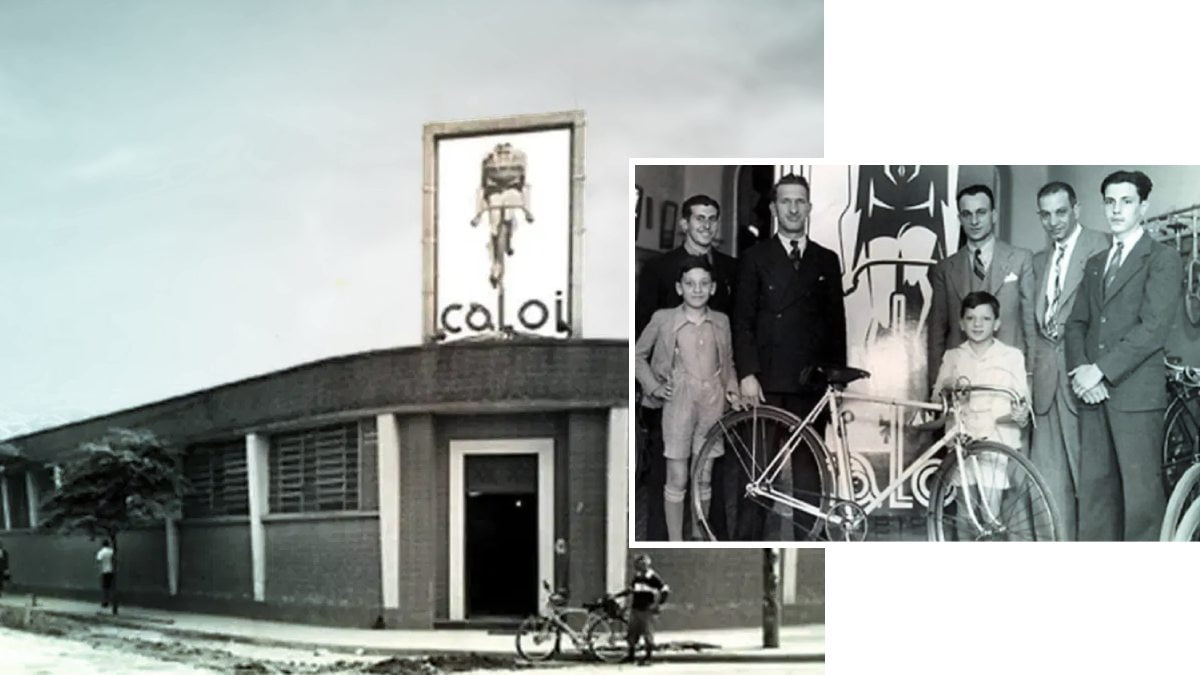
Luigi Caloi arrived in Brazil in 1898 and founded a bicycle workshop and import company. Italy. It was the seed of one of the main brands in the country.
The Italian Luigi was another one who came to try a new life in Brazil, just as they did thousands of immigrants between the end of the 19th century and the beginning of the 20th century. Born in 1868 in Erbe, city in the region of Veneto, in the province of Verona, he brought his brother-in-law Agenore Poletti, a very skilled mechanic.
His dream was to make the best bicycle, using the most advanced technology possible. At first, the two opened the Casa Poletti & Caloi, which rented, repaired and refurbished traditional racing bicycles Clube Atlético Paulistano, in Sao Paulo.
In 1922, Luigi became the exclusive representative of the Italian bicycle factory Bianchi in the country. Just two years later, in 1924, Luigi died, leaving his wife Alpinice and the three children, Guido, Henry e Jose Pedro. They decided to move forward with the company, which was renamed Caloi Brothers.
Caloi opens first factory
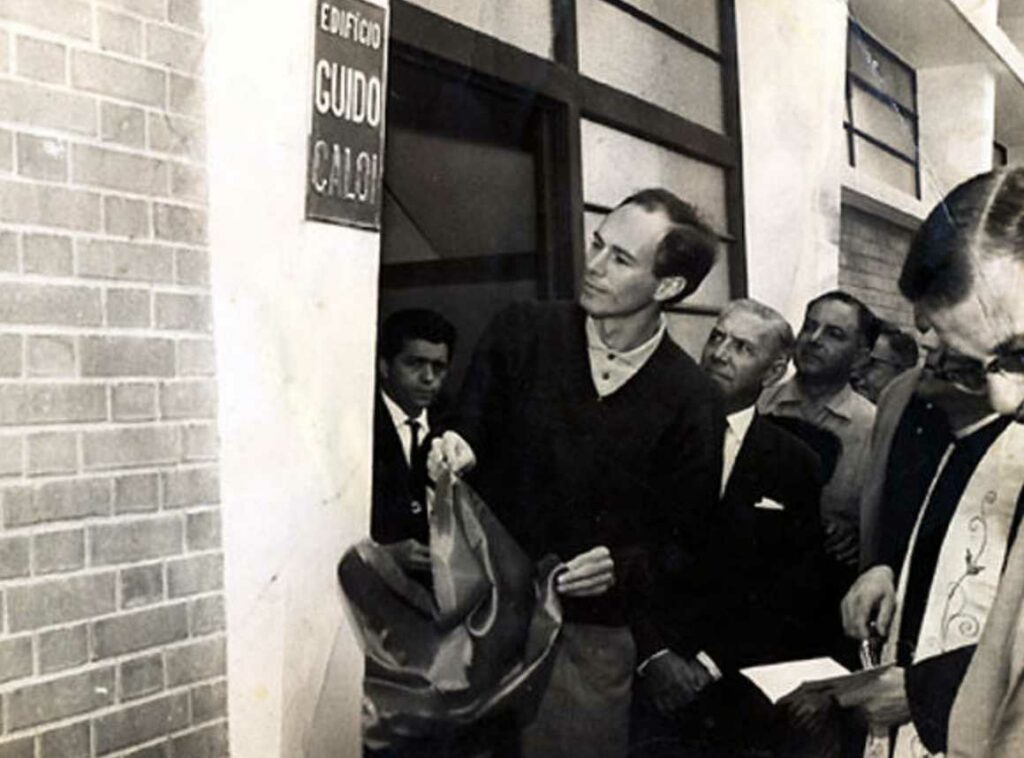
However, the Irmãos Caloi partnership also ended up being short-lived and the company became just a Guido Caloi, son of Luigi also born in Erbè, Italy. The company was named from then on Luiz Caloi House, in honor of his father.
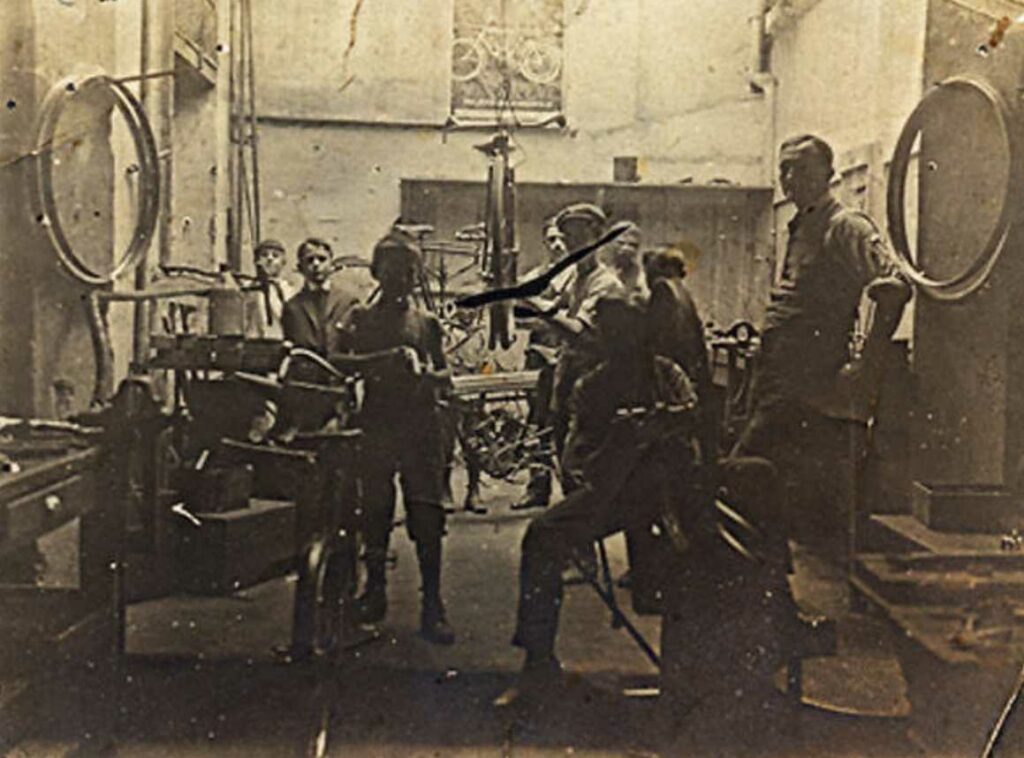
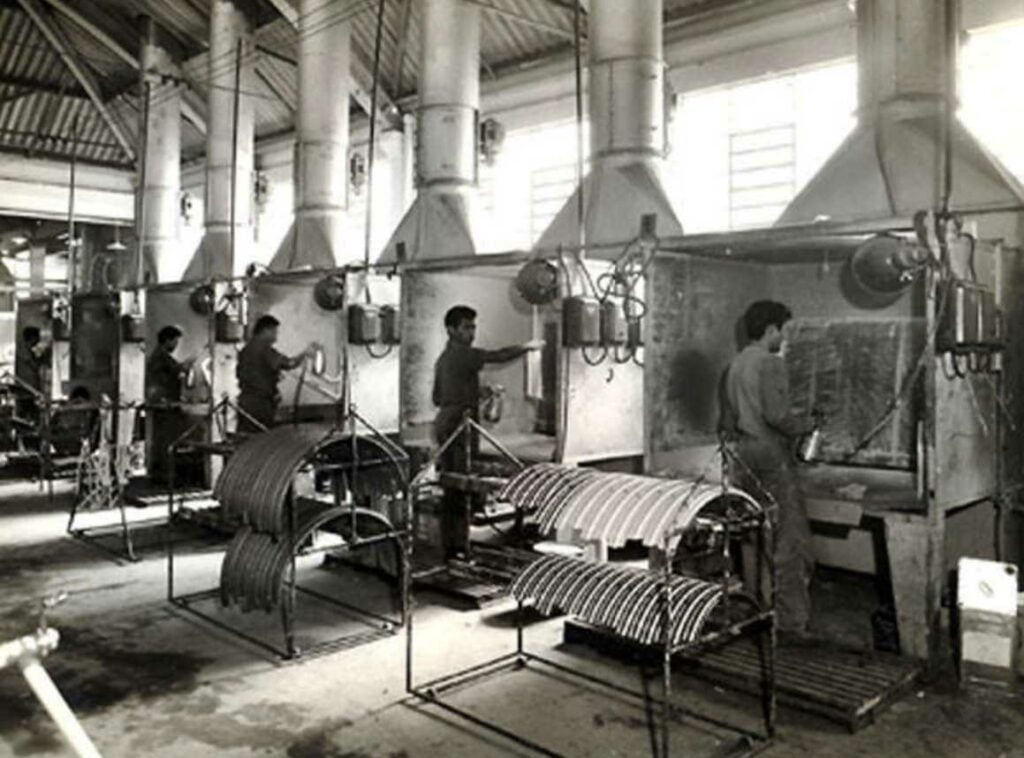
In 1945 the Second World War brought enormous difficulties in importing products from Europe, which forced Guido to start producing spare parts in a warehouse in Brooklyn neighborhood, in Sao Paulo.
The initiative proved to be the right one and, even after the war ended and the import of parts was regularized in 1948, Guido remained confident in the company's new phase and maintained its own manufacturing.
The company was renamed Bicycle Industry and Commerce Caloi SA and went down in history as the first bicycle factory in Brazil.
The brand's first launch came in 1953, with the Fiorentina model, a bicycle equipped with a 26-inch rim (new at the time), rod brake, luggage rack and leather tool bag under the saddle.
In 1955, Guido Caloi died, giving way to the third generation of the family in the management of the company, which was now led by his son, Bruno Antônio Caloi.
Launches consolidate brand in the country
At the end of the 60s, the company launched the Berlineta model, a folding bicycle, which became an object of desire for children and teenagers at the time.
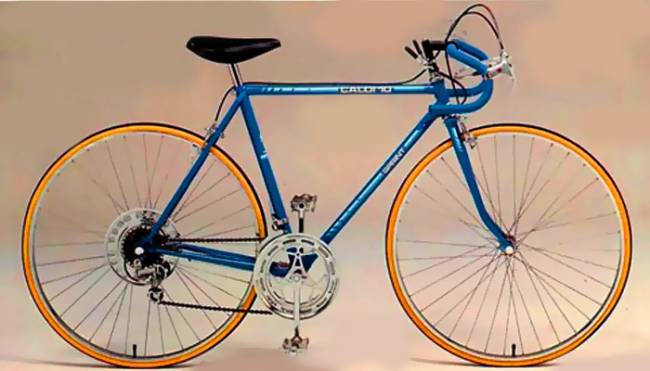
The brand's consolidation came in the 70s, when the company launched the Caloi 10, model with a frame inspired by the Bianchi San Remo bicycle, with 10 gears. First sports bike Launched in Brazil, it became a rage among young people.
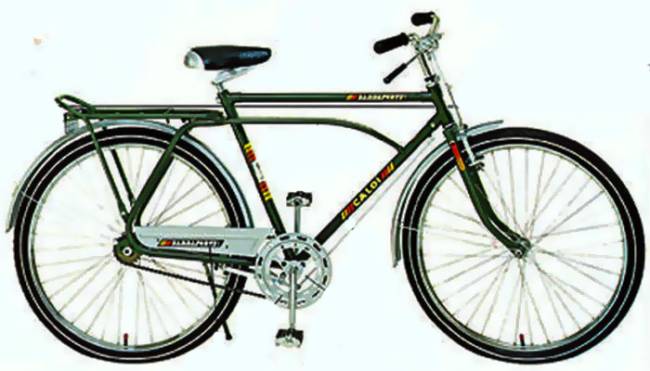
Another major launch was the Barraforte, which has become synonymous with resistance. A robust bicycle, with a carbon steel, developed to transport cyclists safely and comfortably, which has become a historical reference in the transport segment in the country.
In 1975, in rapid expansion, the company opened another factory. Located in Manaus, the new unit aimed to produce bicycles high added value.
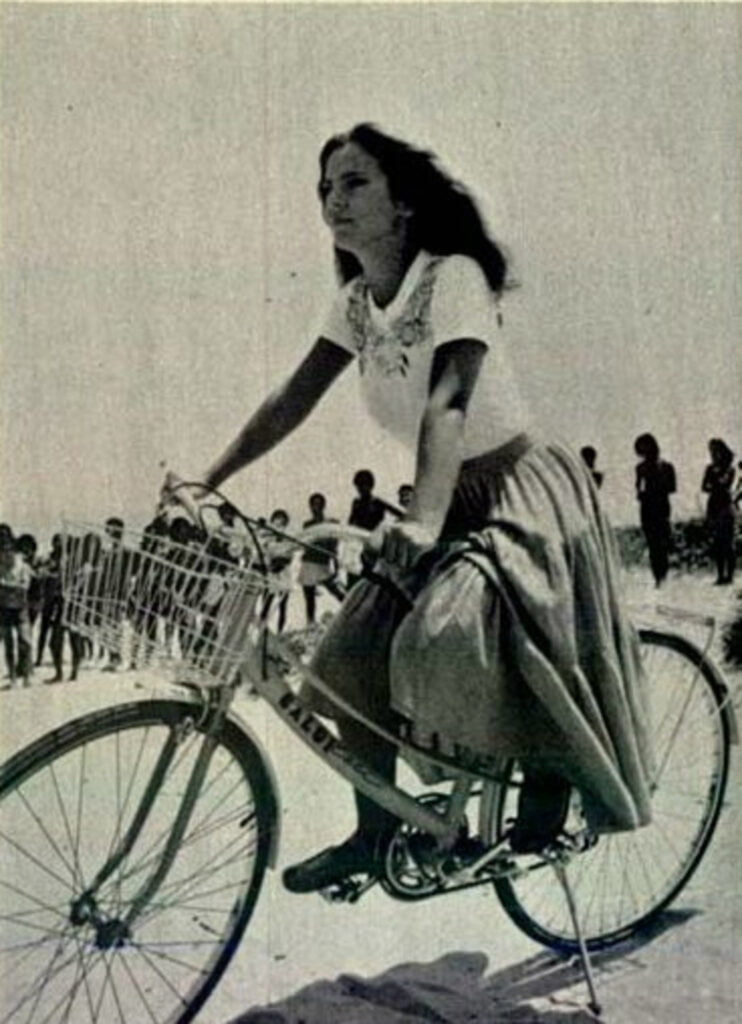
The first launch in this sense was the Caloi Ceci, at the end of that decade. It was the first women's bicycle on the Brazilian market. The basket at the front was a trademark of this model. The television commercial featured the actress Bruna Lombardi as a poster girl.
Success after success
Another innovation of the 70s was the Mobilette, a 49.9 cylinder moped, which became a huge sales success. A single three-liter gas tank was enough for many kilometers. With production ending at the end of decade 80, it has become an important nostalgia item on the collectors market.
At the beginning of the 80s, the launch of Caloi Cross Extralight marked the arrival of BMX to Brazil. The wheels were 20" with biscuit tires. The aluminum parts were colored, an unprecedented event at the time. It marked a generation of Brazilian boys, who dreamed of this bike.
The 90s brought models mountain bike. First came the carbon steel 15-speed bikes and then the Caloi Aluminum, a cutting-edge and high-tech model for the Brazilian market at the time: aluminum frame produced by Alcoa, with forks also made of aluminum supplied by the French company Vitus and the unprecedented 21-speed transmission.
Innovations in the design and functionality of bikes continued to win over more and more customers, including in United States, where Caloi opened a subsidiary in 1990, in Jacksonville, the Florida. Furthermore, the brand sponsored the seven-time champion of Tour de France, the american Lance Armstrong, on the Motorola/Caloi team.
Opening of the market brings changes
Until 1992, when the Brazilian market considerably reduced its barriers against imports, the caloi had as its competitor only Monarch. After opening, the brand began to face financial problems.
The company was run by the Caloi family until 1999, when most of the shares were sold to Edson Vaz Musa, respected business administrator and former president of Rhodia in Brazil.
Since then, Caloi has worked to make the brand synonymous with bikes and fitness, adding health, sport and leisure to its name. In 2006, a modern factory was opened in Atibaia and, in 2008, Caloi celebrated 110 years of selling 700 thousand bicycles and 100 thousand devices homefitness.
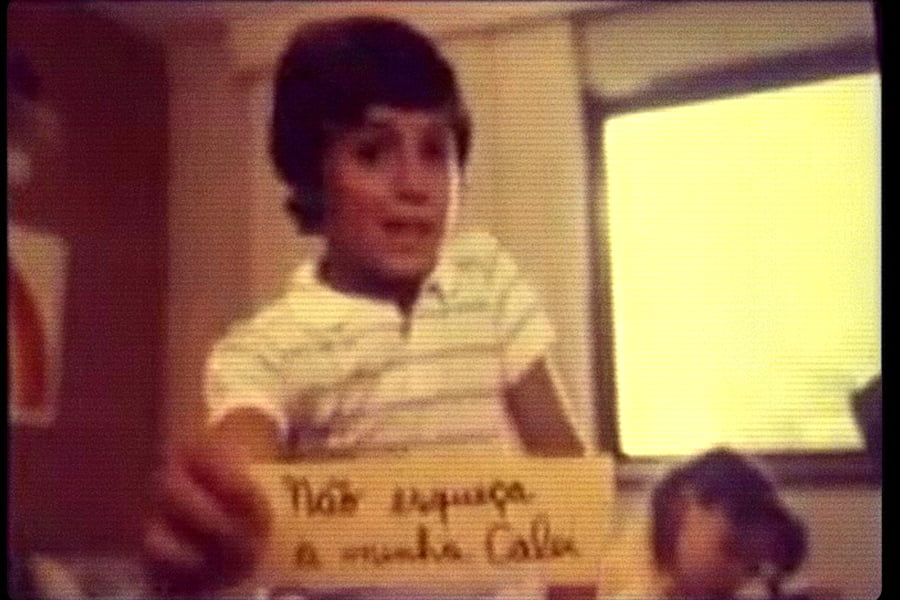
Caloi's slogan, which in 1978 was “Don’t forget my Caloi”, mainly in television commercials, which encouraged children to write notes to their parents, became “Caloi. Moving Life.”, to also sell bicycles and exercise treadmills.
In August 2013, 70% of Caloi shares were sold to the Canadian company Dorel, which owns brands such as Cannondale, Schwinn e GT. Eduardo Musa is the CEO of the company in Brazil.
Caloi remains alive in the industry and in his dream
The company has modernized its product line to keep up international trends and continue leading the market with products of the highest level. The strategy includes electric bikes and produced in carbon fiber, which can cost R$20. And it continues to support athletes from the most diverse sports.
Caloi is in the memory of generations and generations of Brazilians, whether professional cyclists or children who one day received their first bicycle as a gift. The smell of new rubber from the tires. THE excitement of the first lap on the block. The screams of joy when the father took his hands off the handlebars and the pedaling became independent.
These are emotions made possible by courage of an Italian, Luigi Caloi, who saw his dream materialize and also become the dream of thousands of Brazilians for many decades, in the country that welcomed him with open arms.
By Roberto Schiavon/Italianism
FOLLOW ITALIANISM