




















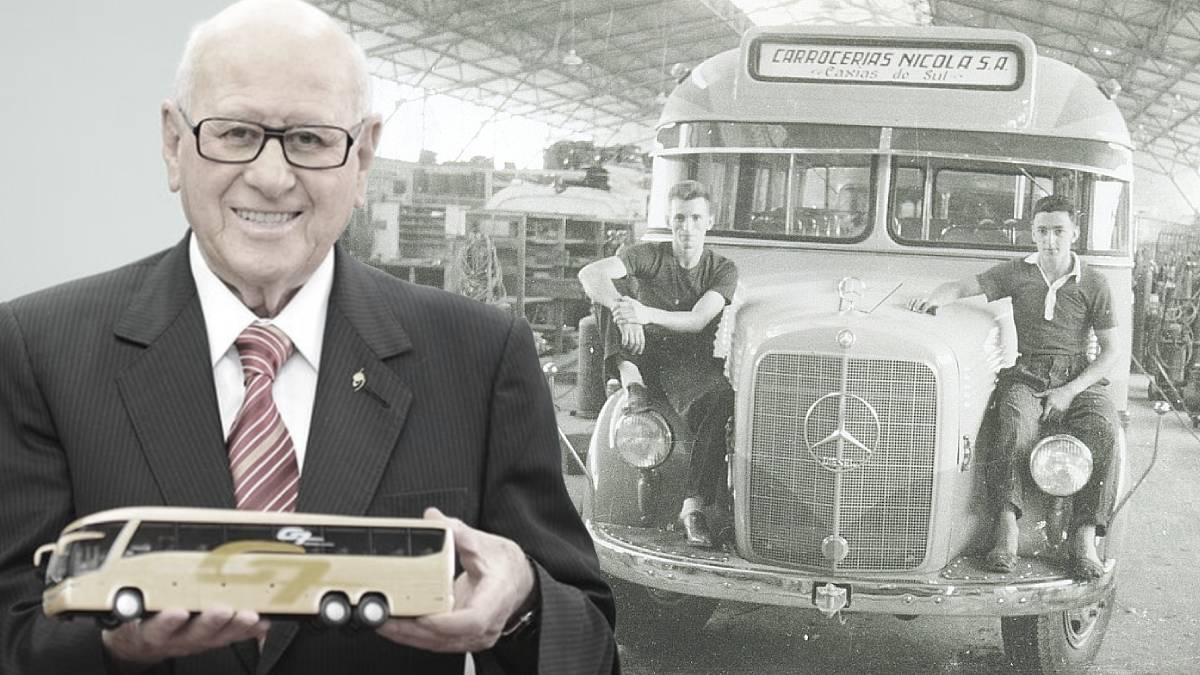
Os Bellini founded the Marco Polo, a global reference in bus bodies. The company was created on the initiative of Paulo Bellini.
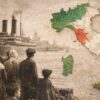
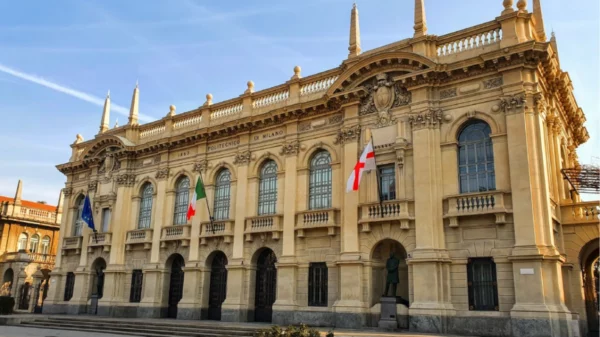
It all started in 1895, when Giuseppe Maria Bellini and your wife Maria left the city of San Benedetto Po, in the province of Mantova, region of Lombardia, in Italy, and arrived in Brazil.

Just like thousands of Italian immigrants At that time, José (as his Brazilian name became) and Maria chose the city of Caxias do Sul, in Rio Grande do Sul, to live, work and grow the family.
In the following years, Alberto Bellini, son of Joseph and Mary, then married to Ermelinda Segalla Bellini, he would honor his parents' vocation as a pioneer and become one of the pioneers in planting wheat in that region of the country. Furthermore, Alberto founded and directed the Bellini Metalúrgica.
Em January 20, 1927 , Paulo Bellini was born, son of Alberto and Ermelinda and grandson of Maria and José, the first in the family to arrive in Brazil.
Beginning of public transport
It is important to remember that, at the beginning of the 20th century, the public passenger transport, which had been created in 1908 in Rio de Janeiro, was taking its first steps.

Until the end of the 19th century, people moved on foot, over the animal loins and then in steam trains, animal-drawn trams e electric trams.
In the 1920s and 1930s, the urbanization of the country grew and the emergence of buses made the transportation of people faster, simpler and cheaper.
In this context, Paulo Bellini grew up in Caxias do Sul and another family of Italian descendants, the Nicola brothers, set up a workshop specializing in repair and paint truck cabins.
Soon the brothers Doracy, Dorval, João and Nélson Nicola became known for the quality of the services provided, including transforming old trucks into new buses, through mastery of the art of bodywork.
Paulo Bellini enters society
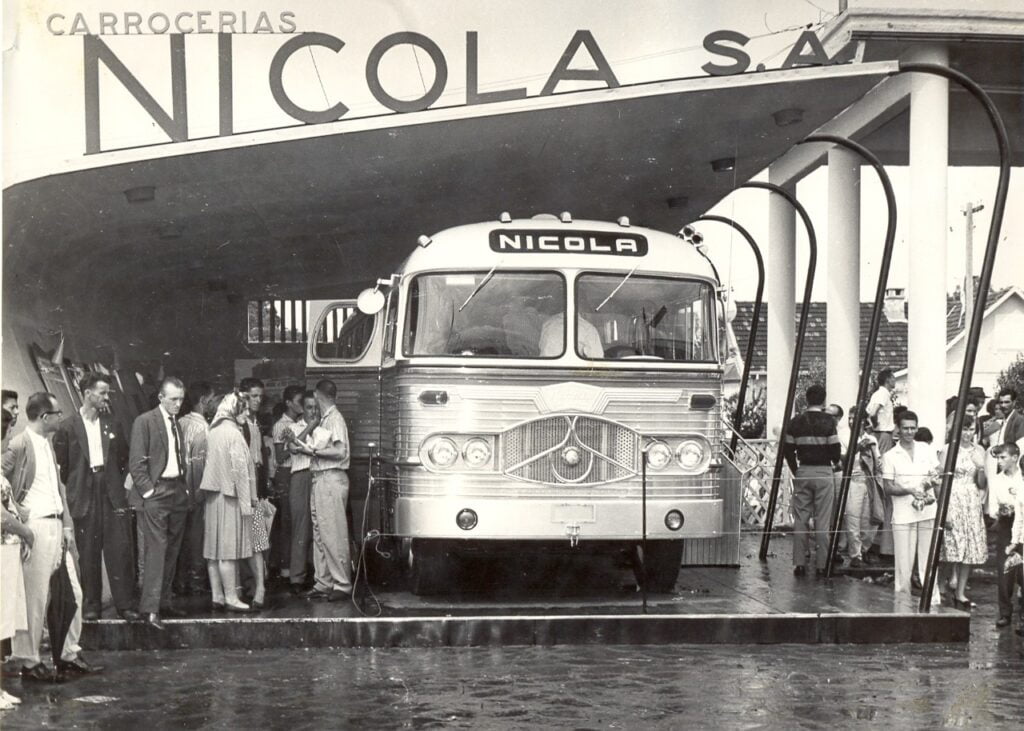
As there was no company specialized in producing buses in Brazil, they were imported or assembled in the country through the use of creativity, which was the difference between the Nicola brothers.
Company Nicola & Cia Ltda was registered in August 6th, 1949 and was installed in a warehouse with a dirt floor in the central area of Caxias do Sul, with 17 employees.
Despite the learning season, as there were many complaints about misalignment of the axles and sealing problems that let rainwater enter the cars, for example, the company began to emerge on the market.
In 1951, when part of the Nicola brothers' partners left the business, they met the young Paulo Bellini, then with 22 years and recently graduated from Business Administration. With the help of his father, Alberto Bellini, he bought the share available in the company and became business partner.
Thus, Paulo became responsible for the activities of company management, in the commercial, purchasing, financial and public relations areas.
Steel bodies
At the time, the use of wood to build buses was already a thing of the past and the company faced the challenge of improving itself to build bodies made of steel.
The company began to develop specific techniques and production processes for buses, opening a segment in the automotive industry practically from scratch, as the existing chassis were suitable for trucks. Thus, in 1952 it was handed over to first all-metal structure.

In 1961, the company already entered the foreign market, carrying out the first Brazilian bus export protocols for Uruguay. At the end of the same decade, the Marcopolo model, named after the navigator of Venice.
The success was so great that, in 1971, the company, until then still known as Nicola Bodies, adopted the name Marco Polo. A new name came in handy, because the partnership with the Nicola brothers had ended at the end of the 1960s.
Bellini perfects production
With the departure of the former partners, Bellini invited Valter Gomes Pinto e José Fernandes Martins to help with business administration. The two ended up being great partners and would become directors of the company.
In the 70s, techniques were improved, with the arrival of more Italians to Brazil with knowledge of locksmith, which were incorporated into the group.

In the years 1980, Paulo Bellini and the then industrial director, Claudio Gomes, went to visit companies in Japan to learn about techniques such as just in time e kanban, which increased employee motivation and productivity.
Thus, the entrepreneur introduced into the company the Marcopolo production system, focused on appreciation and employee improvement for large-scale production of “customized buses”. This was how he defined his products, comparing the factory to a great tailoring, where the chassis is the pants and the body, the jacket.
Imports make a multinational company
With the market in full expansion, imports were growing, until in 1990 the company began its internationalization process and became a Brazilian multinational.
Marcopolo started to not only sell to more than 100 countries, as it began to open factories outside Brazil. First in Portugal and then in Argentina, Mexico, Colombia, South Africa, Russia and India.
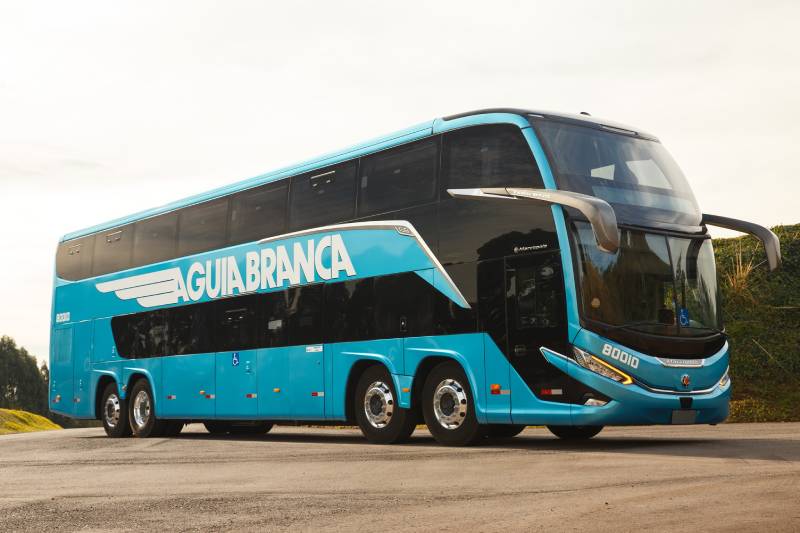
In the 2000s, the company stood out in the production of the first bus with removable roof. They were supplied to a customer Middle East and used on pilgrimages to the cities of Mecca and Medina.
It was innovations of this size that brought other customers, including orders for the project transantiago, at Chile. Deliveries within very short deadlines have made the company world reference in the production of high volumes, customized and com express delivery.
Record revenue
In the year of 2001, Marcopolo broke the barrier of R$1 billion in revenue, with 60% of its revenue coming from abroad. The group closed that year with the sale of 3.100 bus units in the foreign market.
Today the company is one of the largest bus body manufacturers in the world, with dozens of factories spread across five continents,. In 2019, the company recorded record revenue of R$4,3 billion with net income of R $ 212 million.
Valter Gomes Pinto, director and right-hand man of Bellini, who played a fundamental role in the creation of the new Marcopolo brand, in the late 1960s, died in 2013, aged 81.
Bellini honors Italian roots

In 2016, Paulo Bellini received the honorary citizenship of San Benedetto Po, in Italy, the city where his grandfather, Giuseppe Maria Bellini, was born. "My Italian spirit It lies both in the joy of living, listening to good music, enjoying good food, being with friends, and in fidelity to values and solid principles which were passed down to me by my grandfather and my father. Therefore, the recognition also goes to them”, he declared at the time.
In 2017, Paulo Bellini died at age 90, in Caxias do Sul, a city that his family explored and which entered the map as the headquarters of one of the strongest companies in the world. history of Brazilian industry.
His wife, Maria Célia, was already deceased. He left behind his sons James Eduardo, Mauro Gilberto and Paulo, known as Paulinho. And one gigantic legacy, built by another Italian immigrant family who arrived in the country with little money, but a lot desire to prosper.
By Roberto Schiavon/Italianism
FOLLOW ITALIANISM