
















The singer Italian-Brazilian Zizi Possi has been enchanting music lovers for over 50 years with successful albums and tours. As if that weren't enough, she's also the mother of the singer... Luiza Possi, which carries forward the name and talent of this unique singer of Brazilian Popular Music (MPB).
Maria Izildinha Possi was born on March 28, 1956 in the traditional neighborhood of Brás, in São Paulo. Granddaughter and great-granddaughter of Italians, she has an older brother, the theater director José Possi Neto, born on February 2, 1947. Another brother, Luiz Possi, known as Neco, died in 2011.
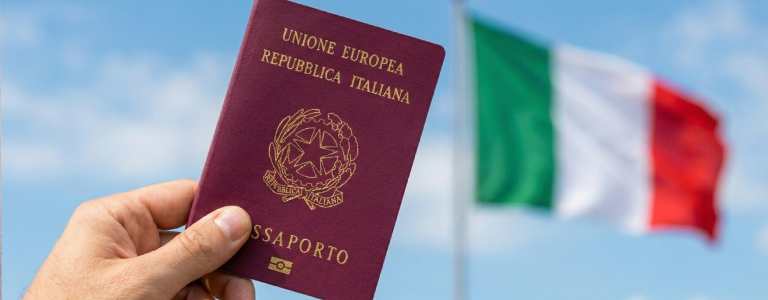
The name Maria Izildinha was given in honor of Holy Girl Izildinha, out of devotion to his mother.
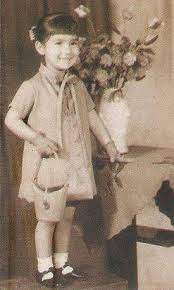
Zizi Possi, the prodigy girl
She began studying piano very early, at the age of 5, and soon proved to be a student with precocious talentAt that time, his life was already almost entirely dedicated to music.
“I left the house very little when I was a child. I knew the street from the bars of my house, which was built entirely with Italian material by my grandfather, who came from Nápoles, in Italy, at the age of 15”, said Zizi Possi, in an interview with the Ensaio program, on TV Culture.
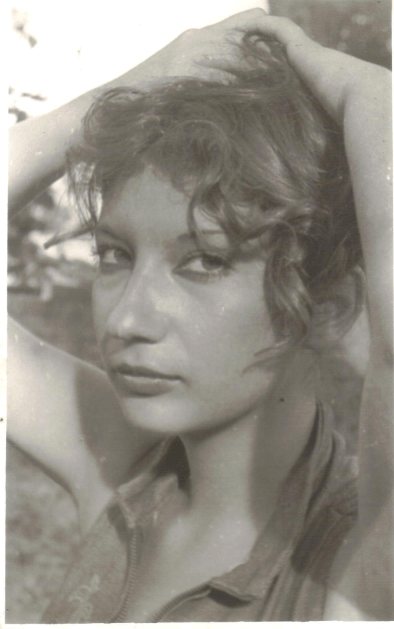
Zizi, the piano and the Italian family
According to Zizi Possi, her strict upbringing made her build a very strong internal world and helped to strengthen her ties with family.
“Every Tuesday I went to my aunt Assunta’s house to eat fusille with smoked ricotta grated in the red sauce, which she made divinely”, he added.
At the age of 18, Zizi Possi went to live with his older brother in Salvador, and for two years he studied Composition and Conducting at School of Music at the Federal University of Bahia, considered at the time the best in Latin America.
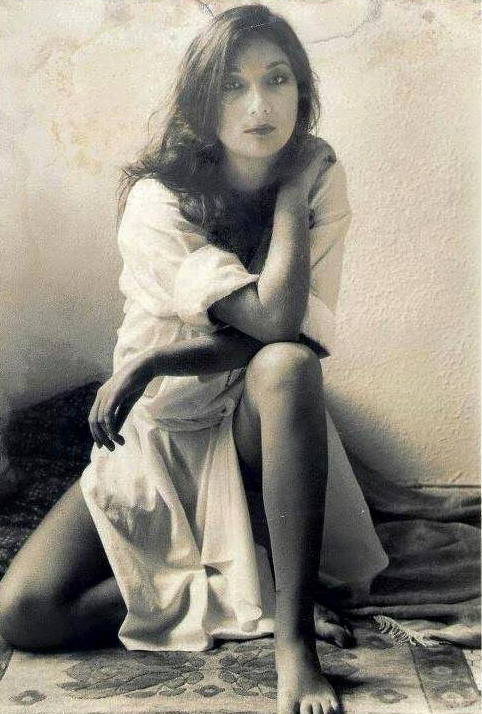
The beginning of his musical career
Still in Salvador, she was a music teacher in a project for the social and architectural restructuring of the Pelourinho and worked on theatrical and musical plays. In the productions, she performed, sang and composed some of the tracks.
Zizi Possi also recorded some jingles for Alcivando Luz, musician and advertising producer, and participated in specials on local television stations.
In 1977, the composer Roberto menescal, at the time artistic director of Philips record label, watched Zizi Possi for the first time, in a pilot TV program.
The following year, Brother José Possi Neto left Brazil when he won a work scholarship to New York. Alone in Bahia, Zizi decided to go to Rio de Janeiro, where he signed his first contract with Philips and released his first album, Flor do Mal.
Successes lined up
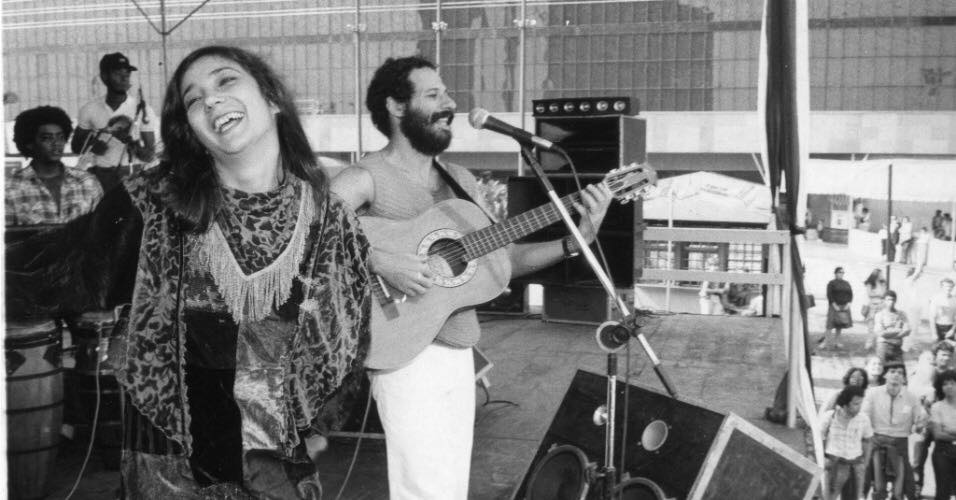
In the following two years, Zizi Possi established herself as a popular singer with hits such as Piece of me (recorded by her in 1978 at the invitation of Chico Buarque), Nunca, Meu Amigo, Meu Hói, Asa Morena, O Amor Vem Pra Cada Um (version of The Love Come To Everyone, by George Harrison), Caminhos de Sol, Danger, Peace and Forget and Come, among others.
In the 1990s, Zizi broke with his record company and returned to São Paulo, turning his career around. That's when she produced the records About All Things, brazilian waltz e Simpler.
With acoustic arrangements, a format that would become very popular in the following years, the three albums were considered masterpieces of his career, definitively marking his territory in Brazilian music.
Zizi Possi pays homage to its Italian roots
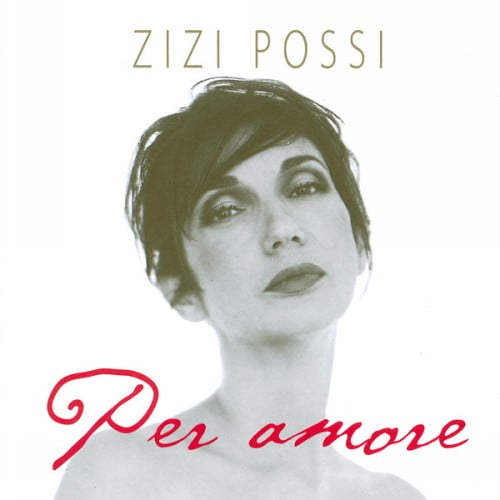
Then, in 1997, Zizi Possi decided to record a CD in Italian, which he named Per Amore. “I started choosing this repertoire in an attempt to honor my grandparents, who came from Italy”, he said.
The album was a resounding success, being applauded by critics and the public. The following year, Zizi released the CD Passion, considered a continuation of the album Per Amore. Together, the two albums sold more than 1 million copies.
The following album, Puro Prazer (1999), performed with just voice and piano, was nominated for the Latin Grammy in 3 categories and, although it was not publicized as it should have been, it sold more than 100.000 copies in less than 30 days.

Bossa nova and depression
In 2002, Zizi released the album Bossa, in which he performed famous and renowned songs, such as Yesterday (Beatles) and I Need to Learn to Be Only (Gilberto Gil) in bossa-nova rhythm. The album also featured the song Preciso Dizer Que te Amo, a partnership between Bebel Gilberto and Cazuza, which received his very personal interpretation.
Also in 2002, Zizi Possi already predicted the changes that were beginning to take shape in the music market and broke with Universal Music, remaining disconnected from contracts.
For the next three years, she was away from artistic life due to depression.
“If I had admitted it, had the humility to understand that I was depressed, I would have healed faster. Or rather, not cured, because there is no cure: I would have learned to live with depression. THE depression is an illness, like diabetes,” Zizi told Veja magazine.
English songs
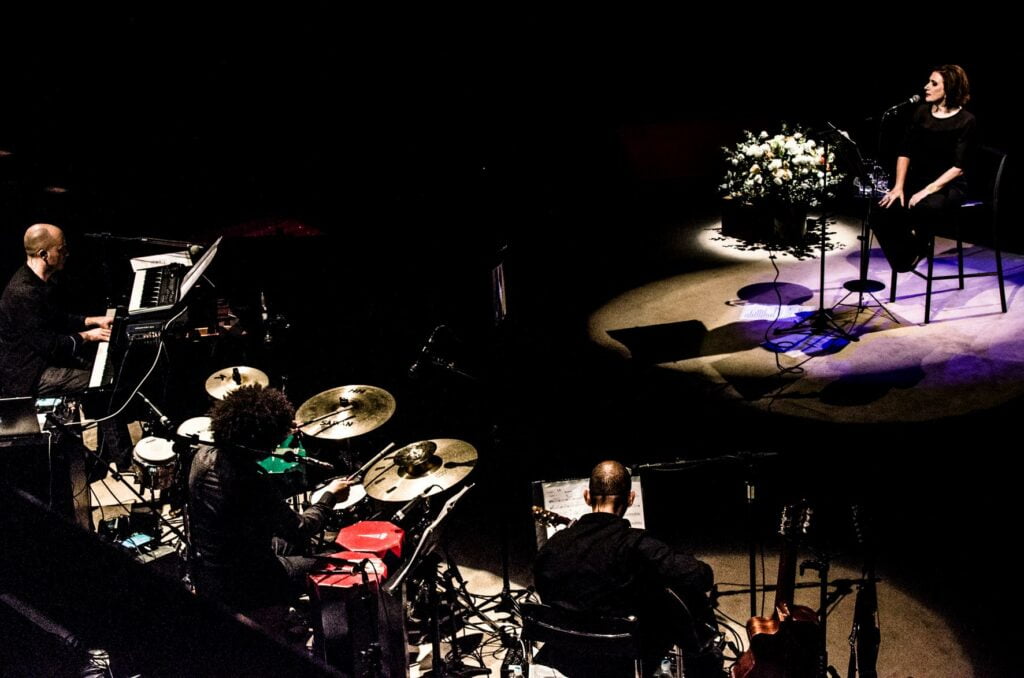
In 2005, Zizi Possi was invited to perform at Bourbon Street music venue, in São Paulo, with a repertoire in English. She and her conductor and musician Jether Garotti Jr. created the show that would be the basis of her 18th album: For English to see… and hear.
It was Zizi Possi's first live album, recorded on CD and DVD, directed by José Possi Neto. In the repertoire, North American jazz standards, such as Fly Me to The Moon, and popular music classics, such as Love of my Love, by Queen.
In 2008, the singer spent 3 months on São Paulo concert hall Tom Jazz, to celebrate his 30 years of career. Again directed by José Possi Neto, the shows featured different repertoires and guests such as Ana Carolina, Edu Lobo, John Bosco, Ivan Lins, Alceu Valença, Alcione and Eduardo Dussek.
Zizi Possi and his new projects
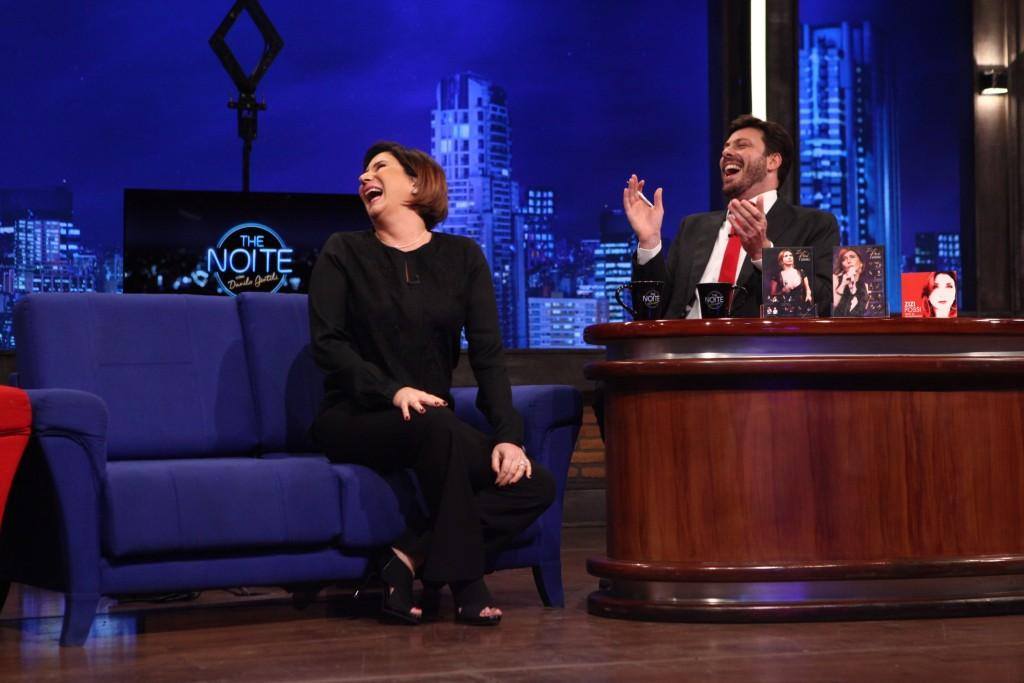
The celebration turned into two DVDs, Cantos & Tales 1 and 2, launched in 2010 by record label Biscoito Fino. And it was also the embryo of Zizi Possi's new show, with a new repertoire and greatest successes of his career.
Zizi participated in the album They Sing Roberto Carlos, recorded live and released on CD and DVD in 2009, in which twenty Brazilian singers pay homage to singer Roberto Carlos' 50-year career.
In 2011 the LGBT Parade Rio de Janeiro had as its theme song one of the hits of his career, The Peace. Zizi Possi's most recent albums are Everything Has Transformed (2014) and The Sea Takes Me (2016).
In 2022, Zizi Possi joined her daughter Luiza Possi for the show The Show, in which mother and daughter sing great hits of their careers.
Personal life
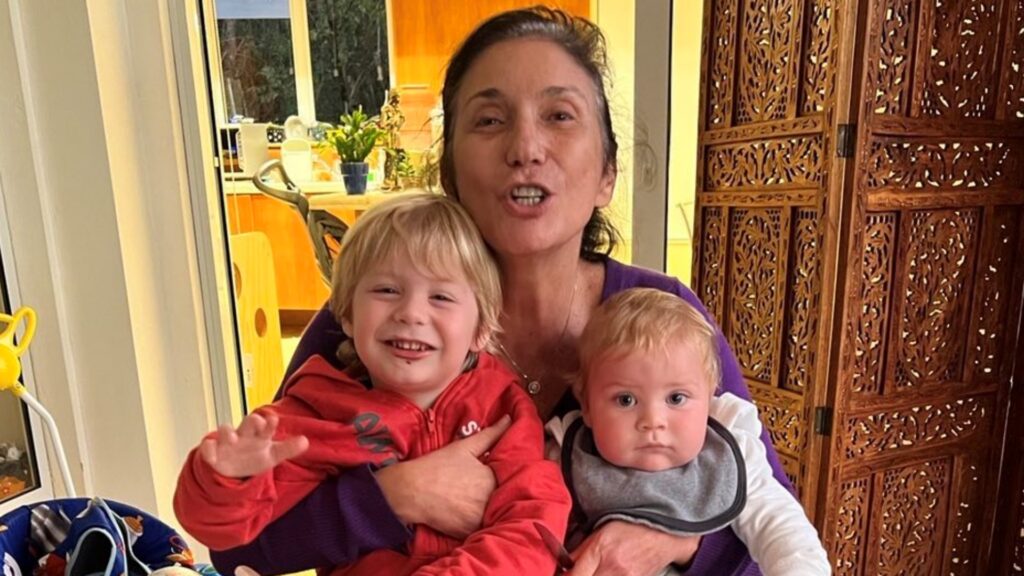
Currently, Zizi Possi has been dedicating himself a lot to role as grandmother to grandchildren Lucca and Matteo, children of Luiza Possi, the daughter who inherited her talent and also became a singer.
Luiza's father is Liber Gadelha, guitarist and music producer to whom Zizi was married and who died in 2021, as a result of Covid-19.
This calmer life contrasts with years of struggle for health, which started with the depression and continued in 2010, when Zizi went through a spine surgery gone wrong and spent six months without setting foot on the ground.
In the following years, she began to live at home morphine base because of severe pain. Finally, in 2020, she underwent another surgery, which returned the mobility she had lost and solved the problem of chronic pain.
Last Name
The surname Possi, which in Italian has the spelling Pocci and was “Brazilianized” derives from dialectal nicknames that were based medieval changes from the Latin term pulex, which means “flea”.
This surname has a Tuscan lineage in the Siena area, a small lineage in the Pistoia and a lineage of Lazio, in the cities of Rome and Velletri.
the variant Poccia is specific to the region between the Latin area and Caserta, Poce has a lineage in Lazio, in the areas of Rome and Frosinone. The variant teapot is from Salento, Brindisi and Lecce.
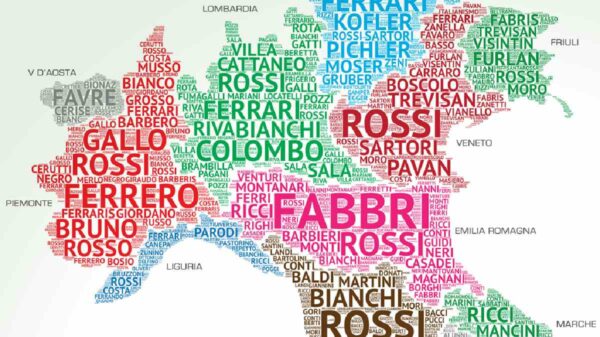
According to the Cognomix website, there are approximately 180 Pocci families in Italy, with the areas with the highest concentration being the following: Tuscany (94), Lazio (66) and campania (9).
The surname Pocci is the 2984th most popular in the region of Toscana, the 892nd in the province of Siena and the 25th in the city of Sovicille, located in the province of Siena, in the Tuscany region.