
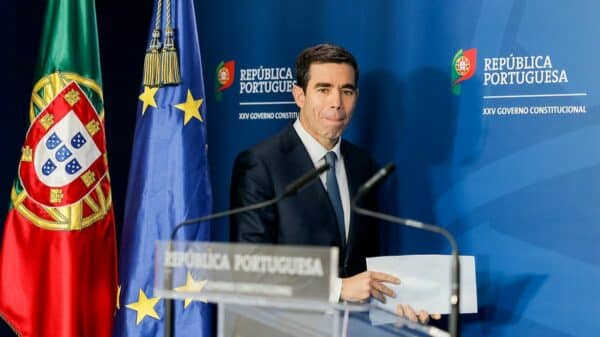




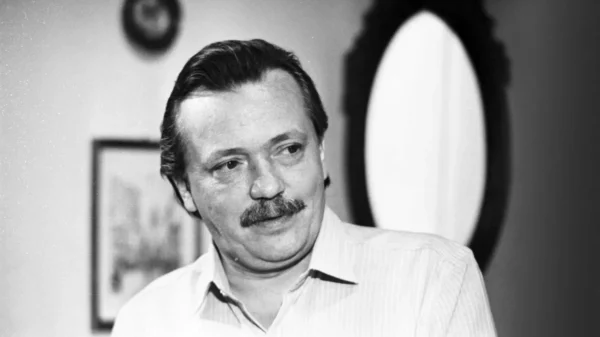












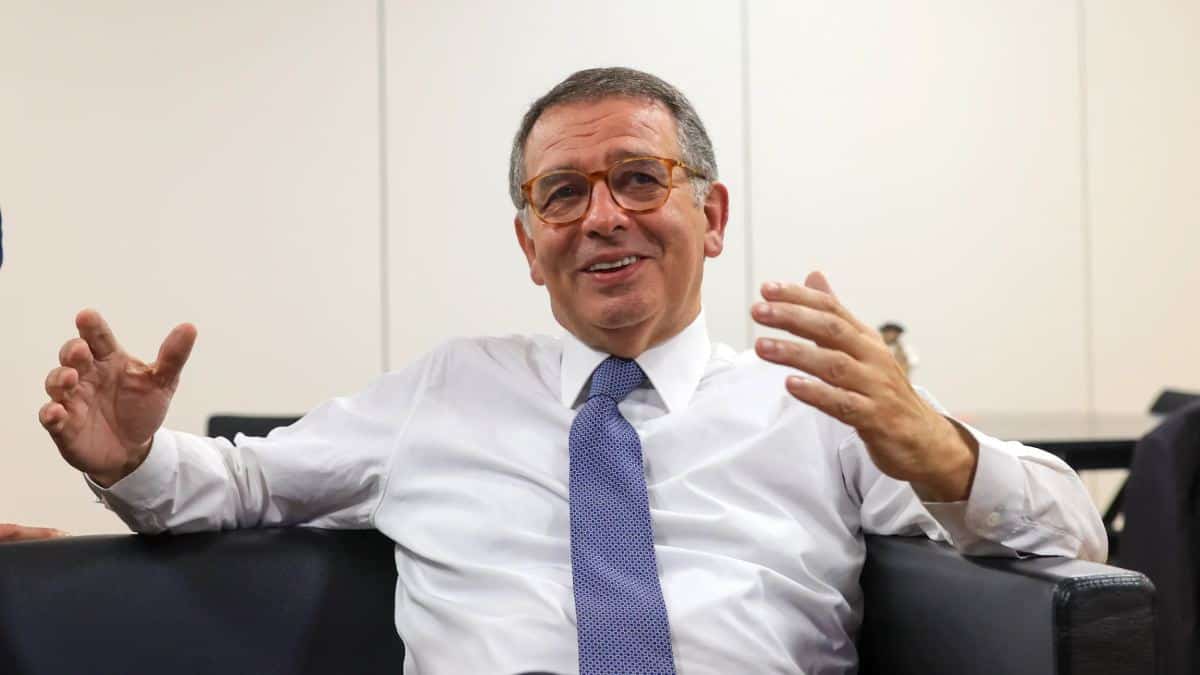
António José Seguro was elected president of Portugal with 66,8% of the vote in the second round. He defeated André Ventura, leader of the far-right Chega party, who obtained 33,2% of the vote. The election took place last Sunday, February 8th.
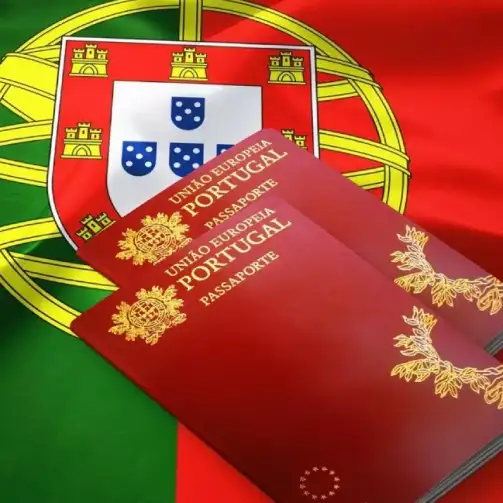
Seguro is the former Secretary-General of the Socialist Party (PS). He will assume the position in March, at a time of political instability and increased social tensions. This scenario mainly affects the immigrant community, especially Brazilians. It is estimated that more than half a million Brazilians currently live in Portugal.
André Ventura's campaign was marked by attacks on minorities and the defense of an anti-immigration policy. He criticized democratic institutions and directed attacks at the Roma community. Despite the defeat, the result consolidated Chega as a relevant force in the Portuguese political landscape. This raises concerns about the future of immigration policies in the country.

António José Seguro is identified as a centrist figure within the left. Formal support from the Socialist Party (PS) for his candidacy only came in the final stretch of the second round. From then on, leaders from the right and center-right also began to support him. This move was an attempt to isolate the advance of the far right and preserve democratic stability.
With this increased support, Seguro nearly doubled his vote in the second round. He received 3,48 million votes, the highest number ever recorded for a president-elect in Portugal. Analysts interpret the result as a sign of voter preference for moderate rhetoric.
The victory brought relief to Brazilians living in Portugal. For Norberto Notari, a journalist and immigrant residing in the country, Seguro's election represents a sign of institutional confidence.
“There is concern among immigrants about remaining in the country and having peace of mind when obtaining all the necessary documentation. The insurance demonstrates a commitment to democracy and would veto any attempt to circumvent what the constitution stipulates. It is a relief for the Brazilian community and for the community of other countries in general.”
Joana Ricarte, a researcher at the University of Coimbra and coordinator of the International Relations course at the Piaget Institute, also sees the result as positive. "For immigrant communities, it's positive news, pointing to the Portuguese preference for moderation and tolerance," she told the BBC.
In the Portuguese semi-presidential system, the president does not govern directly. However, he plays a significant role as a moderator. He can veto laws, appoint the prime minister, and, in serious situations, dissolve Parliament.
Seguro takes office in a system that is more fragmented than it was a decade ago. Back then, the political dispute was concentrated between the PS and PSD parties. Today, there are more parties with significant representation, which makes moderation even more important to ensure stability.
FOLLOW-US