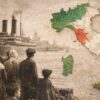
























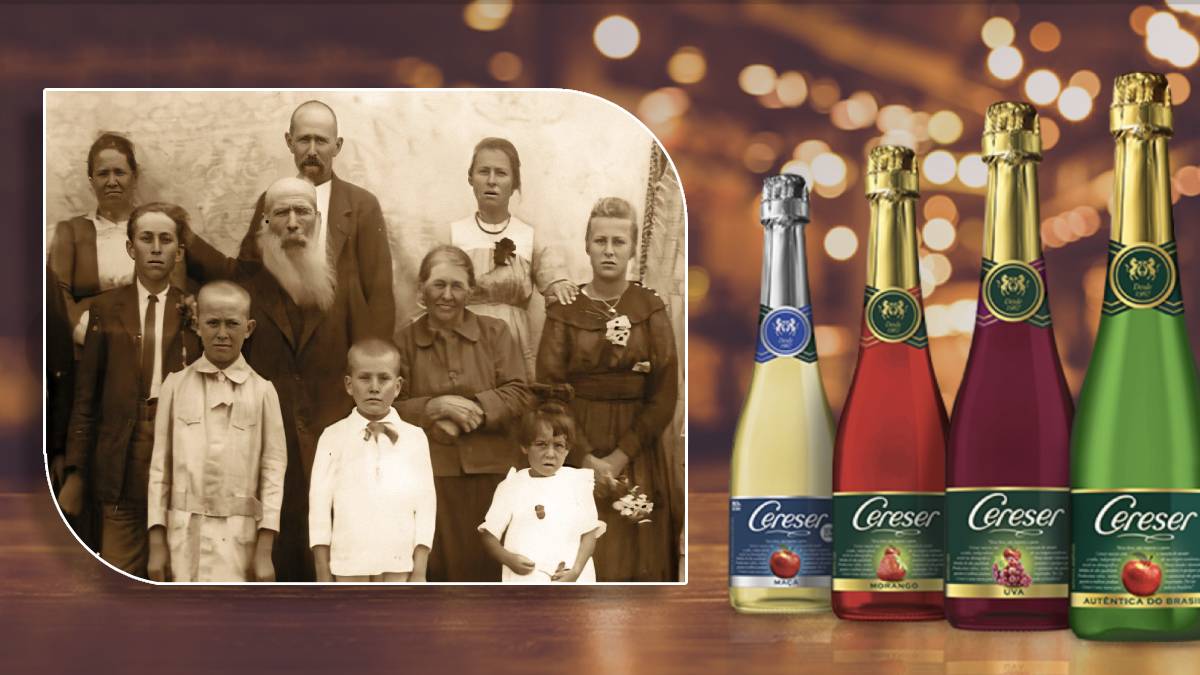
the italian Saint Cereser left the city of Noventa di Piave in 1886, and came to Brazil. In the following years, he immortalized his name in Brazilian industry.
This is the story of another Italian immigrant fearless, who ventured at the end of the 19th century towards a new land, in search for opportunities, and saw his dream come true.

In Noventa di Piave, a city located in the metropolitan region of Veneza, Santo Cereser lived with his wife Maria Piacentini and with his children Carolina, Luzia, Giulia, Humberto Massimiliano, Ema, Antonio and Sofia. He came alone and left his entire family in Italy.
His first job in Brazil was on a farm in the region of Campinas, where he planted 500 grape trees. In 1888, two years after his arrival, when he was already used to the new country and firm in his intention to stay, Santo finally brought your family to Brazil.
The Cereser go to Jundiaí
In this new phase, Santo Cereser and all his family moved to Jundiaí, a city that at the time created a nucleus to welcome the Italian immigrants. With a lot of work, he managed to buy a ten-acre farm in the current neighborhood of Caxambu and there he began his new life with his family.
There, a wine production, first for personal consumption, which was customary for Italians at the time. The strong point of the business was the supply of Niagara grapes for the large wine manufacturers and not the manufacture of final product.
Until one day João, son of Humberto Massimiliano and grandson of Sandro, who was already helping with the work, went to deliver two carts loaded with grapes to a large industry, but the order was canceled as the client was experiencing financial difficulties. So, the grapes returned to the farm in Jundiaí and there was no alternative but to turn everything into wine.
Santa Isabel Wine Factory
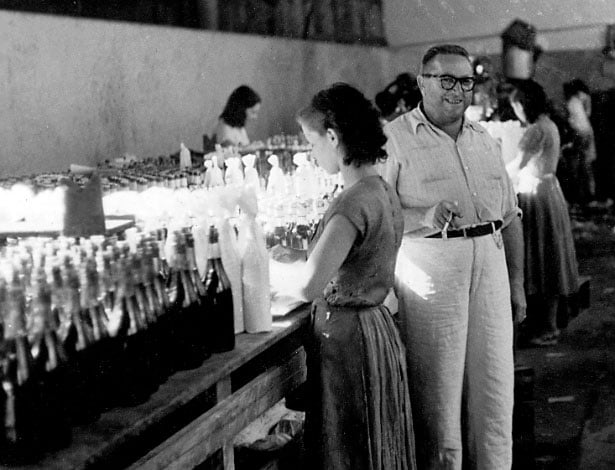
The year was 1926 and thus, somewhat by chance, the Santa Isabel Wine Factory. In the following years, the family improved the way of producing the drink and, in 1936, the company was already supplying good quality wines to customers throughout the state and to some other regions of Brazil.
Over the years, João bought out his brothers and started running the business with his children Pedro, Xisto, Terezinha and Bernadete. There were already the third and fourth generations of Italians managing the company started in 1926, which was renamed Viti-Winery Cereser.
Em 1967, with more products in line, Cereser wines were sold throughout Brazil. It was in that year that the company launched the product that would become its best known, practically the drink that bears the name and would become synonymous with the brand: Cereser cider, sparkling drink made with 100% fermented apple. To give you an idea, the drink holds 40% of the national market of ciders.
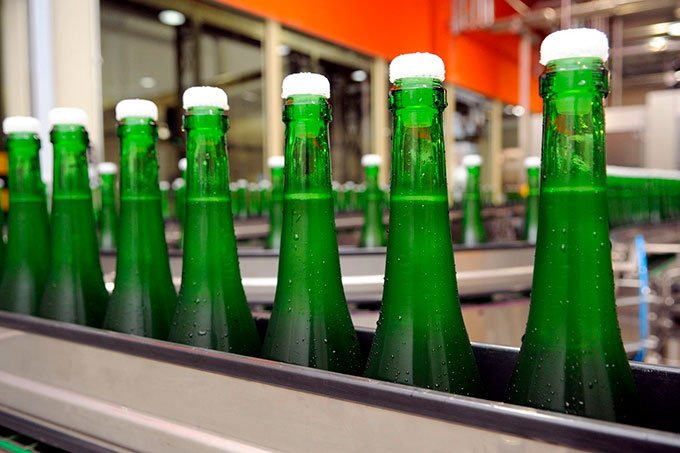
To further increase its competitiveness, Cereser opened in 2009 a largest sparkling wine bottling line in the world, with the capacity to 26 thousand bottles per hour, or 25% more than the largest existing factories of this type.
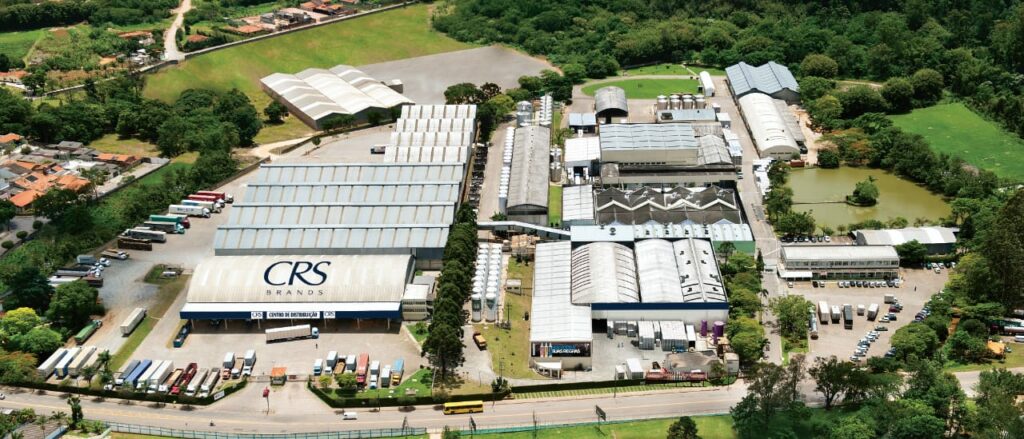
Cereser and its extensive portfolio
In 2014, Cereser was renamed CRS Brands. This change in corporate name occurred as a strategic plan to separate the Cereser brand, a leading product in the Cider category, from the extensive beverage portfolio belonging to the industry. In addition to traditional brands, the company continues to advance in the fine drinks segment with premium quality standards.
In 2017, the year in which the Cereser cider completed 50 years, the company carried out a series of actions to reposition the product, based on consumer research, in partnership with the Namosca agency.
The company launched a high-impact advertising campaign and launched a new bottle layout and a new label for the drink. In addition, the company launched a 50th anniversary commemorative stamp and a manifesto reviving the original idea of the sparkling wine: “serve well, no matter who”. All this published by Ivete Sangalo, hired to be a cider ambassador.

Today the company's products are sold to more than 40 countries da Latin America, Africa, Middle East (non-alcoholic cider line) and Asia.
In addition to maintaining leadership in the cider category, with Cereser line, CRS Brands maintains a broad portfolio, which serves all consumer profiles, including Don Bosco wine and Kadov premium vodka.
Legacy of an immigrant family
A Jundiaí factory has the largest sparkling wine bottling line in the world, with the capacity to produce up to 65 thousand liters per hour. The company also maintains a plant in the municipality of smoothOn Pernambuco. The two units have the capacity to store up to 20 million liters of drink.
The group also maintains in Jundiaí, on Av. Humberto Cereser, in Caxambu, Casa Cereser, a CRS Brands Factory Store, a modern and air-conditioned space, where all the brand's products can be found. The location also offers products from Castelo Alimentos, another company in the group.
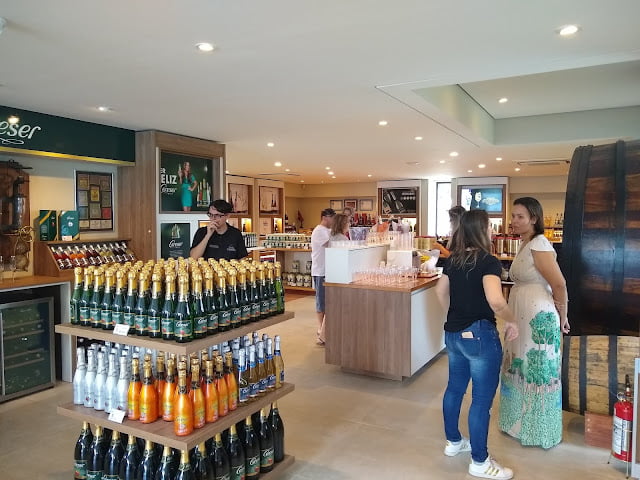
The space also has a mini-museum dedicated to the history of the company's founding family, with photos, records of the factory's early years, barrels of wine and spirits, machines, utensils and several medals received by the family.
This entire gigantic legacy comes from the initiative of an Italian who left his small town in Europe and, based on family work on a farm acquired with a lot of sweat, founded one of the largest beverage manufacturers in Latin America and immortalized his name in the Brazilian industry.
By Roberto Schiavon/Italianism
FOLLOW ITALIANISM