





























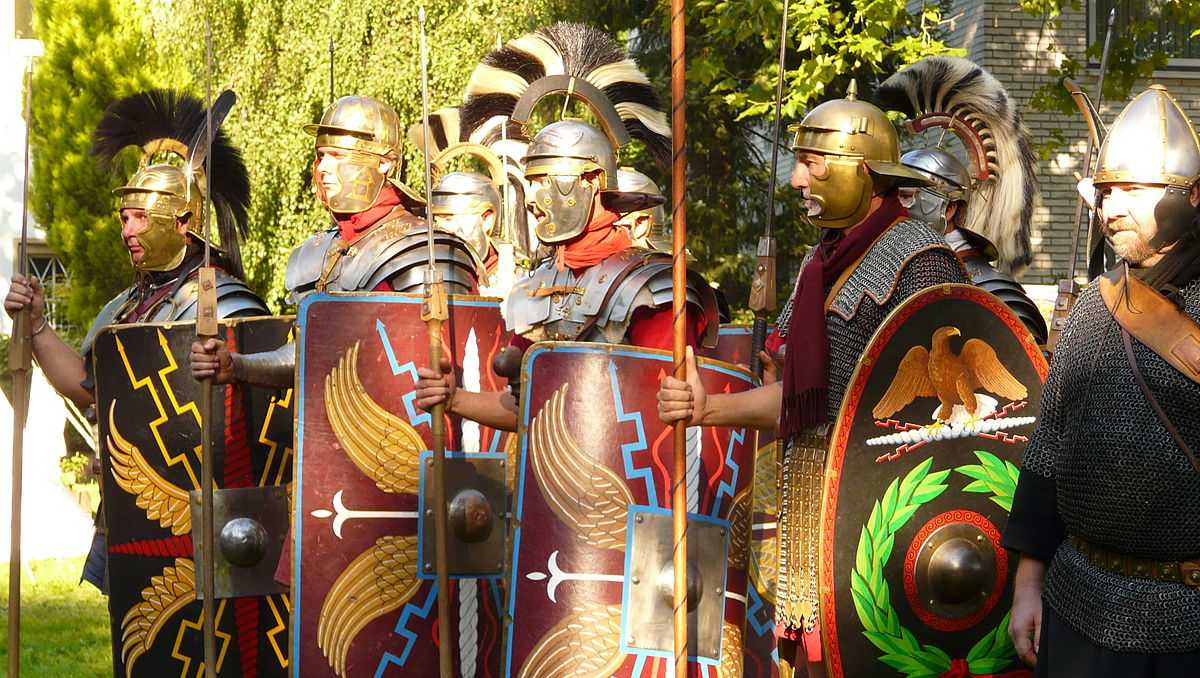
Gigantic and with exorbitant costs: the army of the last years of the Roman Empire
Initially composed of a few volunteers who enlisted to defend the kingdom's borders for free, in the last years of the Empire, the Roman army was gigantic and had exorbitant costs.
Impressive, multicultural and very expensive. This became the roman army in the last years of the empire. Nothing to do with the first army, founded by RômuloAccording to legend, he was the first king of Rome, recruiting volunteers from the three tribes that formed the basis of the kingdom.
Since the years of the monarchy, the basic unit of the army was the legion: the first was made up of 3 infantry and 300 knights, chosen from the Roman population aged between 17 and 46. The soldiers were not paid and still had to pay for their own weapons: the poorest were the infantry and the richest were the knights.
The first “salaries” for soldiers appeared around the 5th century BC, but were initially quite meager. Soldiers often enriched themselves from the “spoils of war” and “gifts” that generals occasionally offered to troops.

The Supreme Court reaffirmed: citizenship is born with the person.
- New legal front opened
- Processes can still be filed.
- Individual assessment before any decision.
IN THE TIME OF HANNIBAL
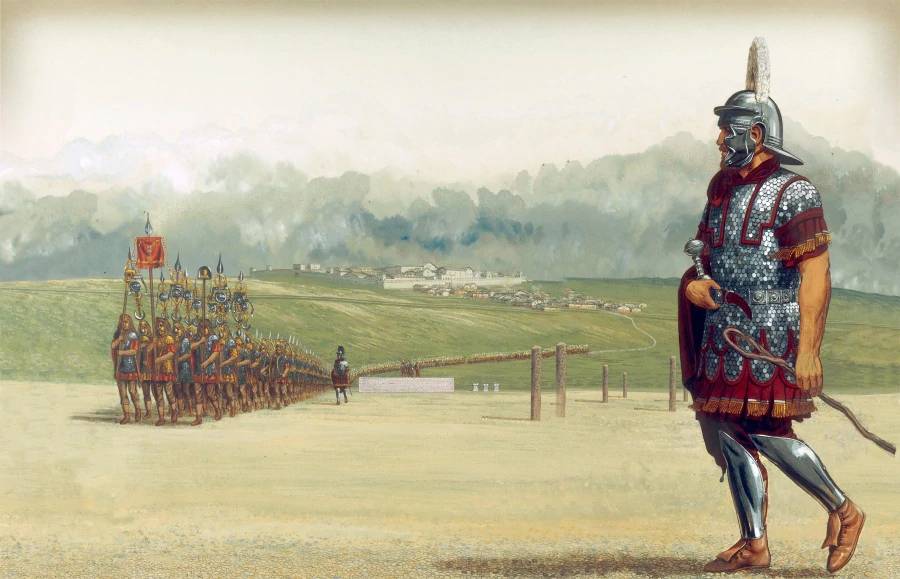
With the birth of the Republic, the army was divided into two legions, each commanded by a consul and made up of a maximum of 10 legionnaires and around 600 knights.
When Hannibal crossed the Alps (218 BC) to march down towards Rome, the Roman army had already grown and numbered 23 legions garrisoning Italy, Illyria (the Balkan Peninsula), Sardinia, Sicilia and Cisalpine Gaul.
THE EMPIRE
More than 150 later, when Caesar was killed (44 BC), the legions of 23 became 37 and after the civil war between Caesar and Octavian it increased even more.
Some of them were established in Macedonia, in the East, and others in Africa. However, his management was not without problems. Also for this reason Augusto attempted to reform them, creating a professional army made up of 28 legions (later reduced to 25), made up of a total of 145 thousand men who remained in service for no less than 16 years.
The “professionals” were joined by simple legionaries: overall the imperial army in the years of Augustus ended up including around 250 thousand soldiers who controlled an immense territory, stretching from the Atlantic to the Euphrates and from Holland to Egypt.
BIG NUMBERS
When we talk about the army, we are not just referring to the legionnaires. They were joined by auxiliary troops (or support troops, recruited in the occupied territories), praetorian troops (to guard the emperor and influential figures) and the military fleet.
Over time, the growth of the armed forces did not stop: with Septimius Severus (145-211) the army totaled 442 thousand units, while in the XNUMXrd century the war machine reached around 500 thousand soldiers, of which 200 thousand legionnaires.
In those years, military spending absorbed around 75% of the state budget (“social” spending was almost non-existent, the rest was spent on construction in Rome and the provinces).
The peak of the army was reached during the reign of Constantine (272-337), when soldiers numbered around 645 thousand. (Focus)
READ TOO
The road layout of the Roman Empire transformed into metro lines