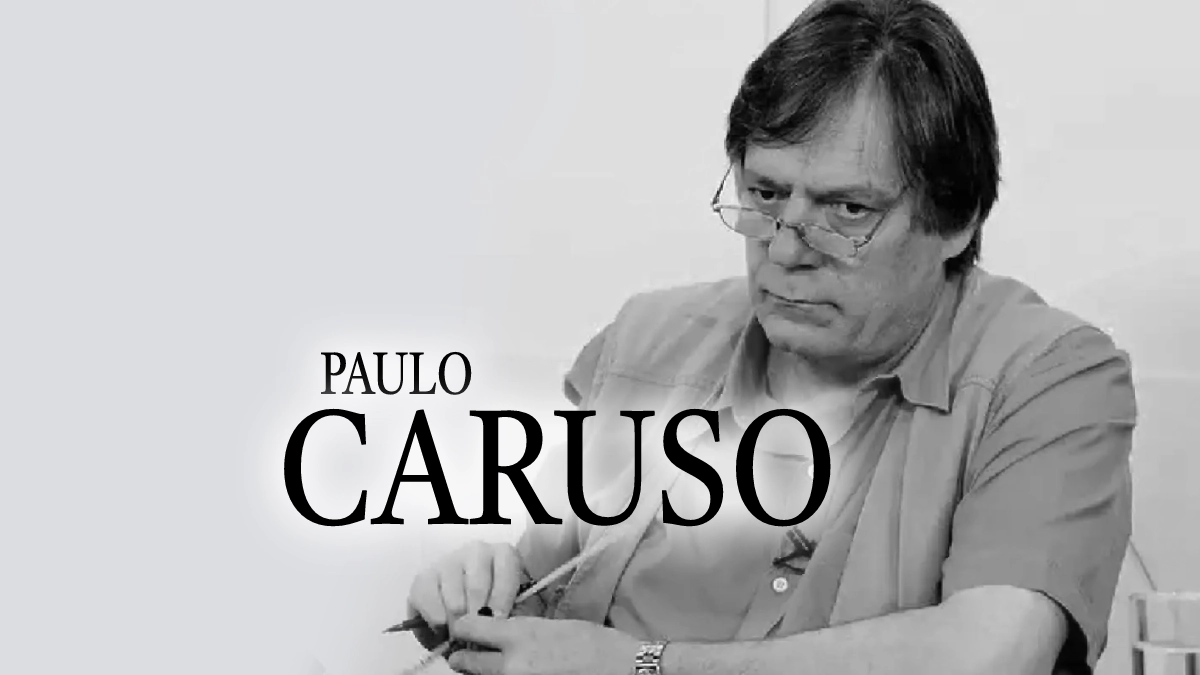
O Brasil perdeu no dia 4 de março o cartunista e chargista Paulo Caruso, um dos nomes mais importantes de sua área na história do país. O ítalo-brasileiro Caruso, que era descendente de sicilianos por parte de pai, morreu aos 73 anos por complicações decorrentes de um câncer de cólon.
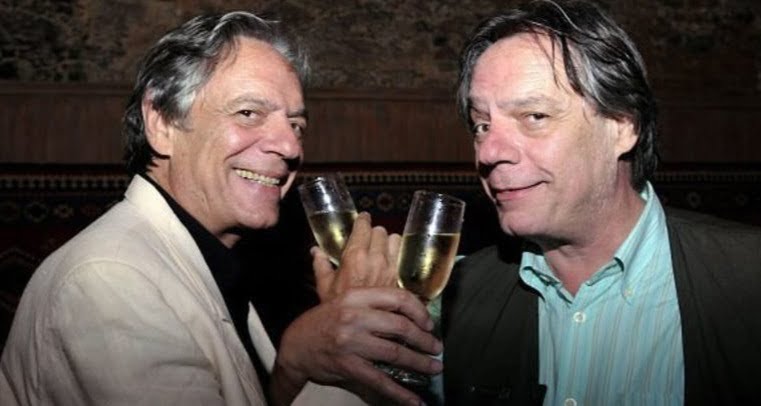
Paulo José Hespanha Caruso nasceu em São Paulo no dia 6 de dezembro de 1949 e era irmão gêmeo de Chico Caruso, também cartunista, pai do cineasta Paulinho Caruso e tio do humorista Fernando Caruso. Por parte de mãe, Caruso tinha também ascendência portuguesa e espanhola.
Os irmãos Paulo e Chico Caruso, gêmeos univitelinos, nasceram com um intervalo de cinco minutos. Ambos tiveram grande destaque em sua obra pela sua virtuosidade na caricatura pessoal.
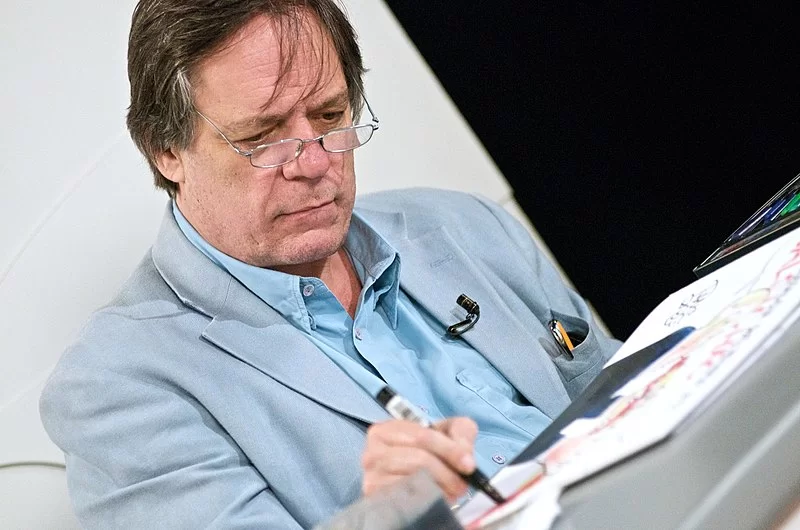
Paulo Caruso e a Ditadura
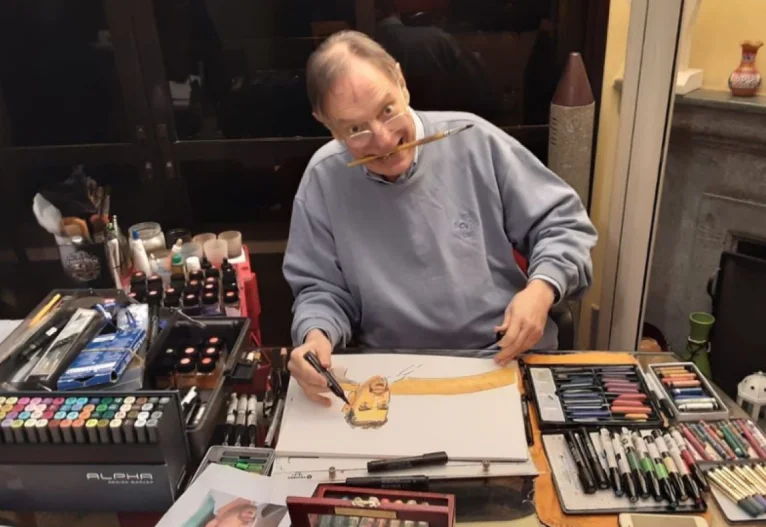
Paulo Caruso iniciou sua trajetória profissional no Diário Popular, no final da década de 1960, e colaborou também nos jornais Folha de São Paulo e Movimento. Nessa época, já se destacava na arte da caricatura pessoal.
Até a chegada do AI-5, em dezembro de 1968, fazia charges e ilustrações. A partir do ato institucional opressor da Ditadura Militar, e durante sua vigência, só fez ilustrações. Na época, garantiu seu espaço de expressão com a tira Pô, publicada no jornal Folha da Tarde.
Entre 1969 e 1976, cursou arquitetura na Universidade de São Paulo (USP). Foi um hippie e chegou a morar com outras 24 pessoas em uma comunidade. “Era uma favela de luxo”, descreveu em uma de suas entrevistas.
A vida de arquiteto não o atraiu e Paulo Caruso passou a se dedicar exclusivamente aos cartuns e à caricatura.
Carreira na imprensa
Na década de 1970, foi trabalhar no jornal O Pasquim, ao lado de nomes como Jaguar e Ivan Lessa. Nos anos 1980, voltou à grande imprensa e trabalhou em veículos como Veja, Isto É, Careta e Senhor.
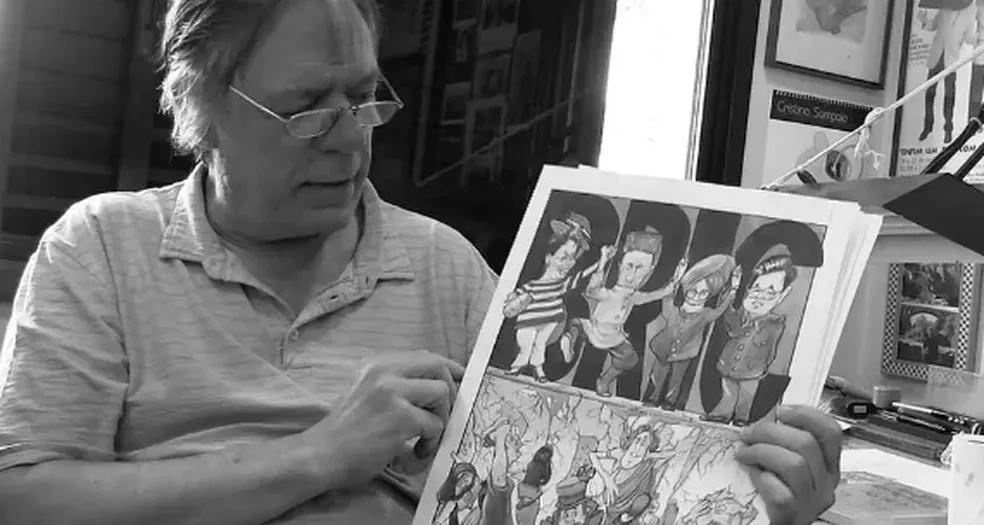
Na revista Isto É, ele assinava a charge da semana com o título Avenida Brasil, sempre publicada na última página. As charges tratavam principalmente de aspectos da política brasileira. Seus trabalhos também aparecem em publicações especializadas como Circo, Chiclete com Banana e Geraldão.
Paulo Caruso tamabém publicou suas charges na revista Época e fazia ilustrações ao vivo dos entrevistados no programa Roda Viva, na TV Cultura.
Música e teatro
Ele se dedicou por muitos anos à composição musical e à produção de espetáculos de música e teatro. Em 1985, durante o Salão Internacional de Humor de Piracicaba, Paulo formou com Chico e outros cartunistas a “Muda Brasil Tancredo Jazz Band”. Luis Fernando Veríssimo, Cláudio Paiva e Mariano juntaram-se mais tarde ao conjunto.
Em 1998, lançou o CD “Pra Seu Governo”, uma seleção musical de suas composições, interpretadas pelo “Conjunto Nacional”, sua nova banda, onde tocava piano ao lado de Aroeira e Luis Fernando Veríssimo nos saxofones e Chico Caruso no vocal.
A morte de Paulo Caruso
Paulo Caruso morreu no dia 4 de março de 2023, aos 73 anos. Ele estava internado no Hospital Nove de Julho, na capital paulista, havia cerca de um mês, para tratar de complicações decorrentes de um câncer no intestino.
A família pediu que o cartunista fosse desentubado para receber os amigos na manhã de sábado, mas ele não resistiu.
O sobrenome Caruso
O nome de família do cartunista deriva do termo Caruso, do dialeto siciliano, que significa “menino” ou “garoto”.
Na Sicília, os “carusi” eram os jovens trabalhadores da terra ou das minas de enxofre.
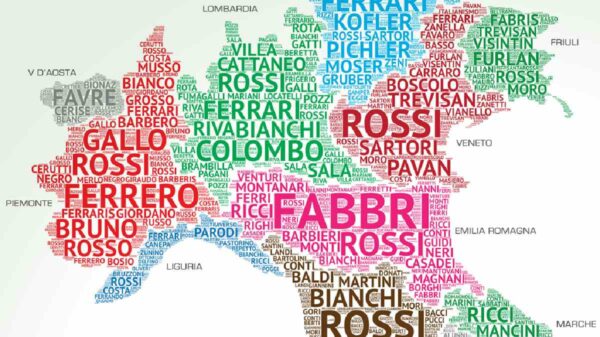
Caruso é um sobrenome muito comum em toda a Itália, mas com grande concentração nas regiões da Calábria e Campânia.
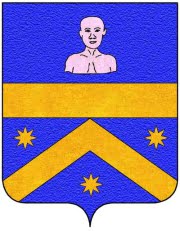
Variantes
A variante Carusi tem linhagens entre Pisa, Florença e Arezzo, mas o núcleo principal está no Abruzzo e na área romana próxima. Já o sobrenome Carusillo é específico da área de Foggia e Carusotto é típico da província de Agrigento.
Existem aproximadamente 15.283 famílias Caruso na Itália, com maior concentração na Sicília (5.972), na Campânia (1924) e na Calábria (1.723).
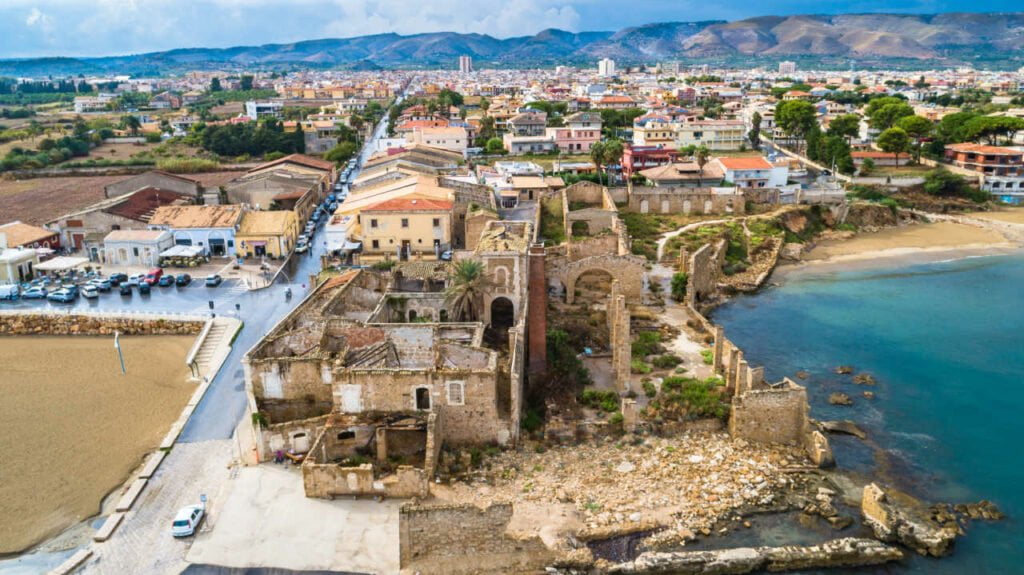
O nome Caruso é o 3º mais popular na região da Sicília e o mais popular na província de Siracusa e também na cidade de Avola, localizada em Siracusa.
Newsletter
Últimas do Italianismo
Todo dia, às 18h, um resumo do que aconteceu na Itália direto no seu e-mail.
É gratuito e você cancela quando quiser.