
































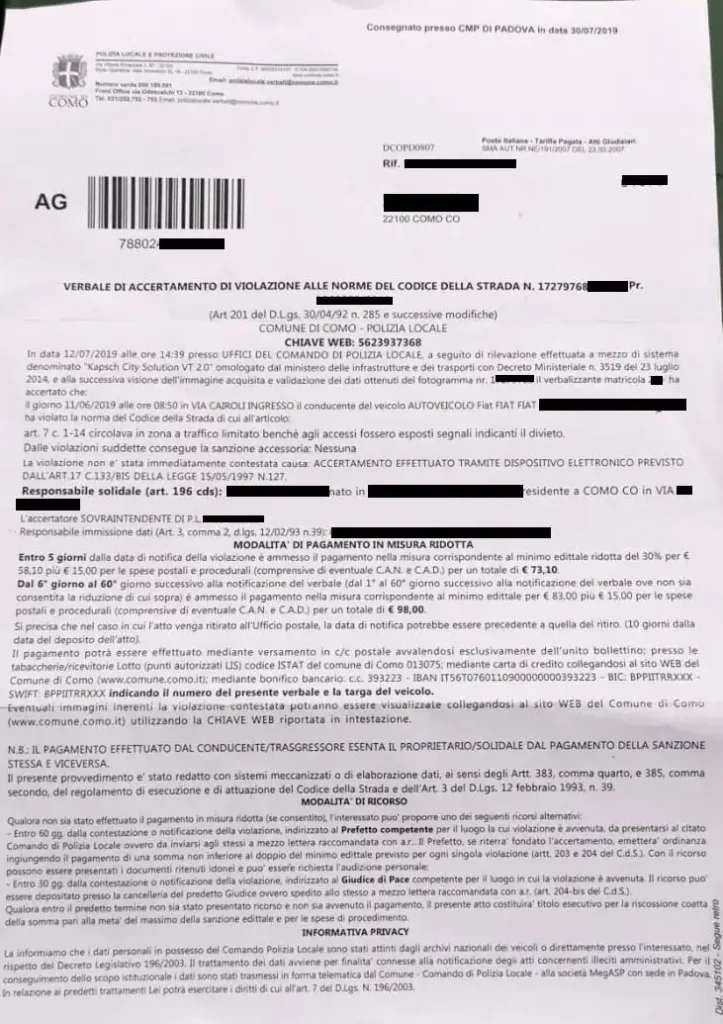
Many foreigners find out the hard way: an official notification in the mail, weeks after their trip, with an unexpected fine. This is not a scam or persecution. It's a legal penalty for a basic, but frequent, mistake.
In Italy, ignorance of the rule does not exempt anyone from penalty. And there is a specific behavior that catches many off guard: walking into areas with restricted access.
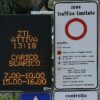
ZTL: Restricted zone with automatic surveillance
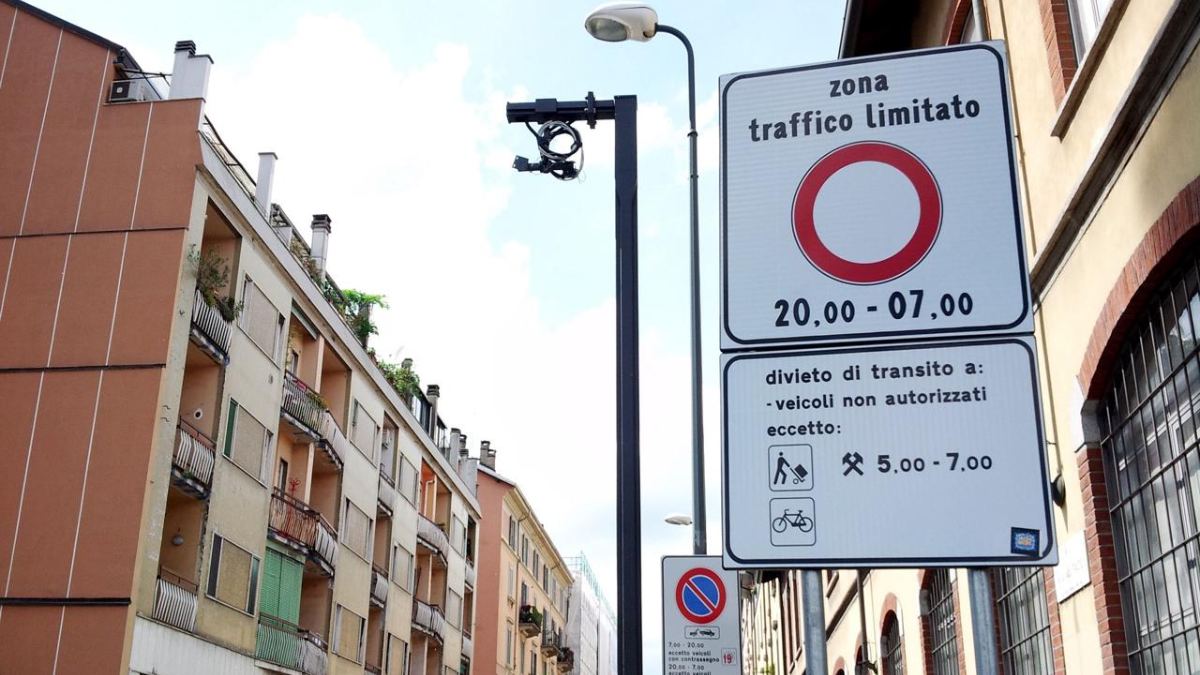
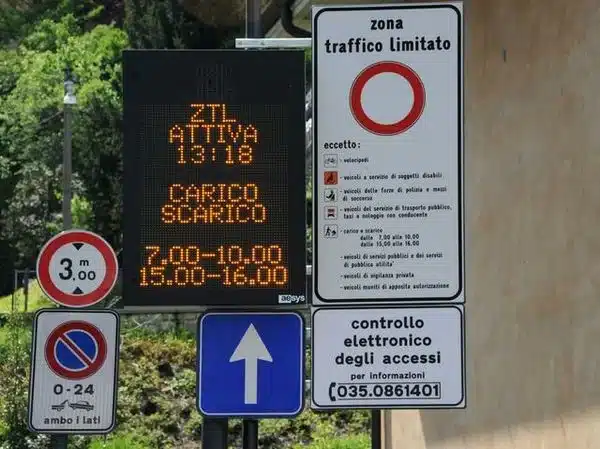
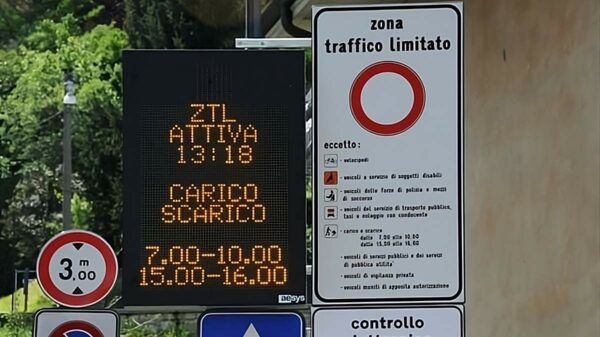
The most common mistake foreigners make is entering restricted access areas, believing it's a mild restriction or exclusive to historical centers. But these are called ZTLs (Limited Traffic Zones). (Limited Traffic Zone) They exist in virtually every Italian city, large or small.
ZTLs are not suggestions. They are zones monitored by cameras and with automatic fines issued.
Why do foreigners make this mistake?
Several factors contribute to this misconception:
- The signage is not always clear for those who don't understand Italian.
- GPS often suggests routes that pass through ZTL (Zone of Limitless Traffic).
- There are no gates, guards, or audible warnings.
- The fine isn't immediate. It arrives weeks later.
That's why many people think they got away with it without a problem. But they didn't. The system records, processes, and fines them.
How it works in practice
Entering a ZTL without permission:
- Cameras record the license plate.
- The system cross-references the data.
- The fine is generated automatically.
If the vehicle is rented, the situation becomes more complicated. The rental company identifies the driver and charges an administrative fee even before the driver receives the official fine.
Common values:
- Fine: between 80 and 300 euros
- Rental company fee: between 30 and 60 euros
- Late payment interest: progressive
The entire process is legal, automated, and documented.
Places where this happens most frequently
- Historical centers
- Tourist areas
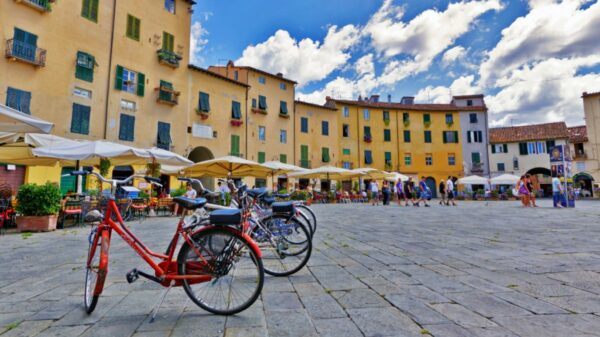
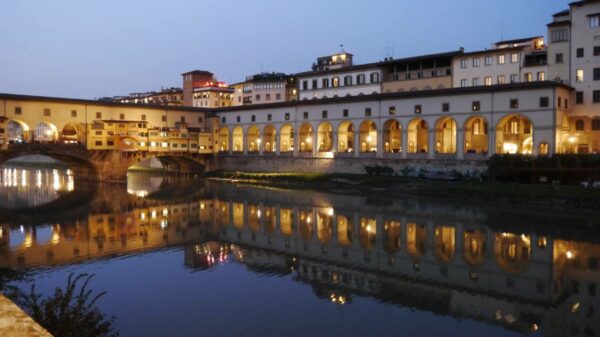
- Cities such as Rome, Florence, Milan, Bologna and Pisa
- Small municipalities with their own rules.
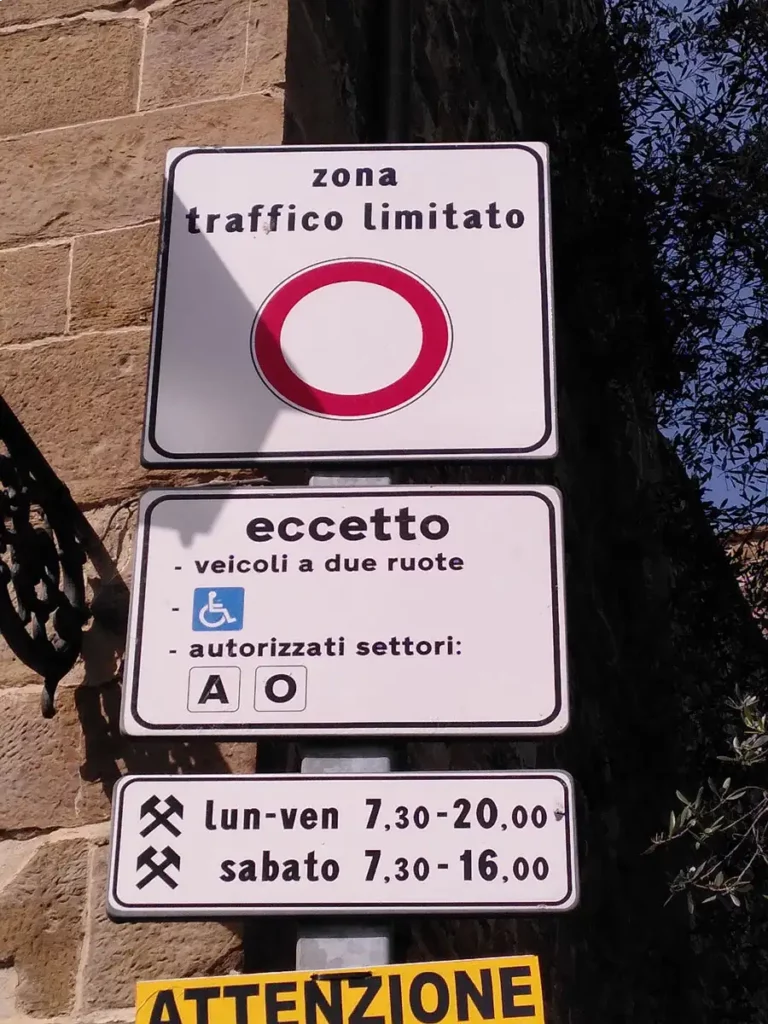
It's not a peculiarity of large cities. It's a national urban policy.
The most common psychological error
Many foreigners act based on three premises:
- If no one has stopped you, you're free to go.
- If the GPS tells you to, you can enter.
- If no one warned you, the rule doesn't apply.
This logic might work in other countries. Not in Italy.
In Italy, the rule comes before the explanation. And the system expects you to know it.
How to avoid fines without complications.
Some simple actions can prevent losses:
- Don't rely solely on GPS, especially in historical centers.
- Look for ZTL signs, even if they seem confusing.
- Ask your accommodation if there are any restrictions in the area.
- Park outside the restricted area and walk.
- When renting a car, ask about ZTL (Limited Traffic Zone) and permitted routes.
Five minutes of attention can prevent months of trouble.
And who lives in Italy?
The rule applies even further. Foreign residents are also fined. Nationality does not interfere with the process. The system is automatic and impartial.
In Italy, fines are not imposed for gross negligence, but for inattention to a detail. And, in many cases, that detail is costly.
Understanding how ZTLs work avoids wasting time, money, and patience. Treating rules as mere suggestions is the most common mistake.


















Marcelo
January 6, 2026 at 13:48 am
How is it treated for someone who lives in a ZTL (Limited Traffic Zone) and is disabled and needs a car to get around?
Thank you.
Redaction
January 6, 2026 at 13:54 am
In this case, the resident has a special permit and can move around freely.