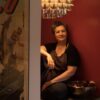











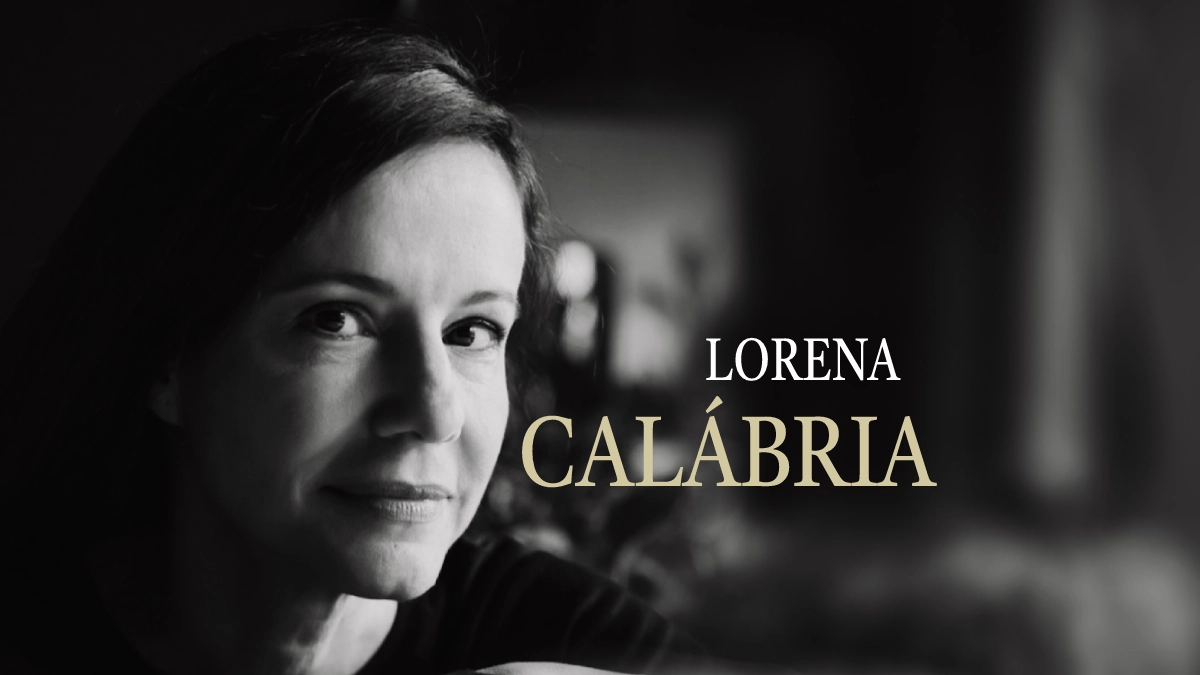
Lorena Calabria is a Italian-Brazilian journalist which bears the name of a region of Italy in its name. One of the best-known faces on Brazilian television, he has worked for several channels, such as Rede Globo, SBT, Record and MTV Brazil.
Born on June 21, 1964 in Rio de Janeiro, Lorena inherited her surname from her father, Davide, an Italian born in the Italian region of Calabria.
She graduated in journalism from State University of Rio de Janeiro in 1985 and began his career in the same year, as a scriptwriter and reporter for the program Bigger Sound, on Rede Manchete.
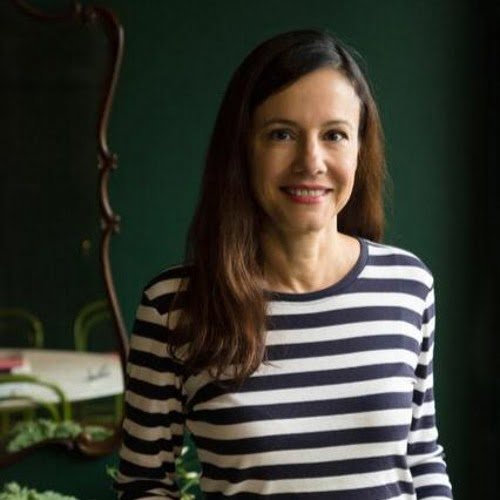
Lorena Calabria on television
Between 1986 and 1987, he worked as a reporter for Clip Clip program, from Rede Globo. In 1987, she was hired by TV Corcovado, to present the culture and cinema program Vibration.
The following year, he had a brief stint at Rede Manchete as a reporter for Shock, at the time presented by Carolina Ferraz.
Between 1988 and 1989, he worked at TV Rio, running the cinematographic debate program The Cry of the Independents and the talk show Rio Show. Always working in the cultural area, during the 1980s, he was also a journalist for Bizz magazine.
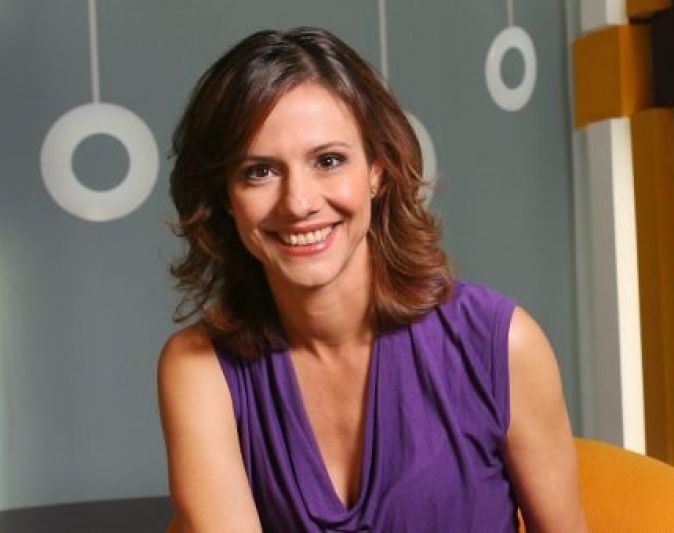
MTV Brasil and Metropolis
In 1990, Lorena Calabria was one of the first presenters on MTV Brasil, commanding the Cine MTV program. In the same decade, he began writing film criticism at Folha Magazine.
In 1992, he worked for a few months as a reporter for Free Program, on SBT. Between 1993 and 2000 she presented the Metropolis program, from TV Cultura. In the same period, he narrated the documentary series Living Eye, acquired by the BBC broadcaster.
At Metrópolis, Lorena was a presentation partner for Cadão Volpato, journalist and singer from Fellini band, who she was dating at the time.
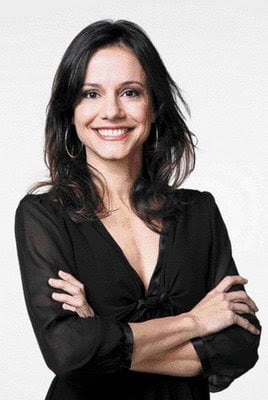
Always cultural journalism
Between 1998 and 2000, Lorena Calábria also presented the CinemaMotion on the USA Network cable channel. After that, from 2000 onwards, the journalist went to Multishow Channel, where he presented the programs Digital Chat e General Rehearsal.
In 2004, Lorena Calábria was hired by Rede Record to present the electronic magazine Spectacular Sunday. In 2007, he also presented the Record Interview, the record news.
In 2008, the journalist went to GNT cable channel, where he started to present the Happy Hour program, after the departure of Astrid Fontenelle. At Band, Lorena was the anchor of the broadcast of Latin Grammy in November of the same year.
Lorena Calabria on the radio
In 2009, he presented the program Dia Dia, alongside Patricia Maldonado and Daniel Bork and, between 2009 and 2010, presented the programs Johnnie Walker with Giants e MitCultura na Mitsubishi FM radio.
In 2011, Lorena Calábria joined the team of presenters at Hi FM. Between 2012 and 2015, the journalist presented institutional videos Here is Nature, from the cosmetics company Natura.
Since 2012 he has presented the program Cinema Knowledge, on Canal Futura. In January 2023, it became part of the Radar program, from radio station Novabrasil FM, beside Roberta Tiepo. The program can also be seen with images on the Novabrasil YouTube channel.
Musical literature and family
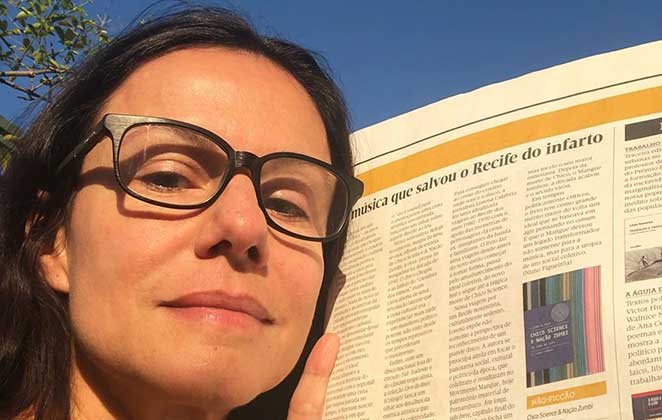
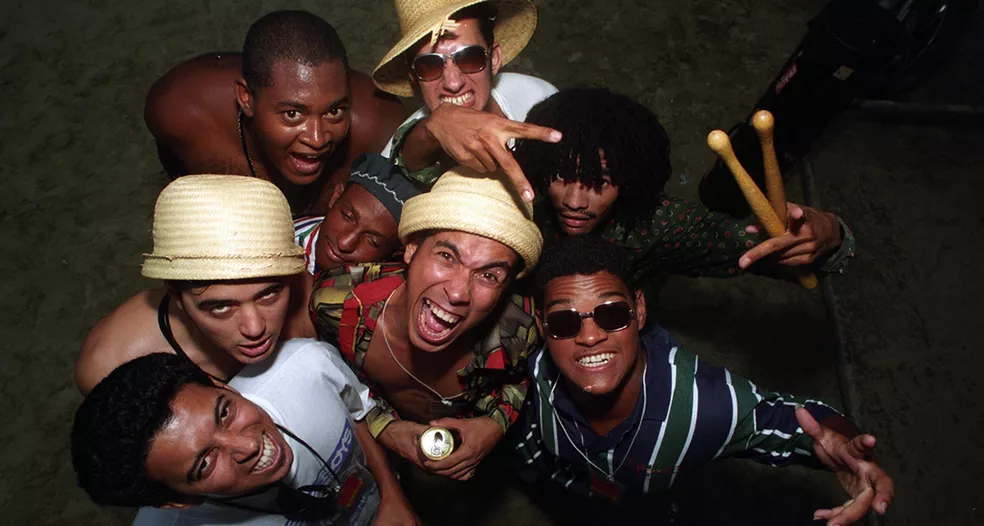
It is worth remembering that, in 2019, Lorena Calábria launched the book “Chico Science & Nação Zumbi – From Mud to Chaos”, which tells the story of the band from Pernambuco, which was the biggest highlight of the call Recife Mangrove Scene, in the early 1990s.
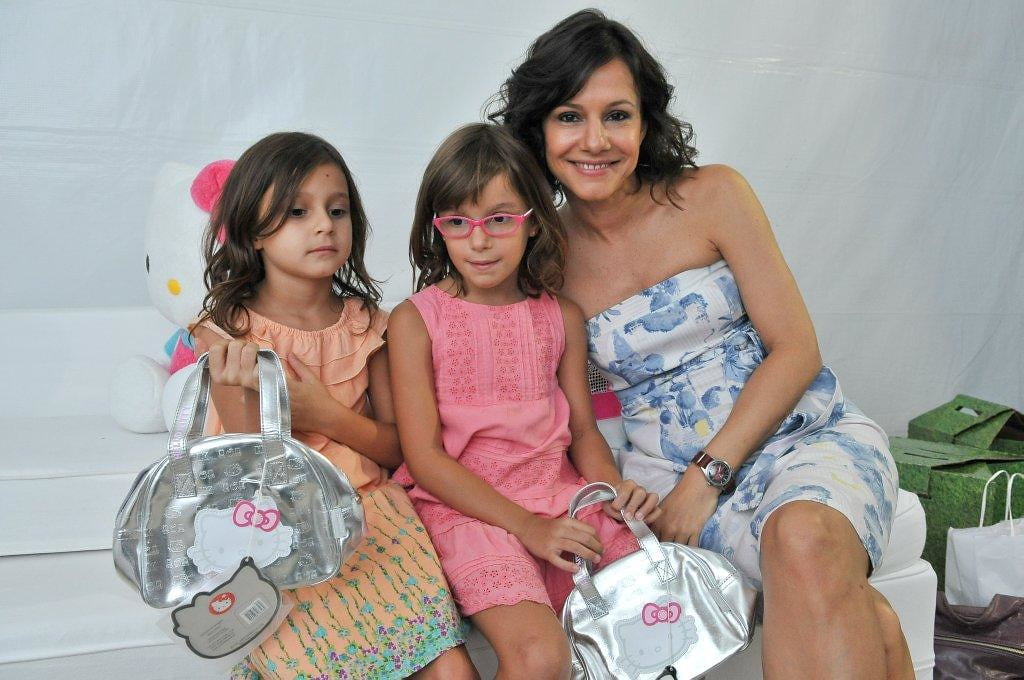
Lorena is married to film screenwriter and television Mauricio Arruda. They are parents of twins Dora and Catarina.
Last Name
The Italian surname Calabria indicates the origin of the person and simply means “inhabitant or native of Calabria”, a region located in extreme south of Italy.
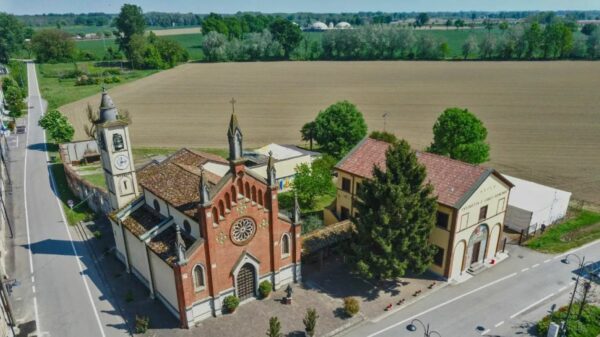
The name has a significant presence in Lombardy, mainly in the area of Brescia.
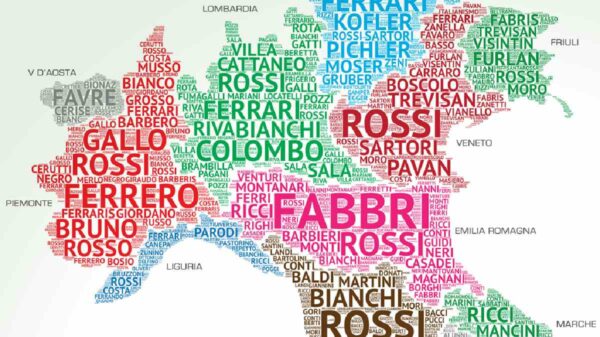
According to the Cognomix website, there are approximately 2710 families Calabria in Italy, with a strong presence in the following regions: Calabria (1576), Lombardia (299) and Campania (173).
The surname Calabria is 11th in popularity in the Calabria region, 14th in the province of Reggio Di Calabria and the most popular in the city of Casalbuono, located in the province of Salerno (Campania).
FOLLOW-US