




























Exactly 100 years ago: Italy stopped to say goodbye to Enrico Caruso.
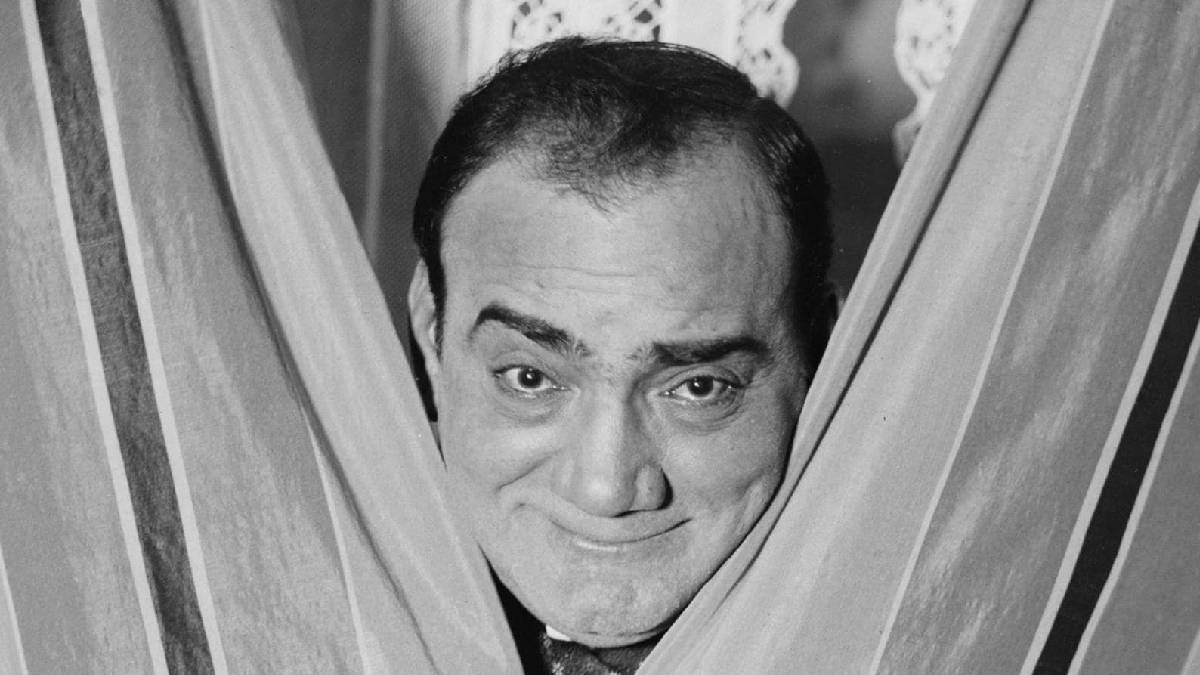
Born in Naples on February 25, 1873, Caruso is considered the most complete tenor of the 20th century. His career was a succession of successes all over the world.

He died at age 48, on August 02, 1921, suffering from complications resulting from a lung infection. The great tenor smoked two packs of cigarettes a day.
His recordings still have artistic and technical prestige today, as they perpetuated the gramophone and record industry and consecrated the art of Italian singing.
Enrico Caruso's striking voice had already attracted attention from an early age. As a child, he helped support his family through performances with the church choir, in cafes and on the streets. His debut in his hometown took place when he was 22 years old, at the Teatro Novo.
Fascinated by the music Africanella, popular at the time, and inspired by nationalist feelings, composer Morelli financed “L'amico francesco” out of his own pocket. Due to the lack of public interest, two of the four scheduled shows had to be cancelled.
A few months earlier, his auditions to participate in the opera Mignon had also ended in fiasco. In the decisive test, she messed up with notes and texts, provoking the wrath of the organizers. Luckily for him, however, an agent took his name and asked him to participate in the work with Morelli.
20th century megastar
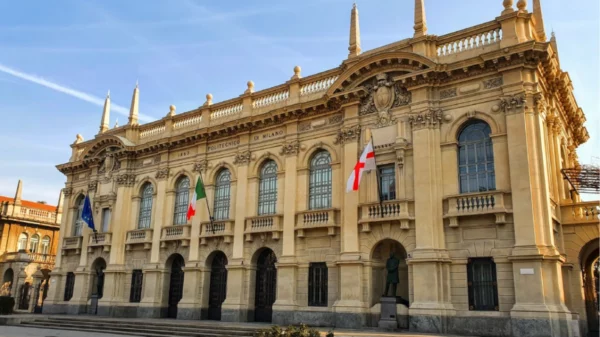
In 1900, he debuted at the sacred temple of singing, the Scala in Milan. Three years later, he was welcomed with open arms at the Metropolitan Opera House in New York to play the main role in the opera Rigoletto, by Giuseppe Verdi. Caruso, the megastar of the 20th century, opened every subsequent season of the New York Metropolitan. His last performance was right there, at La Juive, in Halevy, on December 24, 1920.
Consecrated by the public and possessing a spectacular voice for the phonography era, he was hired by the English Gramophone Company to record songs. Until his death, in Naples, on August 2, 1921, he recorded 266 albums.
Caruso conquered eternity more through his interpretive style than through his technique. At the beginning of his career, he couldn't reach the high notes. Furthermore, throat problems prevented him from maintaining his voice crystal. He personified a new type of timbre and singer, ideal for his time.
Combining the traditional art of belcanto with expressionism, he became the greatest interpreter of Verismo, the naturalistic literary movement that emerged in Italy at the end of the 19th century, in opposition to romanticism. The best-known works of this movement are Cavaleria Rusticana (Pietro Mascagni) and I Pagliatti (Leoncavallo Ruggiero).
Read also
FOLLOW ITALIANISM