






























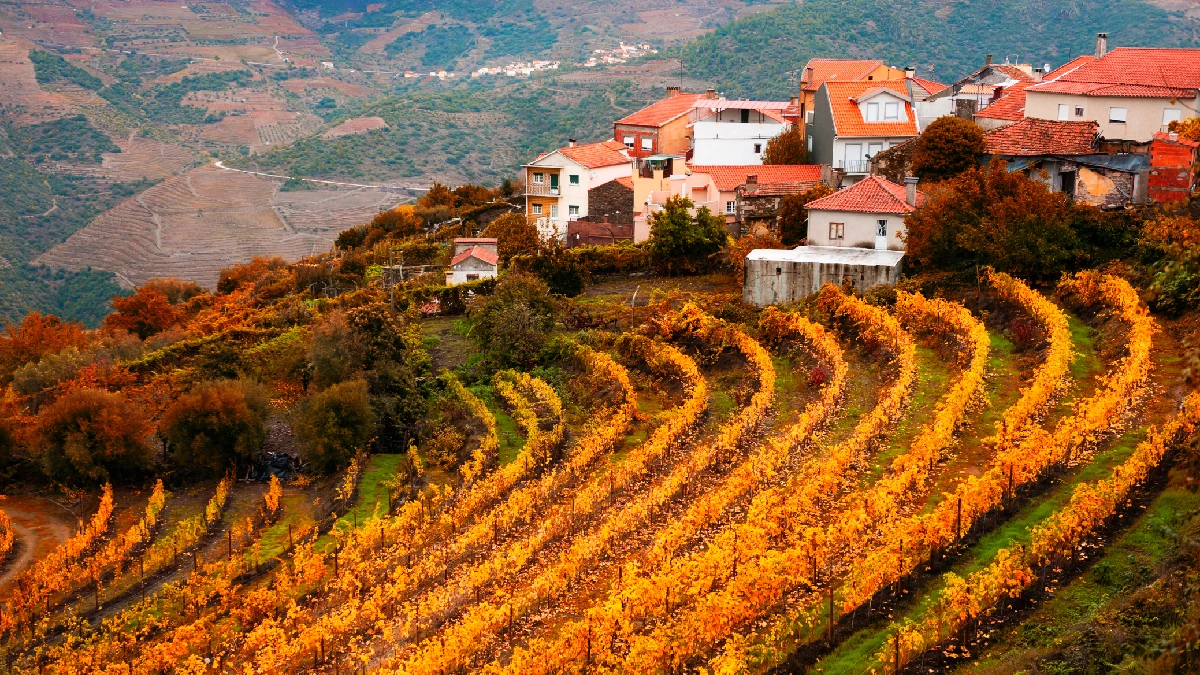
A new extensive study into the origin of human-cultivated grapes and wine indicates that both events occurred almost simultaneously 11 years ago. The cultivation and production of the drink emerged in two geographically distant regions of around a thousand kilometers: in the Caucasus area and in the Middle East.
The research made the unprecedented use of genetic analysis of more than three thousand different types of grapes from private collections and never documented specimens, such as subtypes of vines from Armenia. The finding is that the grapes currently considered “table” are varieties from the Middle East, while those used for wines are from Georgia and surrounding areas.

The study, which was published in the journal “Science”, was led by Chinese researchers from Yunnan Agrarian University, the State Laboratory of Agricultural Genomics in Shenzen and the Chinese Academy of Sciences in Beijing, and counted on the collaboration of the Italians from the universities of Milan, Milan-Bicocca and Mediterranean Reggio Calabria, the National Center for Biodiversity (NBFC) in Palermo and the National Research Council (CNR).
Even though grapes and wines are considered long and ancient consumption by humanity, to this day the exact origin of cultivation and drink is not known.
What was believed is that the cultivation of wine species (Vitis vinifera) was born from the domestication of the wild variety (Vitis sylvestris) in western Asia before the advent of agriculture and “table” types of grapes.
However, the new study indicates that the cultivation and invention processes of the drink were carried out simultaneously in both geographic areas. The period of wine creation was said to be 15 thousand years old, which current research has refuted.
The researchers were also able to identify in an unprecedented way some genes that are related to the flavor, color and consistency of the grape, which could help winegrowers in the future to improve their products and make current varieties more resistant to climate change. (HANDLE).