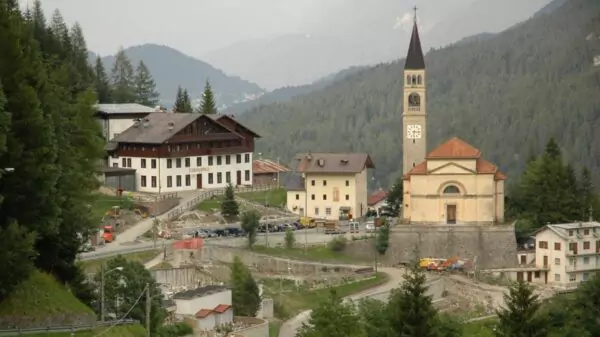















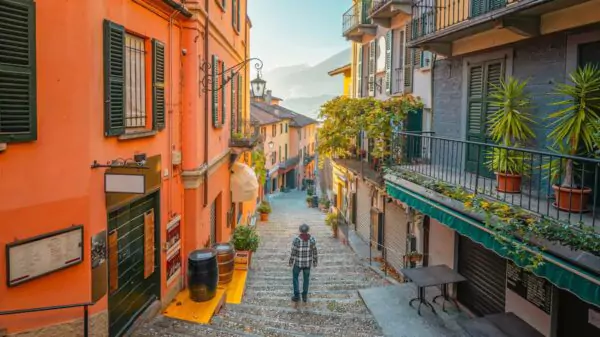

















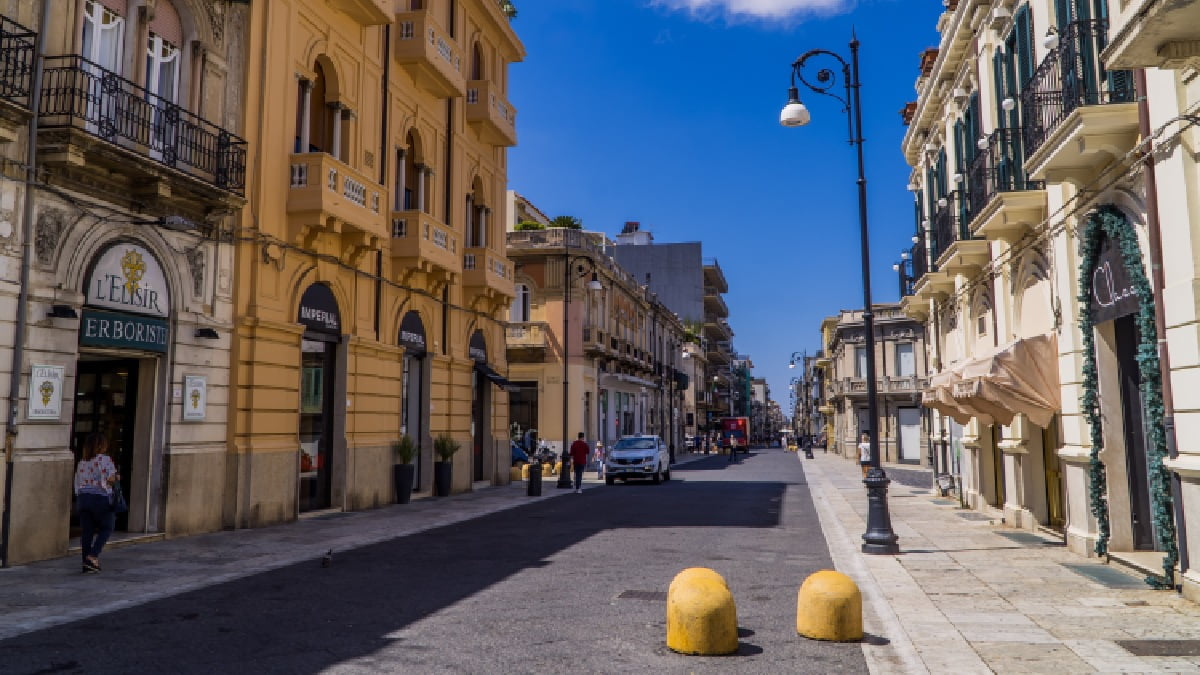
Italian villages are emptying out, and local governments have found an innovative way to reverse the trend: paying people to move there. In a bid to combat depopulation, several regions in Italy are offering attractive financial incentives to those willing to live in small communities.
According to an article by Forbes, these initiatives are part of a government effort to revitalize rural villages that are facing an exodus of their inhabitants in search of better opportunities in big cities.

Calabria: up to R$123 for those who open a business
The Calabria region, located in southern Italy, launched the project “Reddito di Residenza Attiva”, which offers up to 20 thousand euros (approximately R$ 123 thousand) to anyone willing to move to mountain towns with less than 3.000 inhabitants.
“Applicants must transfer their residence to the community and open a business,” the program explains. In addition, remote workers who wish to live in local villages can also qualify for a €6 ($XNUMX) subsidy.
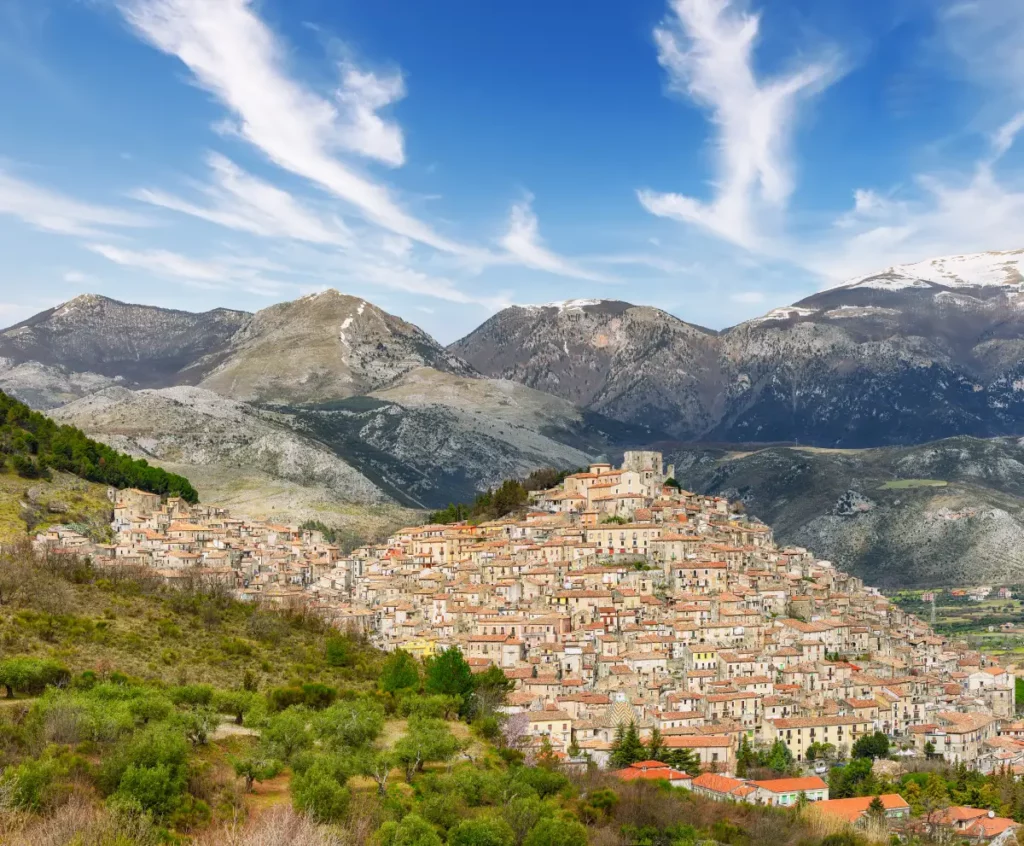
Sardinia: financial aid for purchasing property
On the island of Sardinia, the offer is aimed at those who wish to purchase or renovate properties. “Sardinia offers non-refundable subsidies to those who decide to buy or renovate a house in villages with fewer than 3.000 inhabitants,” the official note says. Beneficiaries must commit to registering their residence in the region within 18 months of the purchase.
Emilia-Romagna: up to R$185 for young professionals
In Emilia-Romagna, young people under 40 have the chance to receive up to 30 euros (R$185) as an incentive to settle in small towns in the region.
The goal is to attract families and qualified professionals to areas that are suffering from low population density. “The amount of the subsidy depends on family income,” says the Forbes.
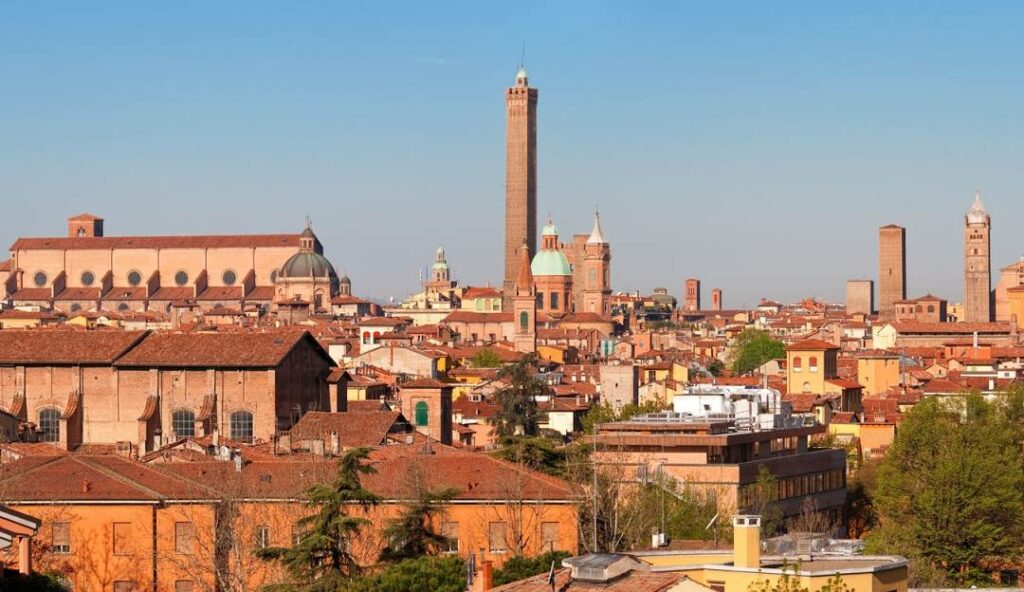
Abruzzo: financial support for those who commit to the long term
The central Abruzzo region has also joined the repopulation movement, offering 2,5 euros (R$15) a year to families who move to mountain villages with fewer than 3.000 inhabitants.
“At least one family member must transfer their residence to the community and live there for at least five years,” the Forbes.
Veneto: subsidies for purchasing and renting property
in the village of Recoaro Terme, located in the province of Vicenza, in Veneto, the incentives include 20 thousand euros (R$ 123 thousand) for those who acquire or renovate a property and 200 euros (R$ 1,3 thousand) per month to help with rent. As in the other regions, those interested must transfer their residence to the village.
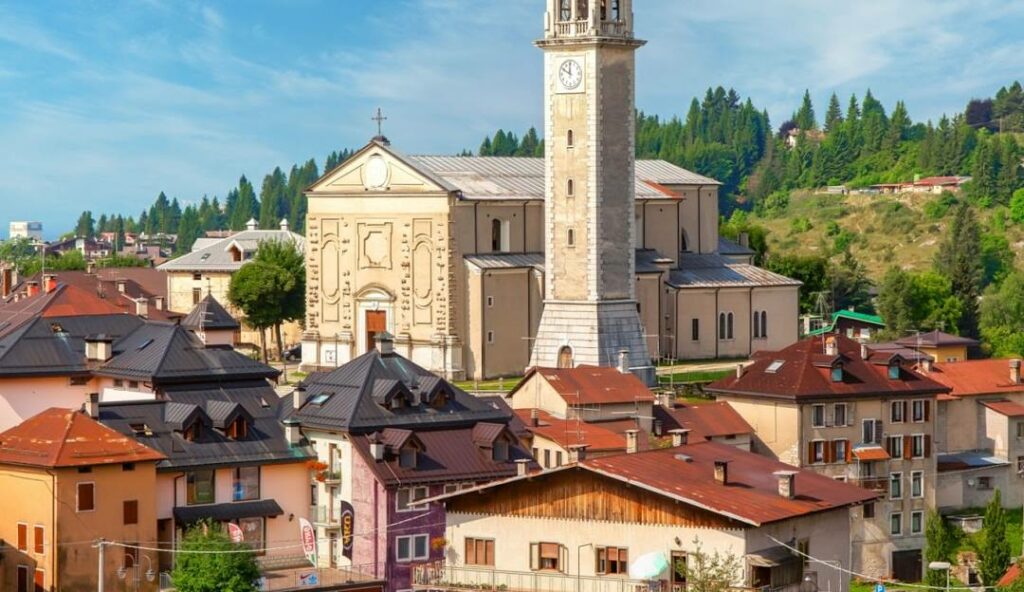
With these initiatives, Italy hopes to revitalize its small communities and, at the same time, attract new talent and families to a more peaceful and authentic life in the countryside. (Photo: Depositphotos)