














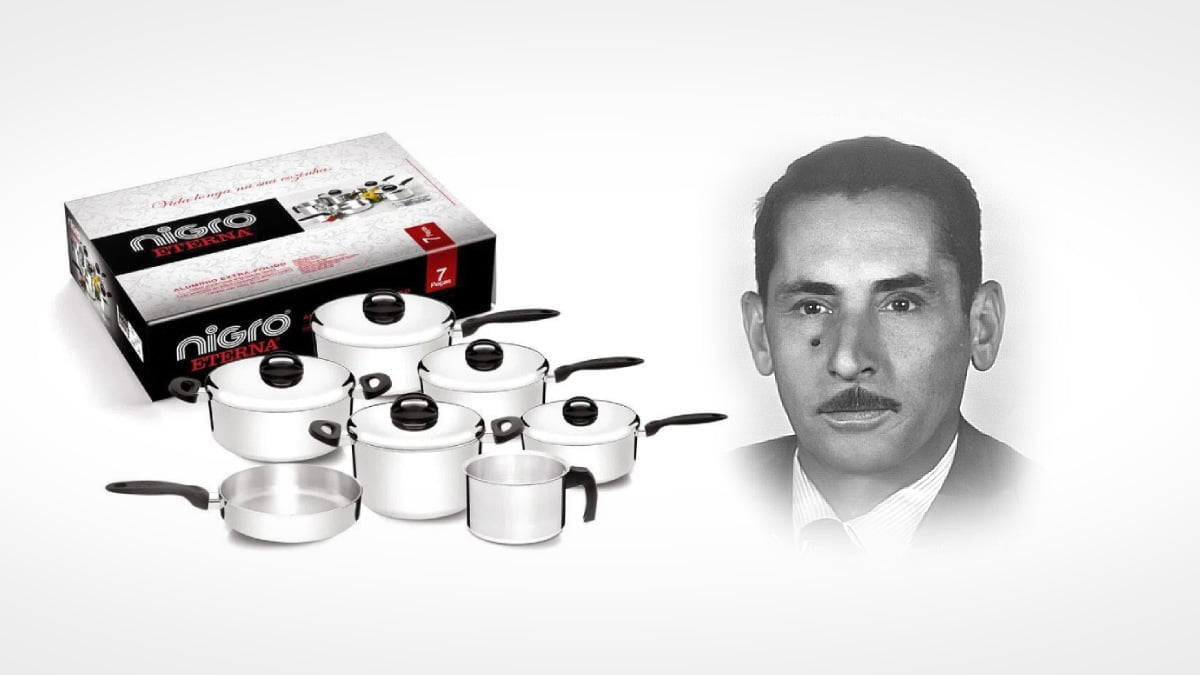
The Italian-Brazilian Arcângelo Nigro In 1943, he founded Indústria Nigro in the interior of São Paulo. The company became the largest in its segment in Brazil.
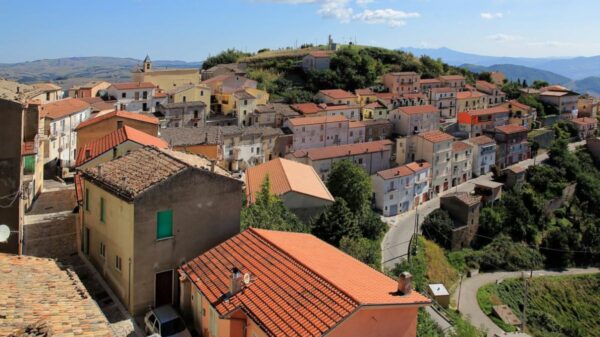
The story begins in Viggiano, a small Italian town in the province of Potenza, in the Basilicata region, where the family patriarch, Joseph Nigro, had children Francisco Antonio, Vicente and Nicola.
In the great wave of Italian immigration to Brazil, in search of better living conditions, day, Nicola Nigro and family arrived in the country in 1896.
In Brazil, Nicola went to live in Bocaina, in the interior of São Paulo, where he met the also Italian Beatrice Di Rienzo, born in Caserta, in the region of Countryside, whom he married on October 12, 1901.

The Supreme Court reaffirmed: citizenship is born with the person.
- New legal front opened
- Processes can still be filed.
- Individual assessment before any decision.
In a nearby town, São Domingos, in partnership with two brothers, Nicola had a grocery store. dry and wet. It was at this time that their first two children were born: Vicente, on July 19, 1902, and Arcângelo, on March 11, 1904. The couple's third son, Antonio, was born in PederneirasIn 1908.
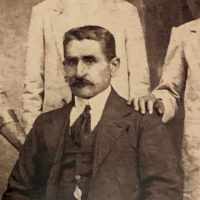
Vocation of Arcângelo Nigro
From a very young age, Arcângelo already demonstrated a vocation for business. Around the age of seven, he earned some money by carrying luggage for city travelers. train station to the hotel that his father acquired in Bariri, where he went after dissolving the warehouse partnership with his brothers.
Nicola owned this hotel for a few years, until he saved money to return with his family to Italy, where he had business with a mill, in Caserta. However, due to the shortage of wheat and the European crisis on the eve of 1nd World War, returned to Brazil, again to Bariri, where he purchased a farm. He left in Italy with his parents, his pregnant wife and his sons Vicente and Arcângelo.
Living with his grandparents, herding the family's flock of sheep and childhood scenarios of their parents would be remarkable for the boys. As soon as he managed to save money, Nicola sent for the family to the Europe, now with Paschoal born in Italy. The couple also had another son born in Brazil: Roque.
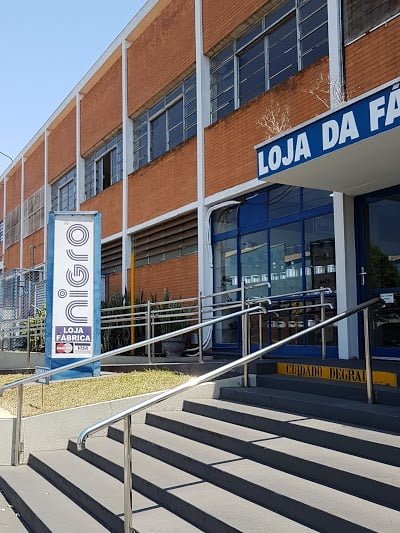
Blacksmith skill
Back in Brazil, the family sold the farm to rent the dairy production from a farm near Itapuí, where they moved. At the time, the eldest son, Vicente, began learning the trade of tinsmith. Soon his father opened a body shop in Pedro Alexandrino, a nearby location, and began producing coffee roasters, teapots, coffee makers, watering cans and other utensils. Shortly afterwards, he transferred the company to Itápolis.
In Itápolis, Arcângelo began to learn the profession of ferreiro and making cart rims, plow parts and even agricultural implements. As soon as he consolidated some income, he proposed marriage to his girlfriend, Maria Cavichioli, and the two got married on July 12, 1924, he was 20 years old, she was 19 years old, going to live in Borborem, but they soon returned to Itápolis, now with a son: Francisco Humberto.
Without abandoning his profession, Arcângelo set up a gas station in Itápolis and then, in 1932, became a Ford dealer for the region. However, with the 2nd World War and fuel rationing, the closure of gas stations and resale Ford were inevitable.

Arcângelo Nigro in Araraquara
With difficult times, Arcângelo was already determined to move to Londrina, in Paraná, where he would try to have better luck in business. But at the last minute, he learned that the Araraquara City Hall was selling 300 tons of scrap metal.
Thus, at the beginning of the 1940s, Arcângelo Nigro, now with four children, Francisco, Pedro, Hugo and Beatriz, moved to Araraquara, just 86 kilometers from Itápolis, where he decided to use the large quantity of metals he acquired to manufacture utensílios domesticos.
In the beginning, he made utensils by reusing oil cans, tomato paste cans, among other packaging. With the cut cans, Arcângelo produced mugs and welded the handles. Over time, the production of watering cans and buckets came.
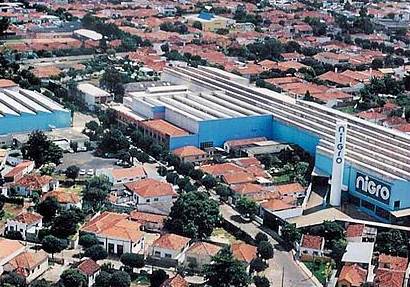
The factory is born
With the help of his children, he installed a workshop in 1943, where he remained for a few years, until transferring to a bigger place and effectively start the production of aluminum and copper artifacts.
The patriarch Nicola Nigro died in February 1946, aged 78, in Araraquara, still in time to witness the ability to fruit generation of his family through the entrepreneurial strength of his children and grandchildren.
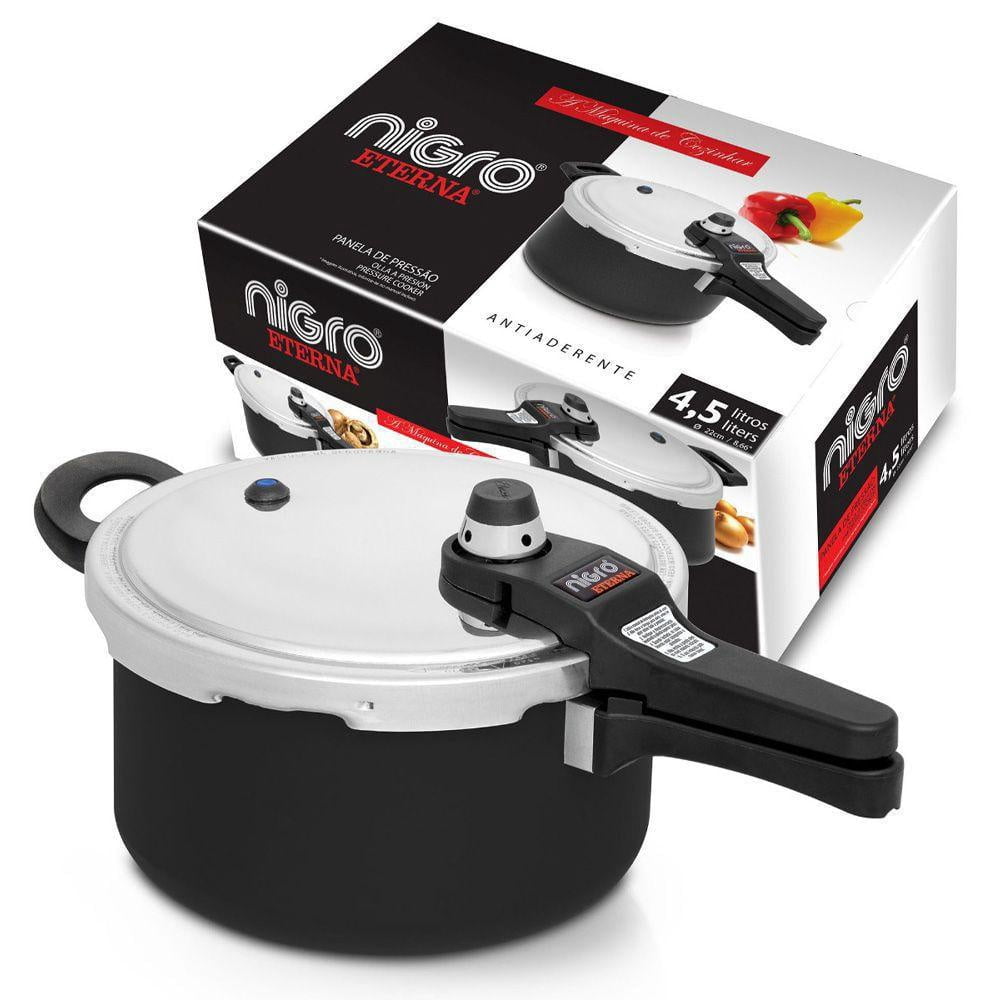
At the beginning of the 1950s, Arcângelo Nigro left for factory expansion, with the development of technology that enabled the production of the Pressure Cooker Eterna, which became the flagship of the production line.
Help from children
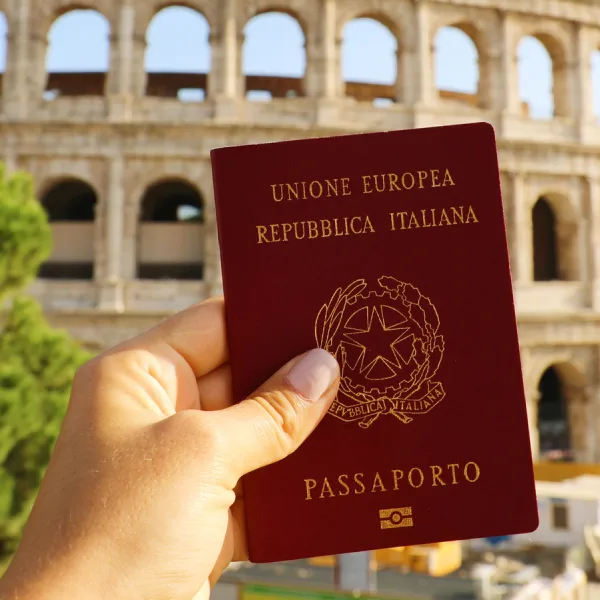
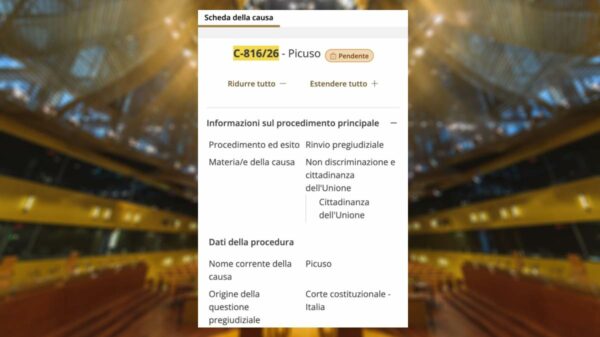
The Constitutional Court's decision changed the landscape. The new citizenship law will now be reviewed by the European Union's courts of justice.
In 1956, with his children as partners, the company was renamed Arcângelo Nigro e Filhos Ltda. Large investments began to appear, production expanded along with the first exports, Nigro gained international recognition and strengthened its structure, consolidating itself in the market.
From 1988 onwards, the company began to be managed by shareholders, becoming Nigro Alumínio Ltda.
In 1958, Nigro's current headquarters, together with the modern factory, began to be built, on land acquired in the early 1950s by Arcângelo Nigro. The location included a space for family and employees, called “paradiso dopo il lavoro”, or paradise after work.
The place had a bocce court, built under jabuticab trees, tables for playing cards and swings for children. Furthermore, it had an orchard full of orange trees, tangerine trees, watermelons, pumpkins and cassava and even a rice plantation. The entire harvest was shared by the patron with family members and employees.
Legacy of Arcângelo Nigro
Today, with almost 80 years of history, Nigro Alumínio Ltda remains in the family and remains leader in its segment in the Brazilian industry, selling more than 600 itens for Brazil and several countries.
Arcângelo Nigro got involved with the city of Araraquara, helping to community in many ways. He was president of Youth Home for 20 years, helping to care for 200 minors assisted by the charity, he helped build the Casa do Cursilho de Cristandade, the House of Emmaus, and helped with the construction of the Our Lady of Grace Church, for example.
In parallel to the success of this industry founded by Italians in Brazil and around the world, the way in which Nigro's children, grandchildren and the entire family got involved in Araraquara community is an example not only of the strength of work for a country, but of what the ties of friendship and love can do for a city and a region.